






- Starbucks CEO Brian Niccol is permitted to commute between his home in Newport Beach, California and Starbucks’ Seattle headquarters using a company-owned private jet, as confirmed by corporate filings and media reports.
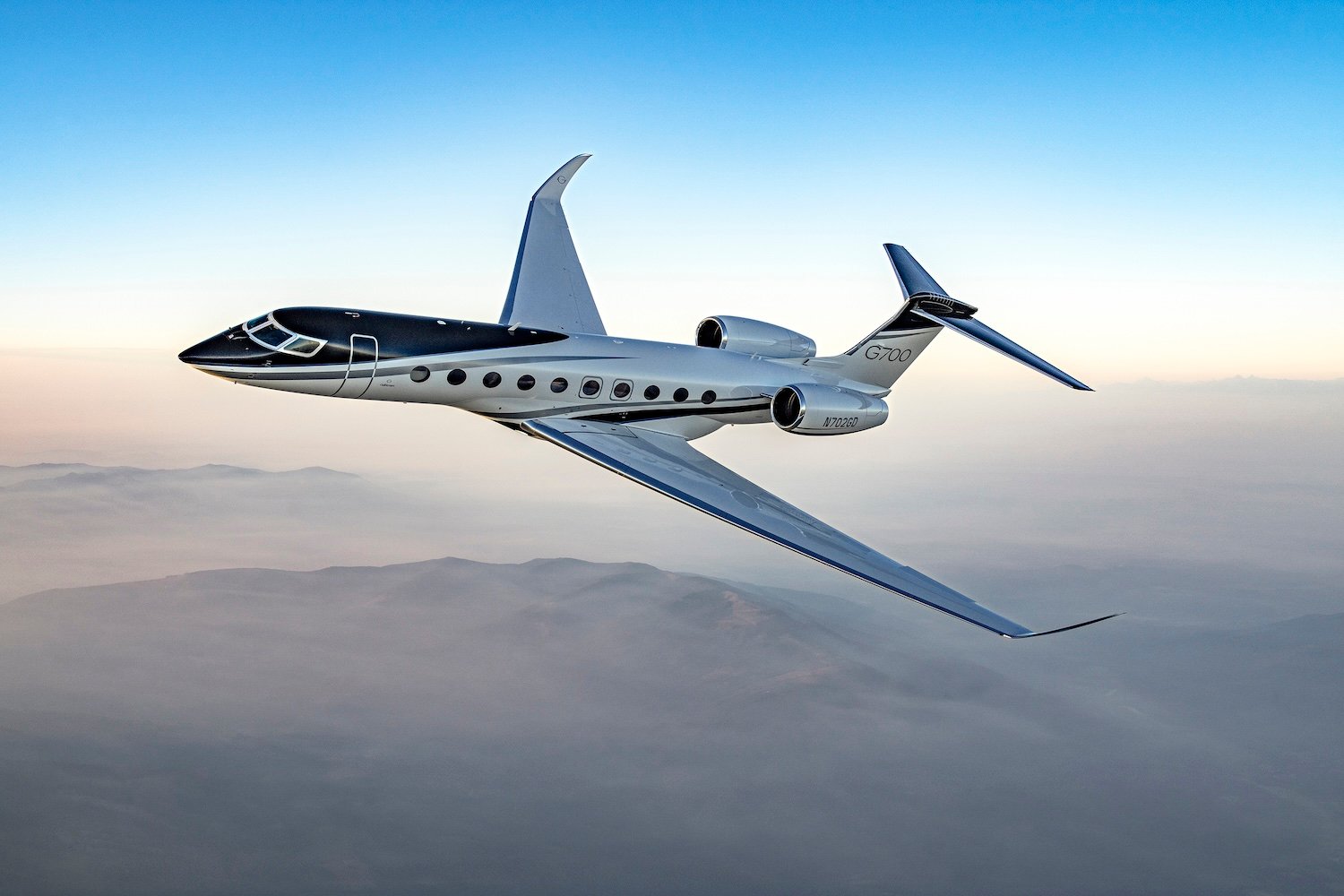
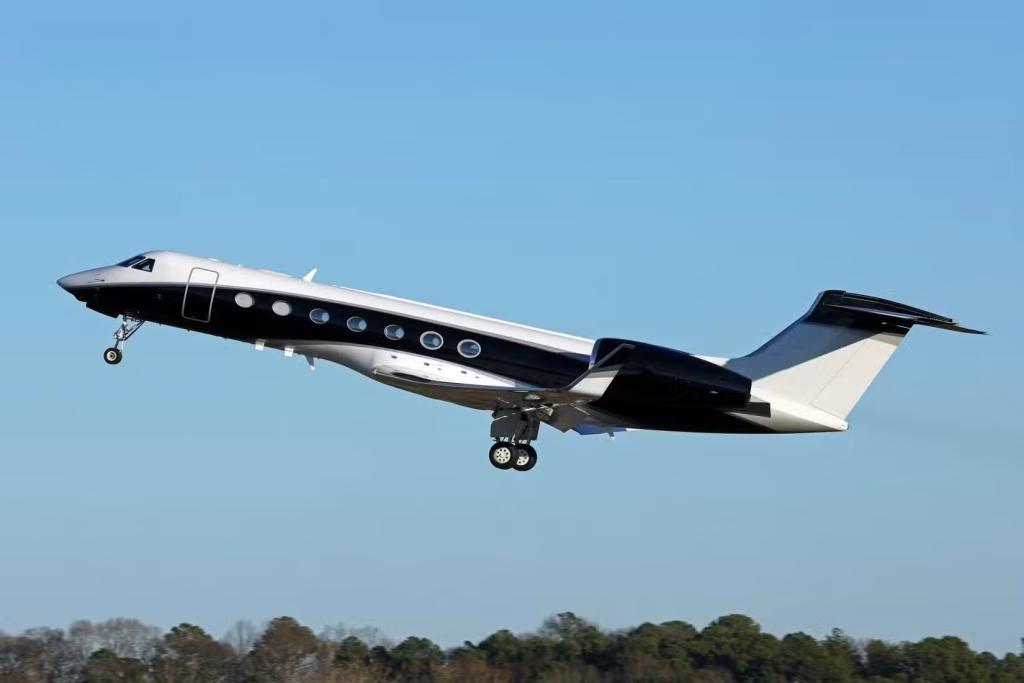
- Starbucks owns Gulfstream G550 corporate jets through a subsidiary, and one of these aircraft is reportedly used for Niccol’s travel under a hybrid work arrangement that does not require immediate relocation.
- The decision has triggered public and environmental backlash, with critics arguing that private jet commuting conflicts with Starbucks’ sustainability messaging due to the high carbon footprint of private aviation.
Starbucks CEO and the Private Jet
Starbucks’ new Chief Executive Officer, Brian Niccol, has drawn significant public attention not because of coffee strategy or sales figures but due to how he travels to work. Reports confirm that Starbucks is allowing Niccol to commute between his home in Newport Beach, California and the company’s headquarters in Seattle using a private jet owned by the company.
This arrangement, unusual for a corporate commute, has sparked debate about executive perks, corporate responsibility, and environmental consistency, especially given Starbucks’ public sustainability commitments.
The Private Jet Commuting Arrangement
When Starbucks hired Brian Niccol in 2024, the company reportedly did not require him to relocate immediately to Seattle its main headquarters. Instead, his employment agreement permits him to maintain a residence in California and commute regularly to Seattle on a corporate jet. Starbucks also offered him a remote office near his home and related support services.
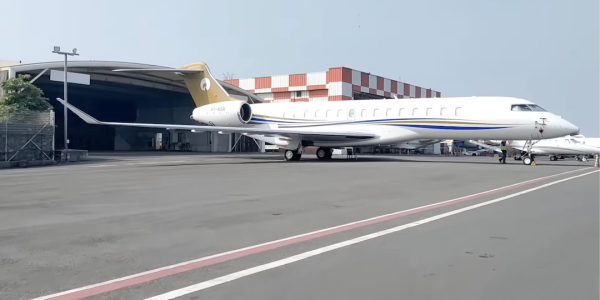
According to filings and media reports, Starbucks owns at least two corporate jets (Gulfstream G550s) through a subsidiary. One of these aircraft is likely to be used for Niccol’s commuteN.
iccol is expected to spend a significant portion of his working week in Seattle under the company’s hybrid work policy while sometimes using the jet for business travel beyond just commuting.
Environmental Concerns and Public Backlash
The arrangement immediately drew criticism from environmental advocates, customers, and online commentators. Critics argue the jet commute clashes with Starbucks’ sustainability messaging and goals.
Private jet travel has a disproportionately high carbon footprint compared to commercial aviation. According to environmental data, a typical private jet can emit around 2.5 kilograms of CO₂ per kilometre flown. A round trip between Southern California and Seattle roughly 3,200 kilometres might generate approximately 8,000 kilograms (8 metric tons) of CO₂ per journey. Over weeks and months, this adds up to a significant carbon footprint.
Many critics have highlighted the perceived contradiction between Starbucks’ environmental initiatives — such as reducing waste and promoting sustainable packaging — and the optics of daily executive flights. Online discussions and social media posts have described the situation as hypocritical and misaligned with sustainability commitments.
Environmental advocacy groups like Greenpeace and others have used the issue to underscore broader concerns about the impact of private aviation and corporate environmental accountability.
Starbucks’ Response and Corporate Rationale
Starbucks has defended its decision by emphasizing operational needs and executive responsibilities. According to company statements, Niccol’s role requires frequent travel, on-site leadership, and engagement with teams across markets conditions the company says justify the use of corporate aircraft for security, productivity, and reliability.
The company also reportedly places limits on how much jet travel may be used for personal versus business purposes, tying it to cost thresholds and oversight.
Broader Context: CEO Travel Perks and Corporate Culture
Niccol’s situation is part of a broader trend in corporate America where executives use private jets for business and commuting. Many large companies view private aviation as a tool for efficiency and executive safety.
However, the Starbucks case stands out because of the company’s public environmental branding and its emphasis on sustainability in marketing and corporate goals. This contrast has amplified public scrutiny.
Conclusion
Starbucks permitting CEO Brian Niccol to commute on a corporate jet is confirmed by multiple credible reports. While the company frames the arrangement as a business necessity, environmental advocates and customers view it as misaligned with Starbucks’ sustainability messaging. The episode highlights the tension that can arise when corporate perks intersect with public expectations on climate responsibility.