







- A new U.S. executive order lifts the 1973 ban on overland supersonic flights, paving the way for civilian supersonic jets.
- Companies like Boom Supersonic, Spike Aerospace, and NASA/Lockheed’s X-59 lead the race, with airlines such as United and JAL already placing orders.
- Noise, emissions, and economics remain the biggest hurdles, but quieter designs and sustainable fuel advances could make supersonic travel viable again.
“Aviation is proof that given the will, we have the capacity to achieve the impossible.” — Eddie Rickenbacker.
That thought, once symbolised by the aviation legend that was the Concorde, is in the limelight once more, as aerospace companies and regulators seek to revive supersonic passenger flight.
Once thought to be confined to the annals of aviation history, supersonic transport (SST) is now itching for a relaunch, hoping to defy technological challenges and aching to soar into potentially new skies in commercial aviation.
Concorde’s Legacy and Its Limits
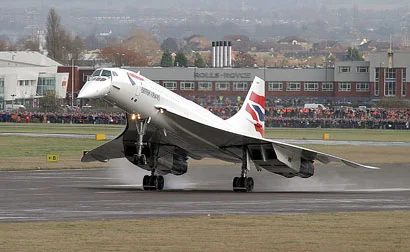
With a slender delta-wing silhouette—and an astounding speed of Mach 2, twice the speed of sound—the Concorde reduced transatlantic travel times to just over three hours, capturing the world’s imagination. But this aviation legend was not without its share of troubles.
Travelling on this technological marvel was the ultimate symbol of luxury. The insane ticket prices, more often than not four to five times the cost of conventional business class, restricted travel by the Concorde to an exclusive clientele.
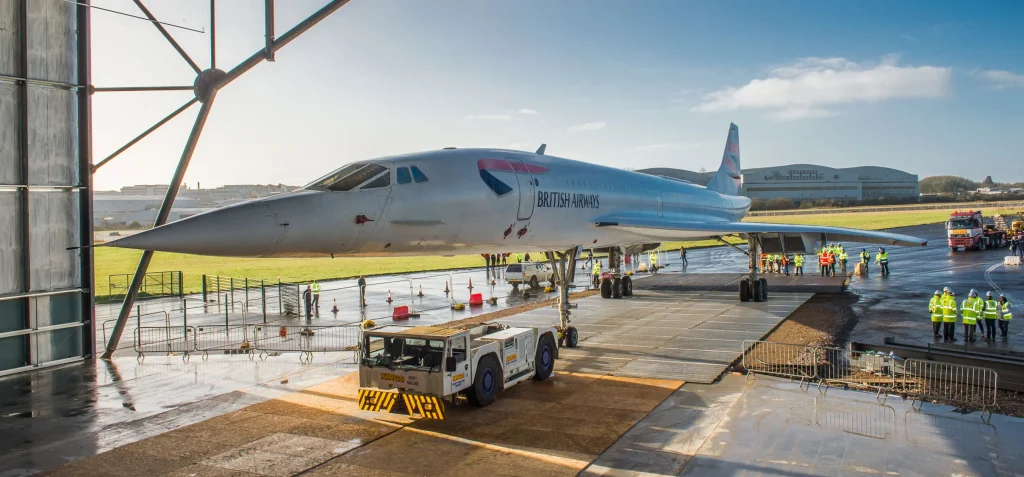
Another major drawback was noise. After an American government regulation introduced in 1973 prohibited supersonic passenger flights over land, the operations of the Concorde were largely restricted to oceanic routes. The aircraft’s thunderous sonic boom meant that its wings were clipped and it was restricted to routes such as London–New York and Paris–Washington.
Thus, in spite of its cutting-edge technology and breathtaking speed, the Concorde was never commercially viable. After a crash near Paris in 2000, and amid rising fuel prices and increasing maintenance costs, the Concorde was retired in 2003, thus closing a memorable chapter in civil aviation.
However, a new generation of aircraft developers believes these challenges to supersonic civilian travel can be surmounted. They are propelled by advances in computational aerodynamics, lighter composite materials, and digital flight controls, which makes supersonic travel more fuel efficient and far less noisy.
The Anglo-French Concorde was essentially a government prestige project, and the erstwhile USSR even operated a Soviet supersonic passenger aircraft in the form of the Tu-144. Contemporary efforts are motivated by the private sector startups supported by venture capital, airline interest, and most essentially, renewed political backing.
Washington Clears the Runway
The latest political push came on June 6, 2025, when US President Donald Trump signed an executive order called “Leading the World in Supersonic Flight”. The order essentially directed the American Federal Aviation Administration (FAA) to eliminate the long-standing 1973 embargo on supersonic overland flights (14 CFR 91.817) within 180 days. The FAA has now been given the task of creating new certification standards that emphasise noise thresholds as opposed to outright bans.
This shift in policy has far reaching consequences. The 1973 ban on supersonic civilian overland flights essentially closed the American skies to civil aircraft flying faster than sound and thus killed off innovation in the field.
Industry players are lauding Trump’s executive order, as it relays a regulatory framework and effectively tells innovators that if they can demonstrate that their aircraft is quiet and safe enough, it can fly on domestic American routes.
This then opens up the vast skies and thus the vast markets of the continental United States to civilian supersonic aircraft. No wonder some industry players are calling it one of the most significant regulatory breakthroughs since the start of the jet age.
Trump framed the order in blatantly nationalistic terms: “America once led the world in supersonic aviation, but decades of stifling regulations grounded progress.” The timing could not be more decisive, as aerospace companies prepare to scale from prototypes to passenger-ready jets.
Who’s Building the Concorde’s Successor?
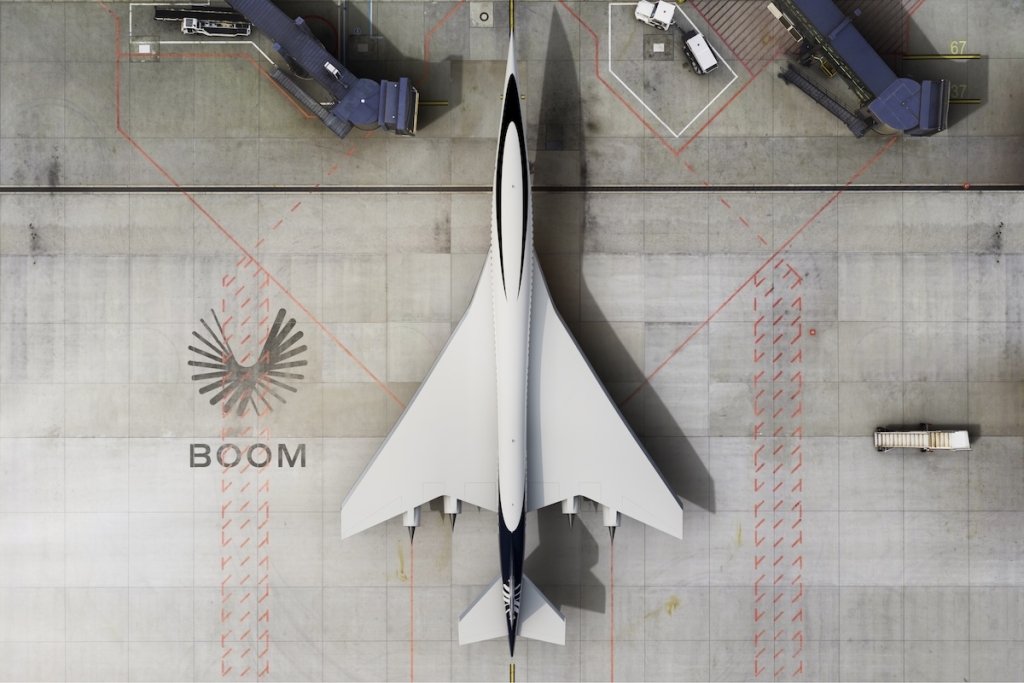
There are several ambitious projects set to change the course of future travel, and none more so than Boom Supersonic.
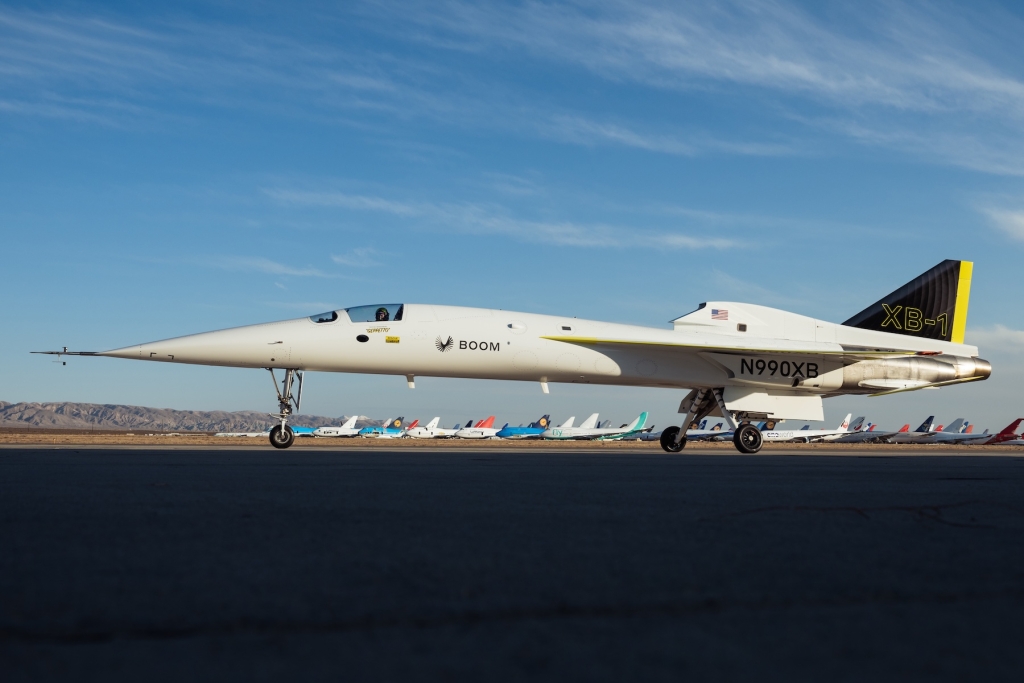
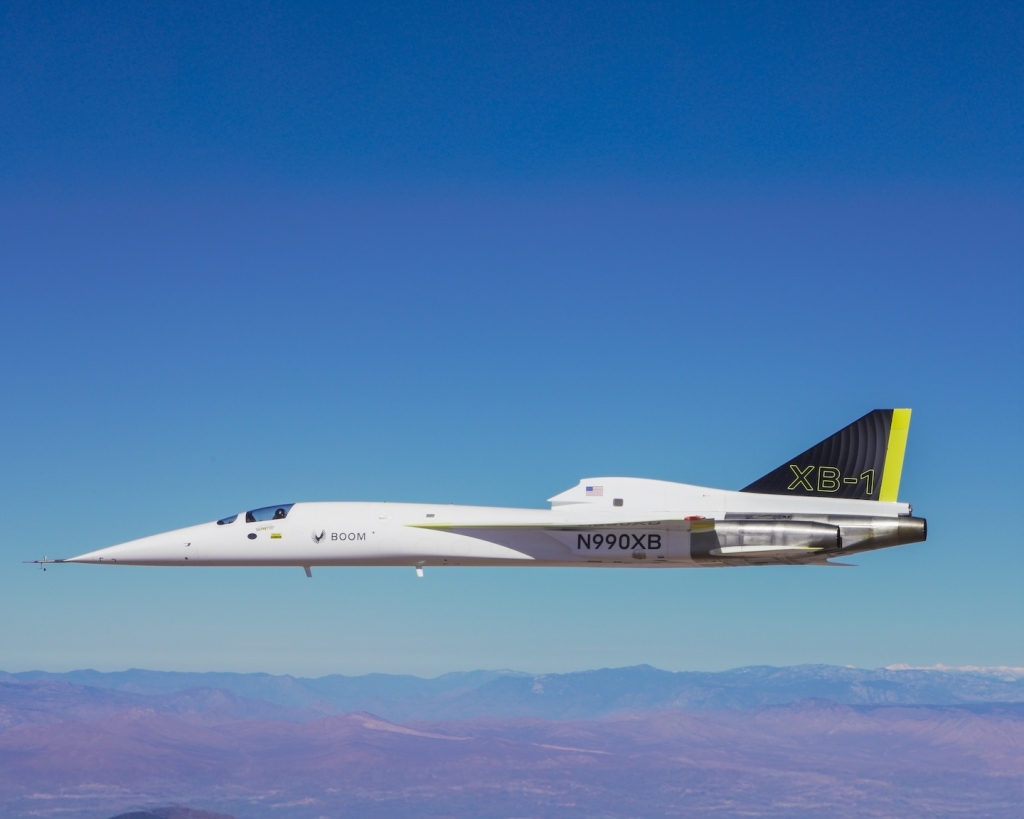
The Colorado-based company’s one-third scale demonstrator, the XB-1, successfully broke the sound barrier in March 2025, thereby becoming the first independently developed civil jet to do so.
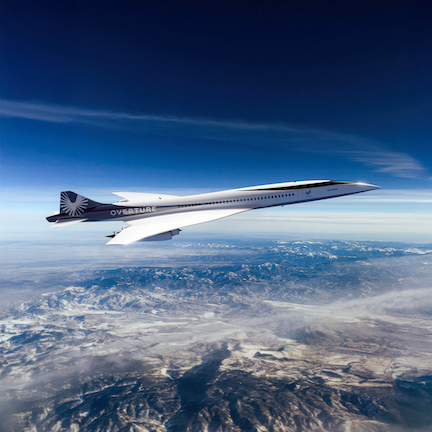
They’ve also designed their flagship, the Overture, to carry 64–80 passengers at Mach 1.7 with a range of 4,250 nautical miles.
Crucially, Boom Supersonic already has provisional orders from two airline companies, United Airlines and Japan Airlines, who are betting on a 2029–2030 entry into service.
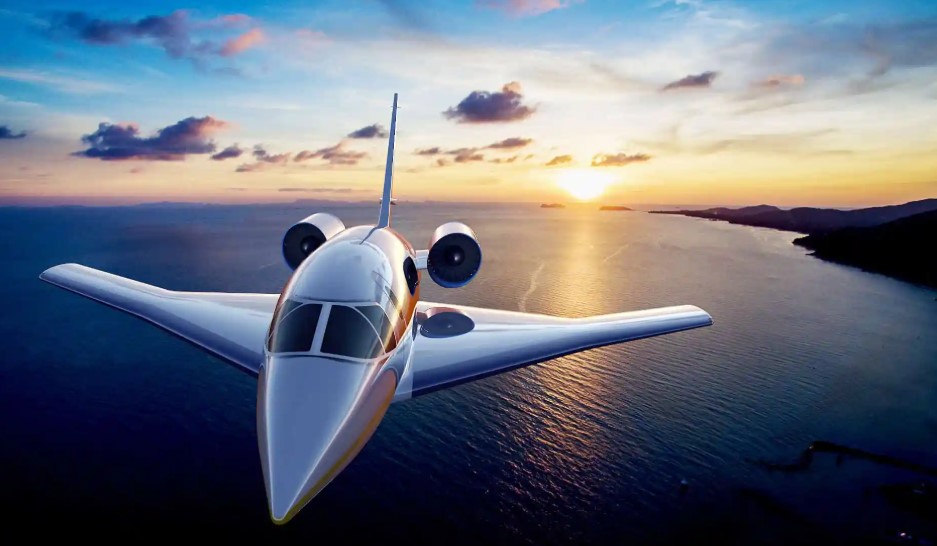
Another company, Spike Aerospace, based in Boston, is chasing a different market of high-net-worth individuals and corporate executives.
Its S-512 “Quiet Supersonic Jet” has seating for 12–18 passengers and cruises at a speed of Mach 1.6, offering not only reduced flight times but also panoramic digital cabin windows along with advanced noise suppression technology.
However, there have also been SST projects that have met with mixed fortunes.
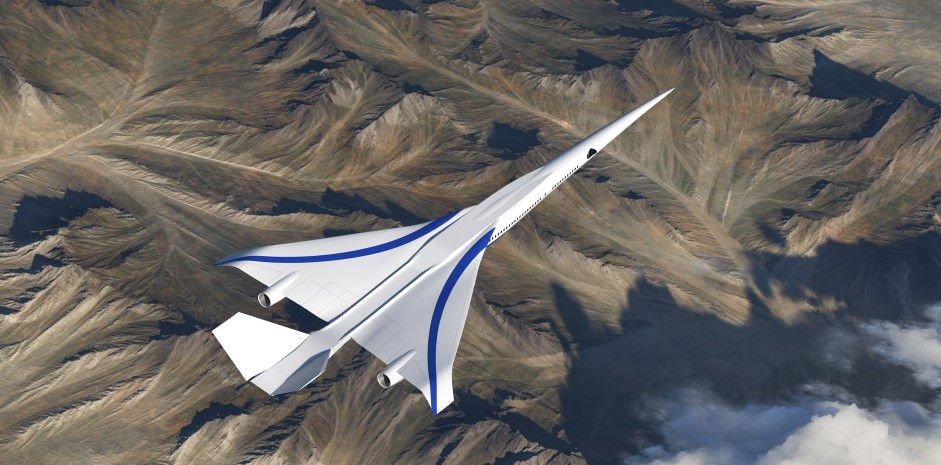
Exosonic identified a market for low-boom supersonic jets, including commercial travel routes, and pursued the development of supersonic uncrewed aerial vehicles (UAVs) for the American Department of Defense.
Its low-boom Mach 1.8 design created a muted sonic boom, which was intended to allow their supersonic aircraft to fly overland without violating noise regulations. They even signed a contract with the US Air Force to explore a supersonic Air Force One. However, financial difficulties forced it to shut down in late 2024.
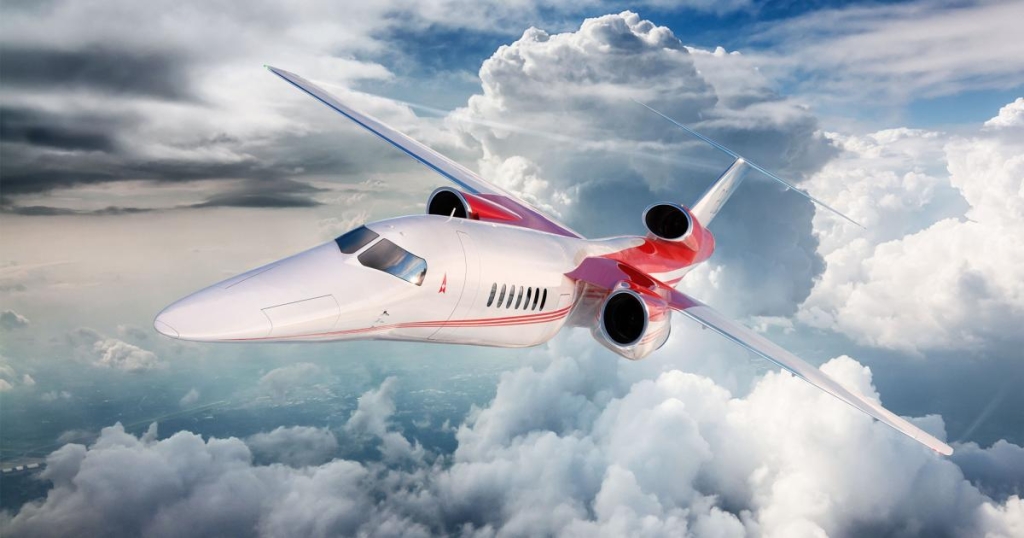
Another company that focused on a supersonic business jet for efficient and rapid travel was Aerion Supersonic, with their AS2, which was designed to cut flight times across continents.
Nevada based Aerion’s “boomless cruise” technology used a natural laminar flow wing to minimise the sonic boom, and they even partnered with major aerospace companies like Boeing and GE Aviation to develop the aircraft and its engines. However, in spite of having such aviation behemoths in its corner, it too folded in 2021, underscoring the immense capital and technical risks involved.
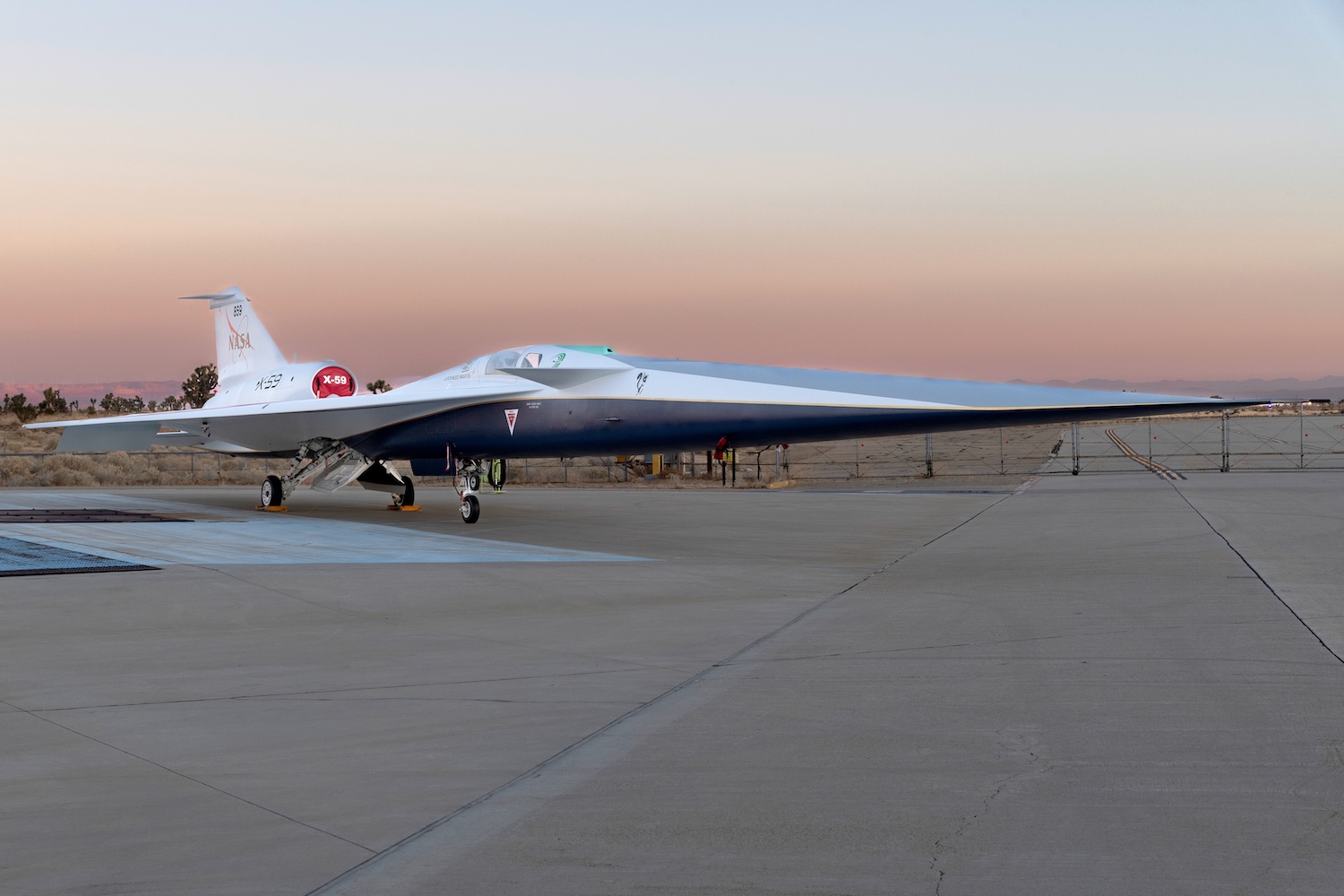
The American National Aeronautics and Space Administration (NASA) continues to play a crucial role in pushing the boundaries of supersonic passenger travel. They have partnered with Lockheed Martin to create the X-59/Quesst demonstrator, which is designed to produce a “gentle thump” instead of a disruptive sonic boom. Future flight tests planned for 2026 will collect data from communities across the US to determine acceptable noise thresholds—and these findings could form the backbone of future American Federal Aviation Administration (FAA) standards on supersonic passenger flight.
China has also jumped into the fray with the COMAC C949, a supersonic twinjet intended to have fifty percent more range than the Concorde, 11,000 km, and a business-class-configured cabin for 28-48 passengers, targeting a launch around 2049. This would be in line with Beijing’s broader ambition to become self-reliant in advanced aerospace technologies.
The Three Big Challenges
Nevertheless, in spite of the renewed momentum, major challenges exist. Foremost amongst these is noise reduction. Supersonic aircraft generate shock waves that develop into an audible boom which rattles communities on their routes and consequently also raises safety concerns. Thus, quiet-boom technology is key, and without it, airlines risk public opposition and operational restrictions.
Minimising the environmental impact of SSTs is equally important. As supersonic passenger jets consume pointedly more fuel per passenger than subsonic airliners. Critics say that even if they use sustainable aviation fuel (SAF), emissions at higher altitudes could worsen the impact on the environment. Influential environmental groups such as the International Council on Clean Transportation have warned that a large-scale supersonic revival could undermine global carbon reduction goals.
One of the most important elements will be economics, which will determine long-term viability. The Concorde failed because the business model relied only on the superrich and the wealthy elites.
Although SST companies now claim they can offer fares competitive with business class, this will depend on scaling production, reducing maintenance costs, and guaranteeing sufficient passenger demand.
Airline companies may be willing to wager on supersonics for prestige, but mass adoption will necessitate compelling economics per unit.
Pragmatic Test Flight Ahead
For the first time in more than two decades, the dream of civil supersonic flight has gained genuine momentum. Technological progress and market interest are converging, and regulatory reform has enabled the creation of this headwind.
Although intended for different users, the success of Boom’s XB-1 and Lockheed Martin/NASA’s X-59 will be a decisive litmus test, demonstrating whether quieter, more efficient supersonic aircraft can satisfy both regulators and passengers.
If the aircraft innovators can manage to resolve the Achilles heel of challenges—noise, emissions, and cost—supersonic passenger travel could once again become feasible and shrink the globe, not as a passing extravagance for the elite, but as a genuine, sustainable, and broadly accessible choice for global mobility for the near future.
Also Read: “Simply Fly-Once more”- Can Deepinder Goyal Fulfil Capt. Gopinath’s Dream?