






- In-flight entertainment systems now play a big part in how airlines are perceived by passengers.
- Increasingly these IFE systems are getting sophisticated and highly customised to cater to individual tastes.
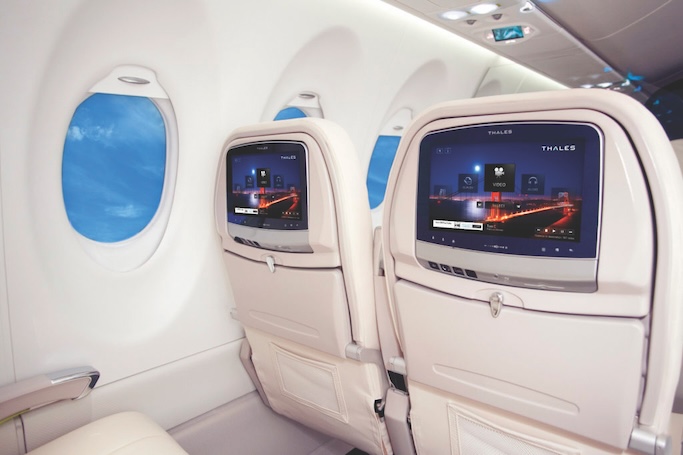
As the aircraft takes to the skies, it is the start of the journey for the passengers, but for the airlines, it is just the beginning. The start to not just taking passengers from point A to point B, but making sure that it is a memorable journey. This is where Artificial Intelligence (AI) comes to the forefront, set to revolutionise in-flight entertainment (IFE) with personalised content that caters to individual tastes and preferences.
Imagine a future where in-flight personalisation anticipates your every need — A system that can even analyse your facial expressions to determine your level of engagement and adjust the content accordingly. AI can even consider the passenger’s emotional state. For instance, if the flight is experiencing turbulence, the system might suggest calming music or nature documentaries to alleviate anxiety. In 2024, Thales announced “FlytEdge” – the world’s first cloud-based IFE system that makes “intelligent” recommendations.
This is the promise of emerging AI technologies like generative AI, augmented reality (AR), and biometric integration. Generative AI, with advances like those seen at OpenAI, could curate bespoke content for each flight, offering personalised travel guides or dynamically generated music playlists. Augmented reality (AR) could transform the cabin into an interactive space, offering virtual tours of destinations or engaging games, a market PwC predicts could reach $3 billion by 2027.
Further, by 2031, the global market for AI in aviation is estimated to reach $ 23 billion, a significant increase from its 2022 valuation of $728.05 million. Generic movie selections and limited music choices are becoming a thing of the past. Personalisation is now a key consumer expectation, especially in travel. A 2023 SITA report found that 81 per cent of passengers value tailored experiences, and 70 per cent expect personalised in-flight entertainment. This demand renders traditional, one-size-fits-all IFE systems obsolete. AI empowers airlines to collect and analyse vast amounts of data—passenger behaviour, demographics, travel history, and real-time in-flight interactions—to deliver customised content. For example, a business traveller might receive productivity tools and industry news, while a family with children could be offered kid-friendly movies and games.
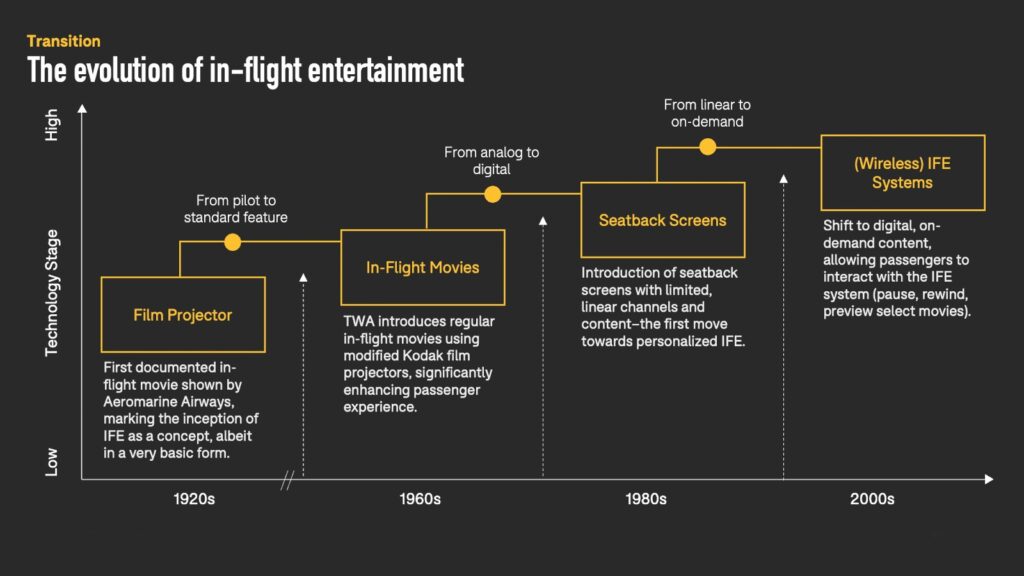
For this, personalised in-flight content relies on sophisticated AI technologies, primarily machine learning (ML), natural language processing (NLP), and predictive analytics. ML models analyse passenger data to identify patterns and preferences; for instance, Delta Air Lines reported a 20 per cent increase in customer satisfaction in 2022 after implementing ML-powered recommendations. NLP enables AI systems to understand and respond to passenger queries using natural language, as demonstrated by Emirates Airlines’ 2023 introduction of NLP-based voice search, which led to a 35 per cent increase in content engagement. Predictive analytics further enhances personalisation by anticipating passenger needs and preferences based on historical and real-time data, ensuring relevant recommendations. This data processing is facilitated by robust connectivity solutions in modern aircraft like the Airbus A350, enabling seamless data processing in the cloud or on edge devices for real-time personalisation, even at 35,000 feet.
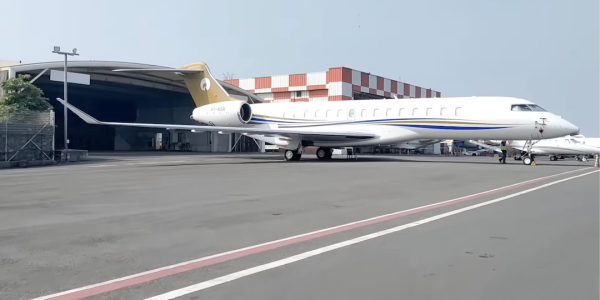
Recognising that the growing demand for bandwidth, fuelled by 4K and 8K content, is causing strain on the VIP aircraft market, Astronics Custom Control Concepts (CCC) has developed a range of solutions. These ultra-high-definition formats put a heavy strain on existing IFE systems, requiring significantly greater bandwidth in order to stream seamlessly. To that end, CCC is designing systems with at least 300 gigabits per second (Gbps) of bandwidth capacity, a significant upgrade from what we have now. The planning lays the groundwork for VIP aircraft to be ready to support future in-flight entertainment (IFE) systems that require high-definition streaming, even 4K streaming content, virtual reality, and other applications that require heavy bandwidth consumption. This upgraded infrastructure allows CCC to future-proof VIP aircraft and elevate the entertainment experience on board to a higher level.
The rollout of 5G in India will enable faster content delivery and smoother streaming services. With domestic air passenger traffic rebounding post-pandemic and international travel gaining momentum, the demand for superior onboard experiences is at an all-time high. A 2023 survey by Statista revealed that 70 per cent of Indian travellers value entertainment options during flights, emphasising the growing importance of IFE systems.
India is projected to become the third-largest aviation market by 2025, driven by economic growth, increasing disposable incomes, and a growing middle class. The Directorate General of Civil Aviation (DGCA) reported that domestic air traffic in India surpassed 123 million passengers in 2023, reflecting a strong post-pandemic recovery. International travel has also seen significant growth, with Indian airlines expanding their global routes. Amidst this expansion, delivering exceptional passenger experiences has become a top priority for airlines.
A 2023 survey by CAPA India revealed that 80 per cent of Indian travellers consider personalised services a key factor when choosing an airline. With the widespread adoption of OTT platforms, gaming, and digital content, passengers expect a seamless, on-demand entertainment experience during their journeys.
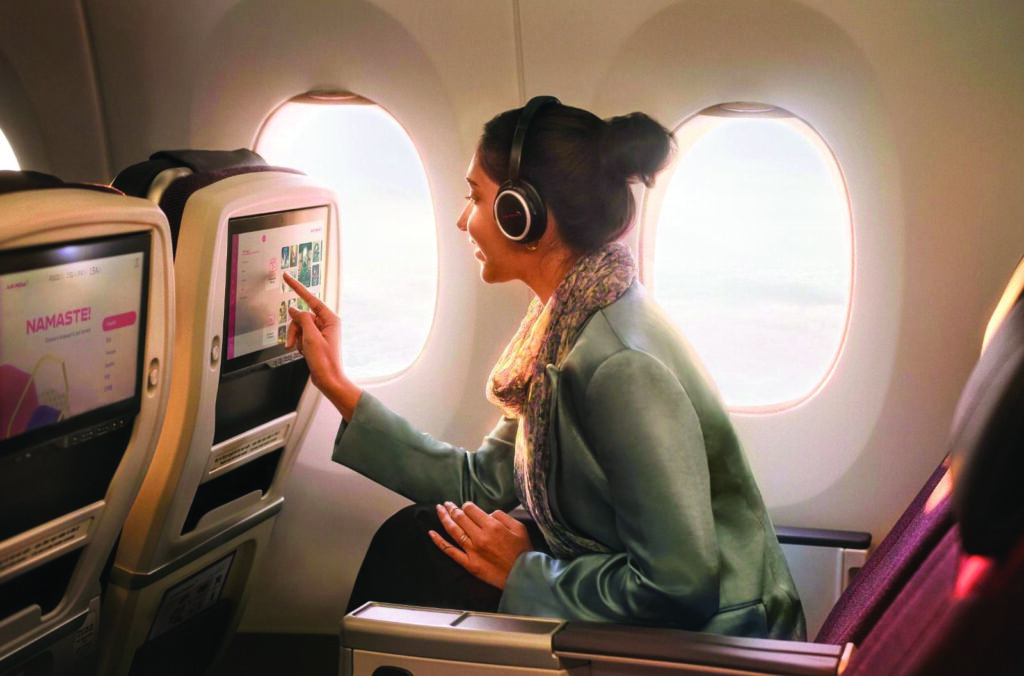
According to Amadeus’ Travel Trends Report 2025, personalised travel experiences should start long before a passenger steps foot in an airport or boards a flight. When it comes to the flight itself, technology is starting to deliver a truly tailored trip. “There’s been a lot of conversation in the press around “rawdogging” (choosing to fly without entertainment, food, drink or going to the toilet) but for most people that will sound like torture. In 2025, the future of in-flight entertainment (IFE) will lie in creating a highly personalised, connected, and immersive experience for passengers. With advancements in AI, Wi-Fi and 5G, and virtual reality, airlines are poised to offer a more engaging and enriching journey,” the report states.
Personalised content is elevating the in-flight journey in several ways. Tailored entertainment, with recommendations based on past choices, current trends, and even destination, has proven effective, with Singapore Airlines reporting a 25 per cent increase in IFE usage in 2023 after implementing such a system. Recognising the stresses of air travel, airlines are also introducing personalised wellness programmes, offering guided meditations, sleep aids, and hydration reminders tailored to individual needs, aligning with IATA findings that 68 per cent of passengers prioritise wellness services. AI-powered targeted advertising, offering relevant deals like hotel bookings and car rentals, also enhances the overall travel experience, contributing to a 15 per cent increase in ancillary revenue for airlines like Lufthansa. Interactive features, such as personalised interfaces with chatbots or virtual assistants, provide effortless access to content and flight information. Finally, AI ensures language and cultural adaptation, making international passengers feel more comfortable; Air India’s AI-powered IFE now supports 12 regional languages, significantly boosting passenger satisfaction.
Panasonic Avionics Corporation has observed a shift in passenger expectations brought on by the global pandemic. According to the company, the pandemic reshaped how passengers think about connectivity and multitasking. As people adapted to remote work, they became accustomed to using multiple devices and screens simultaneously. This behaviour has naturally transitioned to their expectations during air travel. In response, airlines have faced growing pressure to adopt multi-purpose screen solutions capable of delivering dynamic and flexible entertainment options. This shift underscores the need for innovation in in-flight systems, aligning with evolving consumer habits and technological advancements.
The promise of AI-driven personalised in-flight content is tempered by several important challenges that airlines must overcome. Chief among these is data privacy and security.Responsible data collection and usage are essential, demanding robust data protection frameworks and strict adherence to global regulations like GDPR and CCPA. This is a significant concern for passengers, with a 2023 Deloitte survey revealing that 62 per cent express anxieties about data privacy. Another key challenge is in-flight connectivity. While connectivity is improving, reliable high-speed internet remains crucial for delivering real-time personalisation. This demand for better connectivity is reflected in Viasat’s reported 40 per cent year-over-year increase in demand for high-bandwidth solutions in 2023.
Another crucial consideration is algorithmic bias. Because AI algorithms learn from the data they are trained on, any existing biases within that data can be perpetuated or even amplified in the recommendations generated by the system.
Implementing these advanced systems also carries significant cost implications, requiring substantial investment in hardware, software, and staff training, forcing airlines to carefully consider the return on investment. Finally, the technical integration of AI solutions with existing IFE systems and aircraft infrastructure presents a complex undertaking, requiring close collaboration between technology providers, airlines, and regulatory bodies.
Despite challenges, the future of personalised in-flight entertainment shines brightly, even with the existing challenges and the rapid pace of technological advancements suggesting that personalised in-flight experiences will soon become the norm rather than the exception. This personalised experience could even extend beyond the flight itself, seamlessly integrating with airport services, baggage tracking, and even transportation to and from the airport. Many industry watchers and experts such as Adobe believe that “Personalising the passenger experience is now more important than ever. However, there’s an exciting opportunity to bring the moment of flight into line with this trend! Adobe has stated that it strongly believes that by 2025, the IFE will also be personalised.
For airlines, personalised IFE will open up new avenues for revenue generation. Airlines can partner with streaming services to offer premium content packages or target passengers with relevant advertisements based on their interests. The airline industry’s ancillary product sales reached a record $118 billion in 2023, according to Skift Research, demonstrating the increasing importance of these revenue streams and the growing demand for customisable travel experiences.
As AI continues to evolve, so too will the way we experience air travel, transforming the skies into a realm of endless possibilities.