







- The Supreme Court’s decision to order the liquidation of Jet Airways is a stinging reflection on how the bankruptcy code is being interpreted by the NCLT.
- It also highlights how the code has become an impediment rather than a transformative institution that can help companies come back to life.
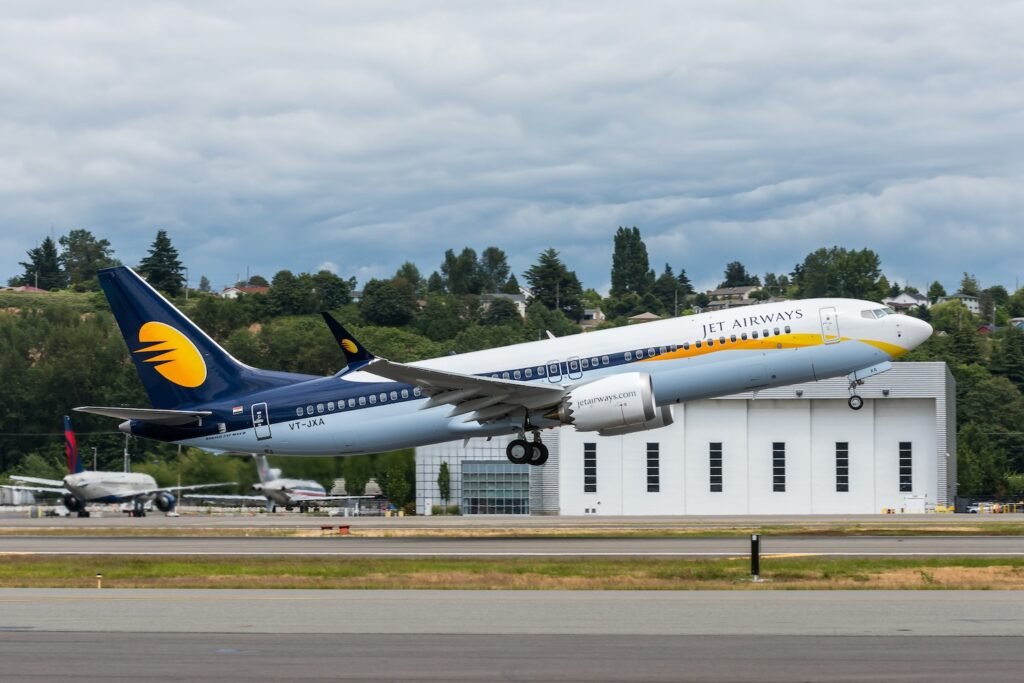
On November 7, the Supreme Court ordered the liquidation of Jet Airways after concluding that the National Company Law Appellate Tribunal’s (NCLAT) ruling violated the apex court’s judgment of January 2023. The SC verdict was a follow-up of several appeals including from lenders challenging the NCLAT’s approval of the airline’s takeover by a consortium comprising UK’s Kalrock Capital and UAE-based businessman Murari Lal Jalan that had emerged as the had emerged as Successful Resolution Applicant (SRA).
While allowing appeals by the lenders, including the State Bank of India (SBI), its largest lender, a bench of Chief Justice of India D Y Chandrachud and Justices J B Pardiwala and Manoj Misra said: “In the peculiar and alarming circumstances as discussed in this judgment and also keeping in mind the fact that almost five years have elapsed since the Resolution Plan was duly approved by the NCLAT and there being no progress worth the name, we are left with no other option but to invoke our jurisdiction under Article 142 of the Constitution and direct that the corporate debtor be taken in liquidation,” the bench said and asked the National Company Law Tribunal (NCLT), Mumbai, “to take appropriate steps for appointment of liquidator and all other necessary formalities for the commencement of liquidation of the corporate debtor.’’
The court’s view that the case was an ‘eye-opener’ that spelt out important lessons for India’s Insolvency and Bankruptcy Code (IBC) is spot on. According to the resolution plan, SRA was to pay Rs 4,783 crore and infuse Rs 350 crore as the first tranche of the payment. The deadline for infusing the Rs 350 crore was subsequently extended. In January this year, the SC had set aside the NCLAT’s decision to allow the SRA to adjust the first tranche of payment of Rs 350 crore against a Performance Bank Guarantee (PBG), given as security.
As the SC said in its final judgement “the SRA herein has failed to infuse the first tranche payment of Rs 350 crore as envisaged in the Resolution Plan despite the Effective Date being fixed on 20.05.2022. As a consequence, the payment of CIRP(Corporate Insolvency Resolution Process) costs, workmen and employees’ dues etc. which must be made in priority over the dues of the other creditors have also not been made. More than 5 years have passed and the implementation of the Resolution Plan still seems to be a dim light at the far end of a long tunnel. Over this period of 5 years, several dues such as the Airport dues to be paid by the Corporate Debtor have increased multifold due to the fault of the SRA and this Court must ensure that such debts stop running at some point in time.”
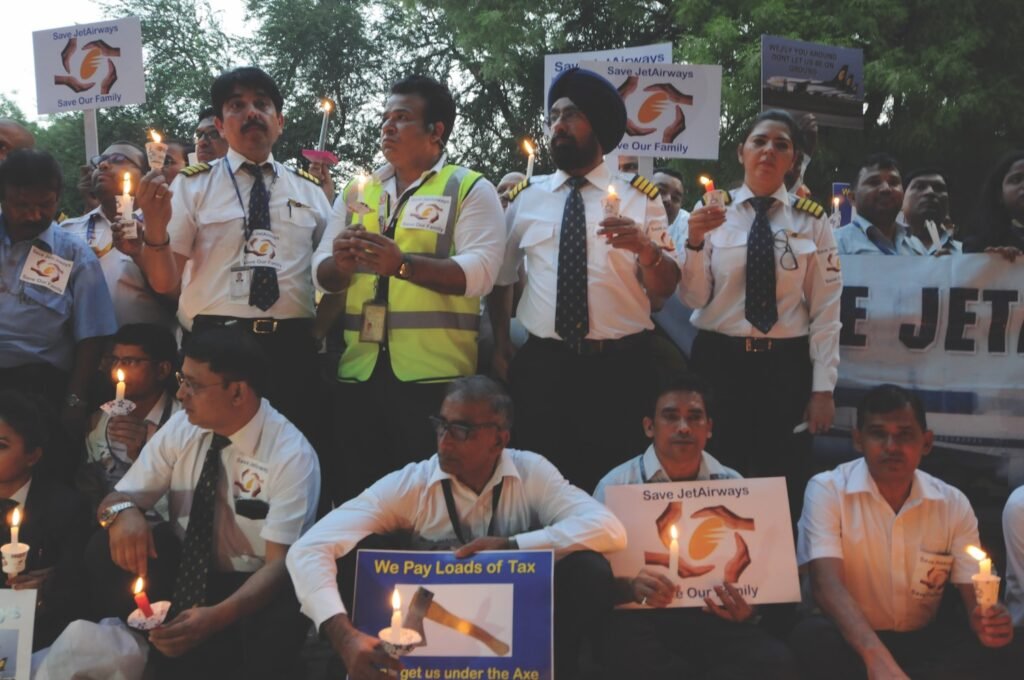
The Supreme Court bench said that “although one of the key objectives of the IBC, 2016 is to ensure the survival of the corporate debtor as a going concern, yet the same must not come at the cost of efficiency. In scenarios such as the present, “timely liquidation” is indeed preferred over an “endless resolution process….Such a view will prevent the likelihood of adversely affecting the interests of all the creditors who have been suffering due to no fault of their own and also securing the maximisation of value of the remaining assets.”
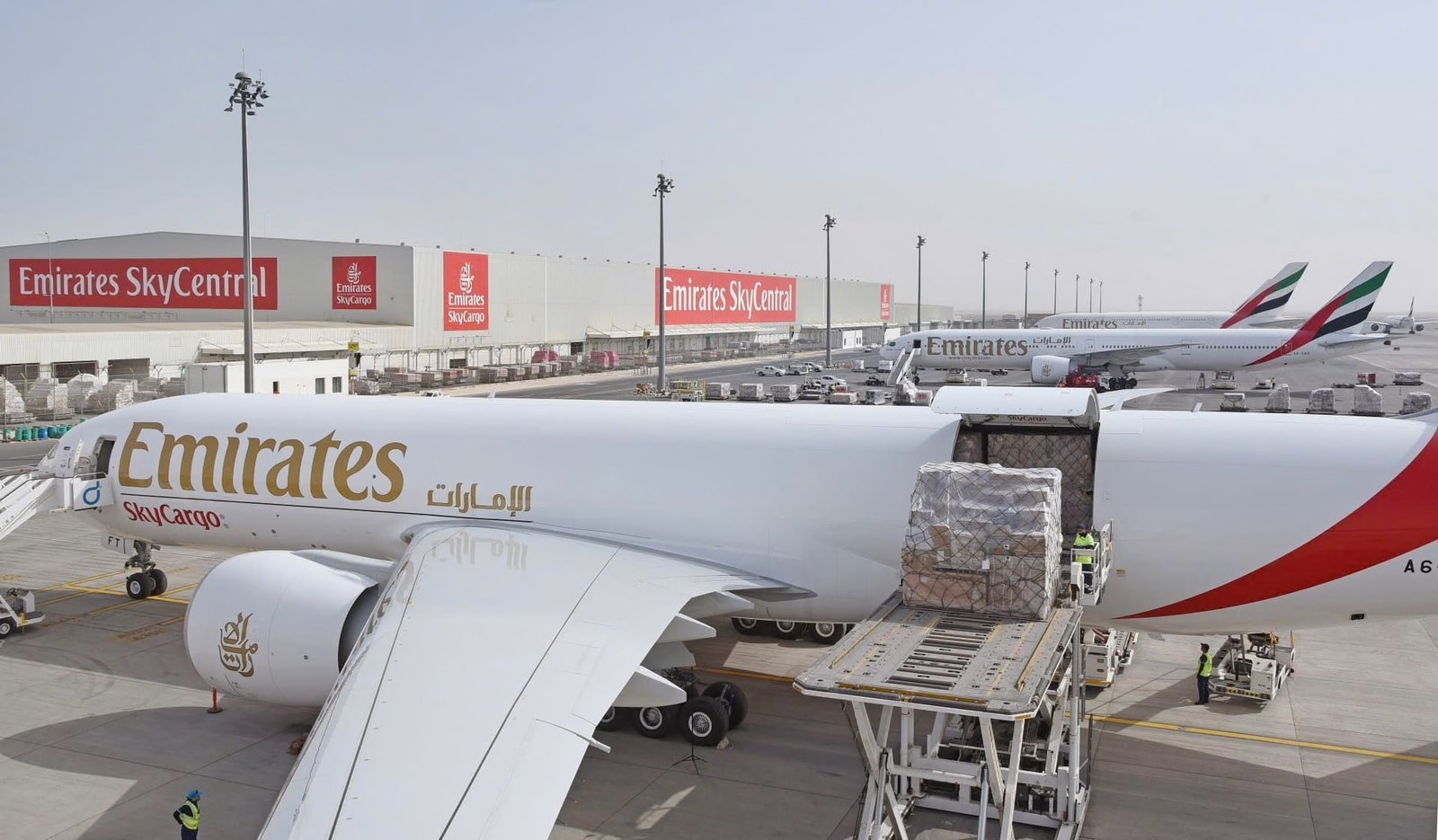
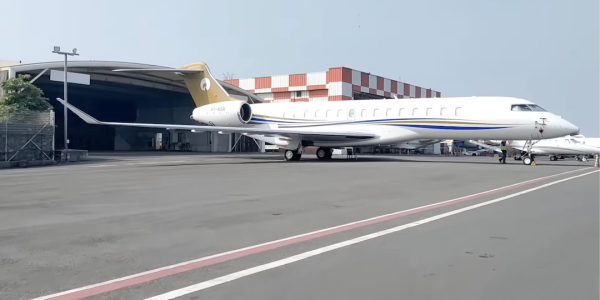
According to CNBC TV 18, Jet Airways has 11 aircraft parked in Mumbai, Delhi and Hyderabad. This includes several Boeing 777s. A single aircraft will not cost less than Rs 3000 crores. And all the aircraft in its present condition even at scarp value should easily fetch over Rs 2000 crore. That apart office space and other items could fetch several hundred crores.
So how has dragging the resolution process for so long helped in the cause of recovery of funds for the lenders?
A case in point is the sad story of Ace Aviation. According to stattimes.com,’’ In 2022, Ace Aviation, a Malta-based company and subsidiary of the Challenge Group, successfully bid for three parked Jet Airways Boeing 777-300ERs. Although the company paid a total of $5.6 million in deposit and signed a letter of intent, it was unable to acquire the aircraft as the sale was blocked. To break down the amount in this deal, the total amount includes $4.6 million as Earnest Money Deposit (EMD) for the three aircraft parked in Mumbai along with a $1 million token money deposited for the two Boeing B777s parked in Delhi. These aircraft have MSN numbers 35157, 35158, 35159, 35160 and 35162.
It is now worth noting what will happen with the transfer of these aircraft to Ace Aviation after the Supreme Court’s order. According to sources and indications from Ace Aviation to the STAT Trade Times, the company continues to be involved in the deal to acquire these aircraft and is currently analysing the situation.
The company also acquired a B777-300ER from another source due to delays in acquiring aircraft from Jet Airways. In a response to the STAT Trade Times, the company confirmed it has secured two slots for 2025 and another two for 2026 for the conversion. However, any further delays in the delivery of the B777 could affect the aircraft’s airworthiness, potentially causing negative consequences for all parties involved.’’
The judgment is also a stunning commentary on how the NCLT is operating across the country. Rather than act as a dynamic platform to help countries resuscitate and come back to life, it has become a pedantic bureaucratic institution where retired officials have a cosy sinecure with the health of a company or the predicament of the lenders is really of no consequence.
It is also a fact that there is opaque and oblique government intervention. For example, in the case of Jet Airways, there were multiple attempts by the SBI in talks with the Finance Ministry to give another Rs 500 crore to the airline and keep it floating, but North Block said `nyet` and the airline ceased operations on 17 April 2019. One reason for this was to prevent the Tatas from acquiring Jet Airways—something that they had seriously pursued for a while. Infact the Jet Airways bankruptcy came right during the first unsuccessful attempt to get rid of Air India.
The liquidation of Jet Airways will certainly not have any seismic impact on the aviation sector in any way since it happened a good five years ago. More recently Go Air has also filed for bankruptcy(May 2, 2023) and is also on its way to liquidation which is what the committee of creditors have recommended, but the final decision is stuck with the National Company Law Tribunal (NCLT). In the same period, India had another new airline take to the skies—Akasa. In that sense, aviation in India is not a duopoly and fares have not skyrocketed as many feared.
‘’So the problem is not the carriers dying and fares shooting up,’’ as the Financial Express rightly explained, ‘’(but) the problem is India’s much-vaunted insolvency resolution process which has led to inordinately long delays in either the resolution plans getting approvals, or in taking the final decision regarding liquidation of firms in cases where revival plans do not work. The Jet case is a prime example. It went bankrupt in 2019 and the Committee of Creditors (CoC) approved the resolution plan in 2020. Thereafter issues relating to non-payment by the successful resolution applicant (SRA) and the CoC changing its mind, led to prolonged litigation, with the National Company Law Appellate Tribunal (NCLAT) ordering in favour of the SRA. With lenders challenging it, the SC finally overturned its order. Such long delays are not an exception but have almost become a norm. The corporate insolvency resolution
process against Jaypee Infratech was started way back in 2017, however, the final nod by the NCLAT to the SRA was accorded only in June this year. Interestingly, a SC-monitored plan of Amrapali Group’s housing projects in the National Capital Region, outside the CIRP, saw a much faster resolution.’’
The Cape Town Convention to which India is a signatory, has also been an issue. The agreement standardizes transactions involving movable property, including aircraft, aircraft engines, and other equipment. The convention’s goal is to allow lessors to reclaim their aircraft if an airline is unable to meet the terms of its lease.
The problem is that India has not yet fully incorporated the convention’s provisions into law. While the IBC imposes a moratorium that temporarily blocks the repossession of assets, including leased aircraft, during airline insolvencies, it contravenes directly the rights of lessors under the convention, which can lead to legal and financial complexities.
To address this, the Ministry of Corporate Affairs (MCA) released a notification on October 3, 2023, exempting aircraft and related equipment from the moratorium. This move was intended to align the aviation industry with international standards and provide lessors with clear and effective repossession rights. There is also the Protection and Enforcement of Interests in Aircraft Objects Bill, 2022, which aims to bring India into compliance with the convention. But it is not yet law.