







- After years of operational and financial strain caused by Pratt & Whitney’s GTF engine issues, Indian carriers—led by IndiGo—are finally seeing the number of grounded aircraft begin to decline.
- The prolonged crisis stemming from faulty GTF engines appears to be easing, as Indian airline giant IndiGo reports a downward trend in aircraft groundings and renews focus on long-term expansion.
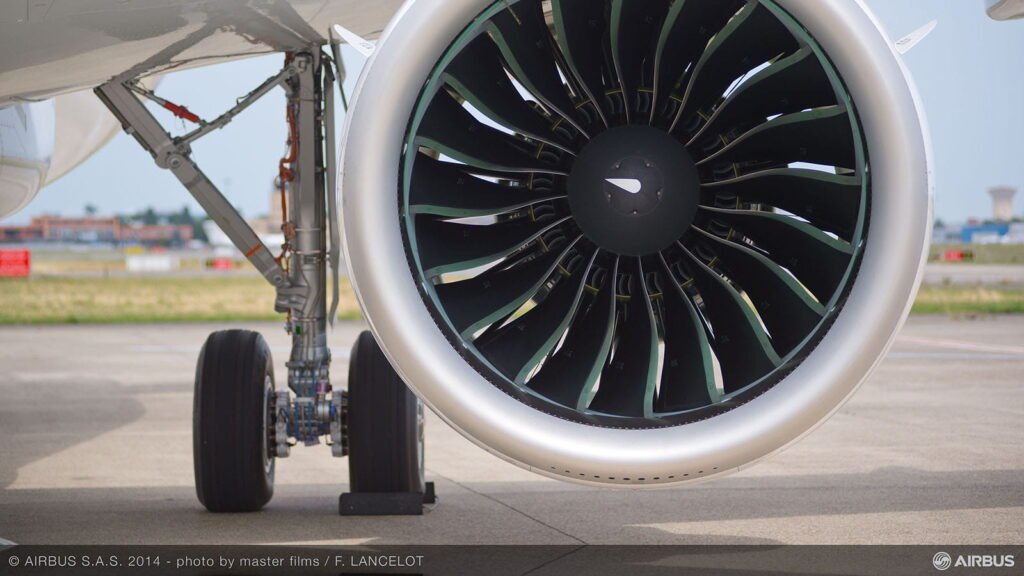
One of the major challenges in the Indian commercial aviation market for airline operators has been the continued challenges with Pratt & Whitney (P&W) Geared Turbofan Engines (GTF) powering A320neo jetliners. The grounding of aircraft powered by GTF engines has been a particular headache for the leading Indian airline, IndiGo, which has been forced not to fly approximately 70 A320neo jetliners fitted with these engines. The engine related issues first emerged in 2017, when IndiGo announced that it was facing issues with its PW1100G-JM engines related to premature degradation of the combustor chamber lining and wear of the No. 3 bearing seal. The troubles had led to accelerated removal of engines for inspection, with the problem further exacerbated by insufficient availability of spare engines.
The GTF related challenges have cost P&W the Indian domestic aviation market with IndiGo opting for the CFM Leap engine family for its future A320neo orders. Recently, IndiGo became the first Indian airline to have a fleet of more than 400 aircraft. The airline now has a firm pending order book of more than 975 aircraft that will see the carrier receive more than one aircraft per week into the early 2030s. The now defunct Ultra Low-Cost Carrier (ULCC) Go First had also blamed P&W for driving the airline to insolvency due to GTF engine troubles which had resulted in the airline being forced to ground approximately 50% of its fleet by April 2023. Wadia Group-owned Go First ceased operations in May 2023 and has now ceased to be operational. Go First’s application for voluntary insolvency which had been admitted in 2023 by the National Company Law Tribunal (NCLT), had blamed P&W’s GTF engines. The airline had stated that its A320neos that had been grounded had increased from 31% in 2020 to more than 50% in April 2023, resulting in losses of over INR 10,800 crore. Go First’s problems with P&W GTF engines powering its A320neo fleet had remained unresolved since 2018. At one time, more than 140 Airbus A320neo family aircraft powered by Pratt & Whitney GTF engines, were in operation with Indian carriers.
IndiGo Overcoming GTF Situation
India’s booming domestic aviation market is dominated by IndiGo with a domestic market share of nearly 63%, while the other Indian LCCs such as Akasa Air, Air India Express and SpiceJet have a market share of 4.5%, 4.4% and 2.3% respectively.
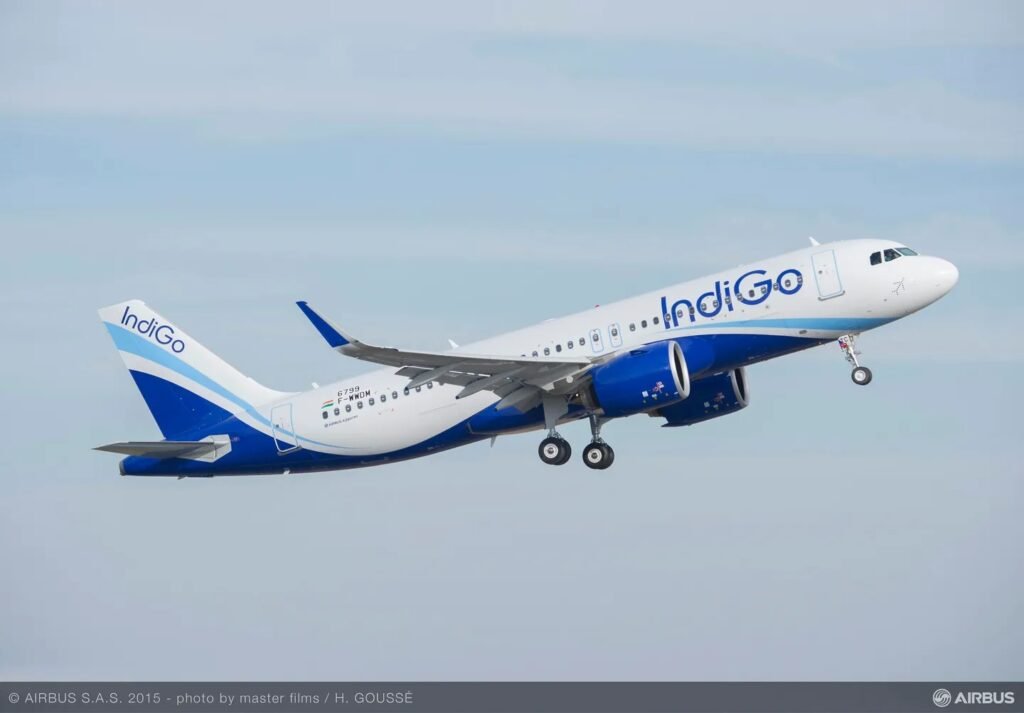
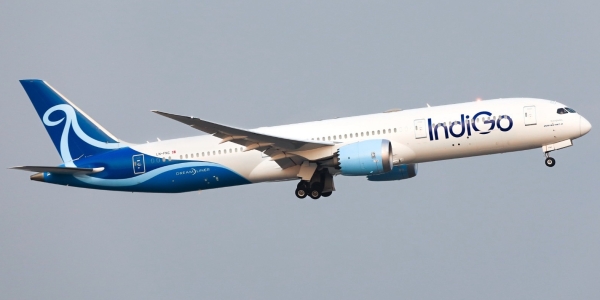
IndiGo which celebrated 18 years of operations earlier this year has been grappling with the unavailability of aircraft, hampering the growth plans of the world’s seventh largest airline. The airline today operates around 2100 daily flights, connecting over 85 domestic and more than 30 international destinations.
Approximately 70 of IndiGo’s A320neo jetliners powered by Pratt & Whitney GTF engines are grounded. The carrier has said that it is working with Pratt & Whitney towards ensuring a constant supply of spare engines and basis the current estimates, expects the groundings to start reducing towards the start of the next year. It has also finalised an amendment to its existing agreement with Pratt & Whitney for providing customised compensation in relation to the grounding of aircraft due to spare engine unavailability.
Speaking at IndiGo’s 2nd Quarter FY 2025 financial results conference call, Pieter Elbers, IndiGo’s CEO provided an update on the LCC’s GTF engine travails. “As we have communicated earlier, we are facing headwinds in the form of aircraft grounding situation. We reached the peak number of groundings, in the mid-seventies, during the quarter and the number has already started moderating downwards. The expensive mitigation measures as against these groundings is a well thought through short-term investment in the business, as to ensure that we can serve our customers with the best possible flying options in the upcoming seasonally stronger quarters,” Elbers said, adding that, “the headwinds that we are facing in the form of groundings, had an impact on our financial performance during the September quarter.” Importantly, Elbers announced that, “while in the last quarters, we have seen a consistent increase in the number of groundings, we have now turned the corner with the grounding situation and the number of aircraft groundings have started reducing. Basis the development, we will start adjusting our mitigation measures in the quarters to come.”
IndiGo’s CFO Gaurav Negi also confirmed that the carrier has already passed the peak levels of groundings. “Our current grounded aircraft have reduced to high sixties from mid-seventies levels in the first & the second quarter. Further, based on the current discussions with the OEM, we are anticipating that the groundings will continue to moderate downwards to sub-sixty level by the end of the calendar year and in the forties by the start of next financial year.” He added that the impact on the profitability related to the costlier mitigation measures will also start to moderate downwards as we start returning the short-term damp leases sometime in the first half of next year.
IndiGo’s Aircraft on Ground (AOG) number Negi said has started to trend downwards. “We have managed to reduce this. It’s trending now below the 70s, it’s in the high 60s. And what we are expecting now working with OEMs that this number will start to trend further down and be in the mid-40s by the start of the next financial year. And over a period, it will keep trending downwards. So, the trajectory that we were experiencing, where the AOGs were increasing, has now taken a turn. And as a result, this number will continue to taper downwards. And beginning of next financial year, the number is in the mid-40s and will further come down.”
IndiGo inducted 31 aircraft during the quarter, of which nine were inducted as part of the airline’s mitigation measures in the form of damp leases and secondary leases. As of 30th September, IndiGo’s fleet stood at 410 aircraft, including three A321 freighters. 345 of these aircraft are on operating lease, 40 are owned or on finance lease, while 25 aircraft are on damp lease. IndiGo’s aircraft fleet comprises of 201 A320neos, 41 A320ceos, 112 A321neos, 45 ATRs, three A321 freighters, six B737s and two B777s. The B737s are being inducted on lease from Qatar Airlines.
Indigo is now reinventing itself to prepare for the future. It is slated to induct its first Airbus A321 XLR in 2025, followed by the first A350-900 in 2027. The airline has stated that it plans to double in size by 2030. IndiGo is also sitting on a pile of free cash, worth over Rs 220 billion (approx US$ 2.7 billion), which will be used for its future growth plans and the goal of becoming a 600 plus aircraft carrier by the end of the decade. IndiGo is also building up its international network and earlier this year in May, announced firm orders for 30 A350-900s, with purchase rights for an additional 70 Airbus A350 Family aircraft. “IndiGo’s first widebody order opens an exciting new chapter in our close partnership. We are proud that our fuel-efficient, next-generation A320 Family revolutionised domestic air travel in India, and that now the A350 is poised to replicate the same success on long-haul routes,” said Benoît de Saint-Exupéry, Airbus EVP Sales, Commercial Aircraft. IndiGo is bullish on the international travel prospects from India, since when it comes to international travel, the Indian market is still underpenetrated, both from a point of sales, India as well as from the foreign visitors into India. The sheer size of this market and potential for growth will provide strong impetus for the airline to increase its international operations.
Disruptive Design
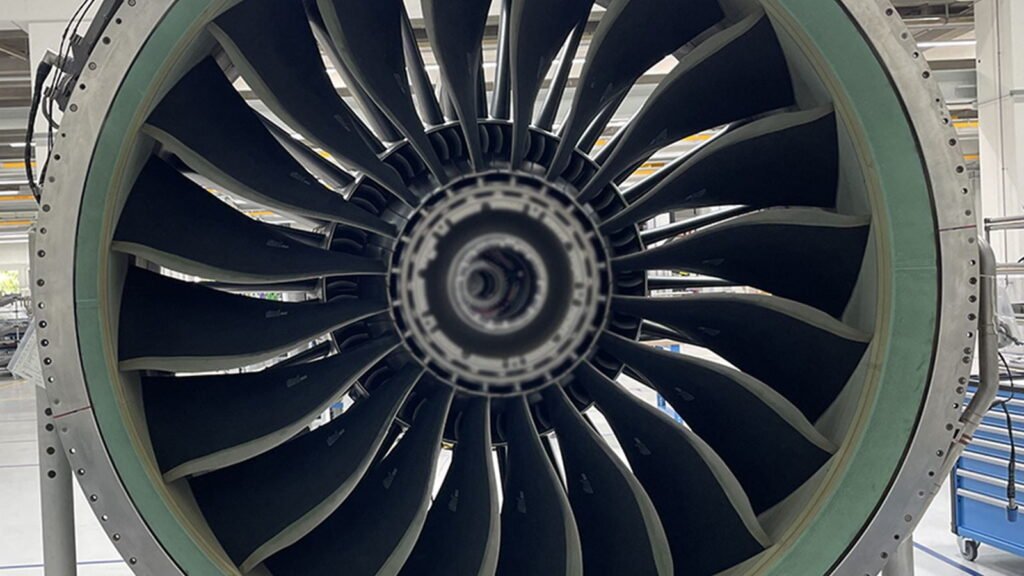
The GTF engine family can be found in a variety of aircraft types. Airbus offers the GTF engine family for its A320neo and A220, while Embraer has made it the only option for its second-generation E-Jets. The GTF engine featured a revolutionary engine architecture which delivered double-digit percentage reductions in fuel consumption, pollution, noise emissions, and operating costs. In a GTF engine, the reduction gearbox is located between the fan and low-pressure compressor—on which the low-pressure turbine that drives the fan is mounted. This allows the fan to rotate more slowly and yet at the same time, the low-pressure compressor and turbine can run faster. This helps achieve lower fan pressure ratios, and thus higher bypass ratios, and allows all components achieve their optimum performance. Consequently, the geared turbofan has very high overall efficiency, substantially reducing fuel consumption and CO2 emissions and significantly decreasing noise footprint. Compared to the previous engine generation, the GTF engine family offers a reduction in CO2 emissions of 20% with a noise footprint that is 75% smaller. A further advantage is that its fewer compressor and turbine stages make for a lighter engine.
Unfortunately for RTX and Pratt & Whitney, the GTF engine has proved problematic while operating in hot and dusty conditions. Pratt & Whitney had announced in 2023 that more design enhancements were planned in 2024 and 2025 to extend the GTF engine time on the wing further. About 75 % of the GTF fleet operates with airlines in cooler environments, and these customers are experiencing time on-wing rates that P&W expected at this point in the programme, the engine maker had said then. It was in September 2023, that RTX had announced that the issues afflicting GTF engines would impact its pre-tax operating profit by $3 billion to $3.5 billion over several years. At the time, the engine maker had announced a GTF engine fleet inspection and management plan which would result in a financial impact to the tune of approximately USD$ 6-7 billion for RTX.
RTX had acquired P&W in 2020, and the latter holds a 51% net programme share in the PW1100 programme. ‘We are focused on addressing the challenges arising from the powder metal manufacturing issue,’ RTX Chairman and CEO Greg Hayes had said at the time. RTX had first announced that a rare condition in the powder metal used to manufacture certain engine parts had first come to light in July 2023. These issues were related to its PW1100G-JM GTF engines, which are available as an engine option on the A320neo single-aisle jetliner. In August 2023, P&W informed GTF-powered A320 aircraft operators that there would be accelerated inspections and engine removals covering the initial tranche of operational engines. RTX released a GTF fleet update in September 2023 that stated that globally, approximately 600 to 700 engines would need to be removed for MRO shop visits between 2023 and 2026.
The turnaround times wing-to-wing for the engine was to be between 250 and 300 days. This will result in an average of 350 AOG between 2024 and 2026; as a result, P&W had said it expected a significant increase in AOG levels for the GTF-powered A320 fleet throughout these years. The accelerated removals and incremental shop visits resulted in higher aircraft on the ground, which means increased expenses for airlines operating these aircraft as they will still have to pay for staff salaries and maintenance costs, which are not generating revenue. P&W’s fleet management plan for the remaining affected PW1100 GTF engines requires a combination of a repetitive inspection protocol at an interval of 2,800 and 3,800 cycles (one cycle equals one take-off and landing of an aircraft). It has also put part life limits of 5,000 and 7,000 cycles for high-pressure turbine and compressor disks. These actions are anticipated to result in up to 700 incremental shop visits between now and the end of 2026. There will be a significant burden on the company’s MRO facilities and partners as these shop visits will primarily be heavy in the work scope. P&W has also introduced durability upgrades introduced with the latest- configuration Block D hardware, which has been deployed in 60% of the fleet, and is set to increase to over 90% by 2026. This latest build standard alleviates removal drivers with longer-life parts, including life-limited parts like integrally bladed rotors, a durable combustor, and improvements in oil seals and turbine airfoils. The Block D time on the wing is double the prior configuration.
Making Amends
Pratt & Whitney has been working hard to expand GTF MRO capacity with industry-leading providers to support the growing aftermarket demand. In July this year, SR Technics became the 17th active facility in the growing GTF MRO network. SR Technics will provide full disassembly, assembly and test capability for the PW1100G-JM engine for the Airbus A320neo aircraft family. In 2023 alone, Pratt & Whitney had announced three GTF MRO facility expansions and six shop activations to support the growing GTF fleet. By 2025, the company expects to have 19 active GTF MRO shops worldwide.
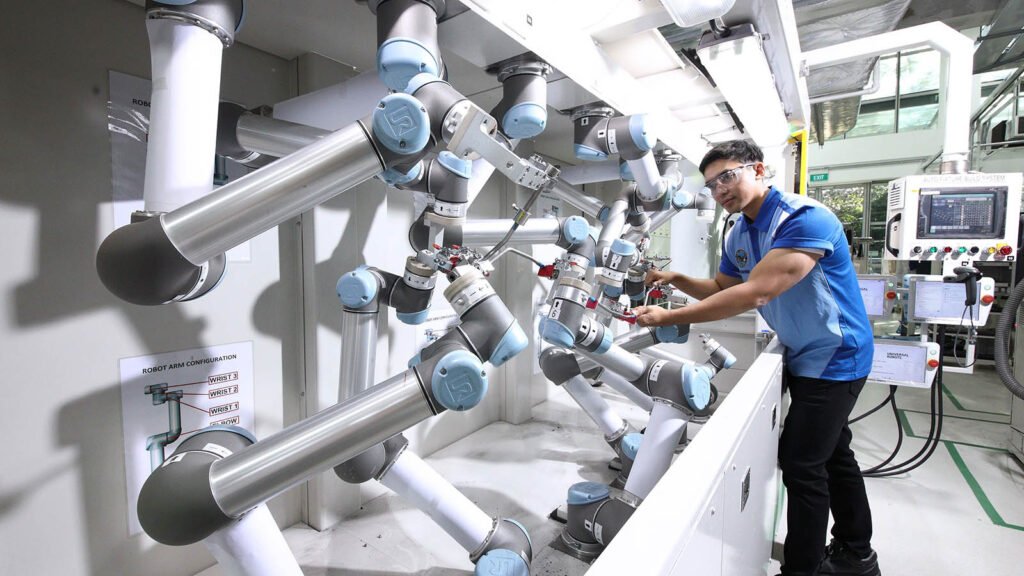
Earlier this year, in February, P&W had announced that it was ramping up the industrialisation of repairs for certain GTF engine components engines across its Singapore-based maintenance repair and overhaul (MRO) facilities, including Component Aerospace Singapore, Pratt & Whitney Component Solutions, and Turbine Overhaul Services. “The investment and collaboration on repair development and capacity growth within our facilities, not just in Singapore but across our global MRO network, demonstrates our commitment to customers and the GTF fleet,” Shangari Meleschi, vice president, Aftermarket Operations – Asia Pacific and Türkiye at Pratt & Whitney, had said at the time. “In addition to enhancing engine MRO efficiency, we are increasing the capabilities and productivity of our technicians and providing new opportunities for them to expand their skillset.” Repair industrialisation at these three facilities has been achieved for 33 components, including seal assemblies, high pressure compressor stator segments and vanes, and combustion chambers. An additional 25 will be completed in 2024 with another 177 parts by 2025.
As of July this year, Pratt & Whitney, an RTX business, has received more than 950 GTF engine orders and commitments since the beginning of 2024. In total, more than 11,000 GTF engine orders and commitments have been placed by more than 90 customers worldwide. “These orders demonstrate continued customer confidence in Pratt & Whitney and the value the GTF engine offers with its world-class economic and environmental benefits,” said Rick Deurloo, president of Commercial Engines at Pratt & Whitney. “The GTF Advantage engine will extend this lead while providing more thrust and higher durability. We remain focused on executing all elements of the GTF fleet management plan including industrial output and material flow, GTF maintenance, repair and overhaul network expansion and ongoing customer support.”
The GTF remains an important powerplant for commercial aircraft operators due to its ability to deliver up to 20% better fuel efficiency than previous generation engines. When the issues related to GTF engines are finally resolved to the satisfaction of Pratt & Whitney’s airline customers and aircraft lessors, the engines will play an important role in the aviation industry’s drive to reduce operating costs, add new routes and increase revenue, while making progress towards meeting the industry’s sustainability goals.