








- The world’s biggest airports, led by King Fahd in Saudi Arabia and Denver in the U.S., span hundreds of square kilometres, functioning like self-contained cities with runways, cargo hubs, and commercial zones.
- From Kuala Lumpur and Istanbul to Dallas/Fort Worth and Orlando, these mega-airports balance passenger growth with logistics, sustainability, and economic development through business parks, hotels, and intermodal transport.
- Airports such as Beijing Daxing, Shanghai Pudong, and Washington Dulles showcase forward-looking master plans, integrating rail links, satellite terminals, and eco-initiatives to meet rising global air travel demand.
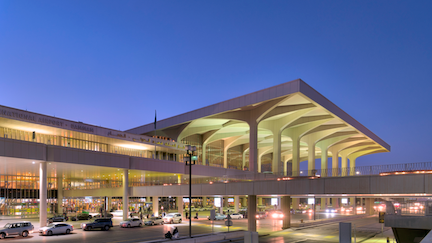
Airports span vast spaces to accommodate increasing passenger traffic, logistics, and future expansion. The world’s largest airports by land area are more than mere transportation hubs; many are nearly cities in themselves, featuring extensive runways, cargo complexes, and dedicated support infrastructure.
This article explores the top 10 largest airports globally, analysing how these record-breaking spaces are used and highlighting each one’s unique contributions to aviation and commerce.
1. King Fahd International Airport (DMM), Saudi Arabia
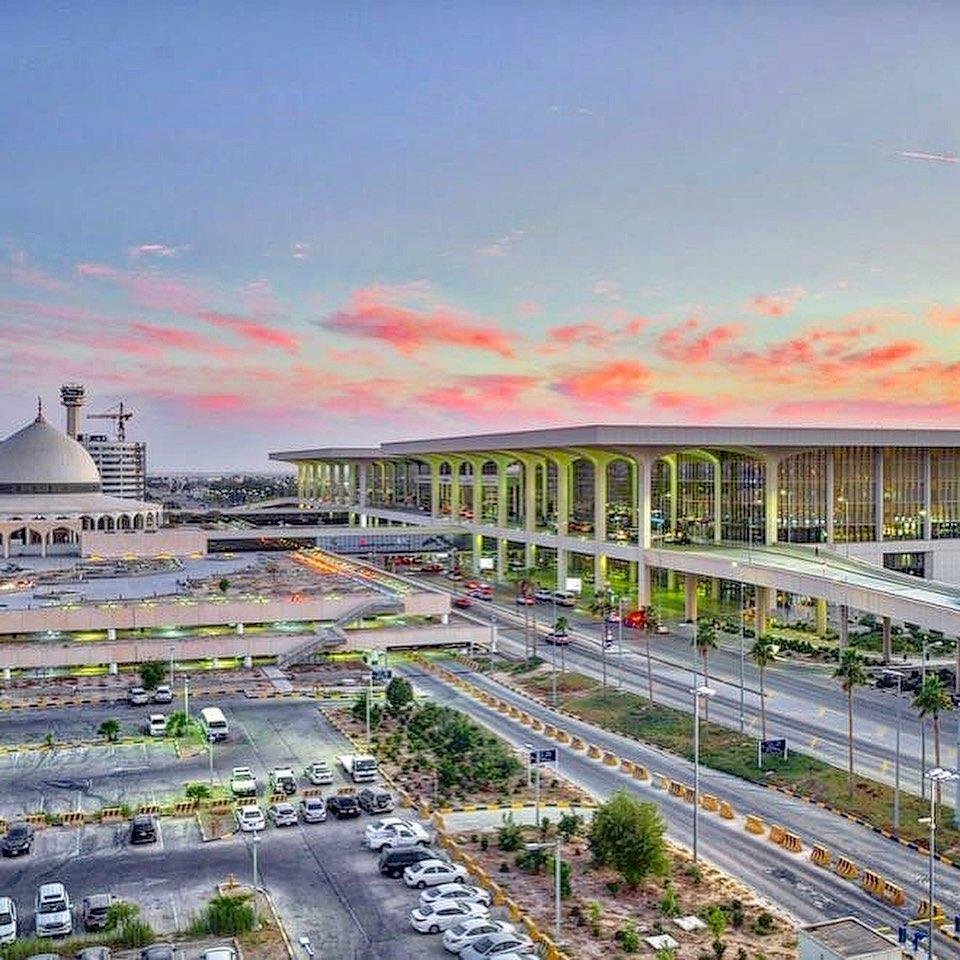
King Fahd International Airport holds the title of the largest airport in the world, sprawling over 776 square kilometres near Dammam. Its immense land area accommodates not just flight operations but also residential zones, government buildings, and vast utility infrastructure—all designed to support aviation and non-aviation purposes.
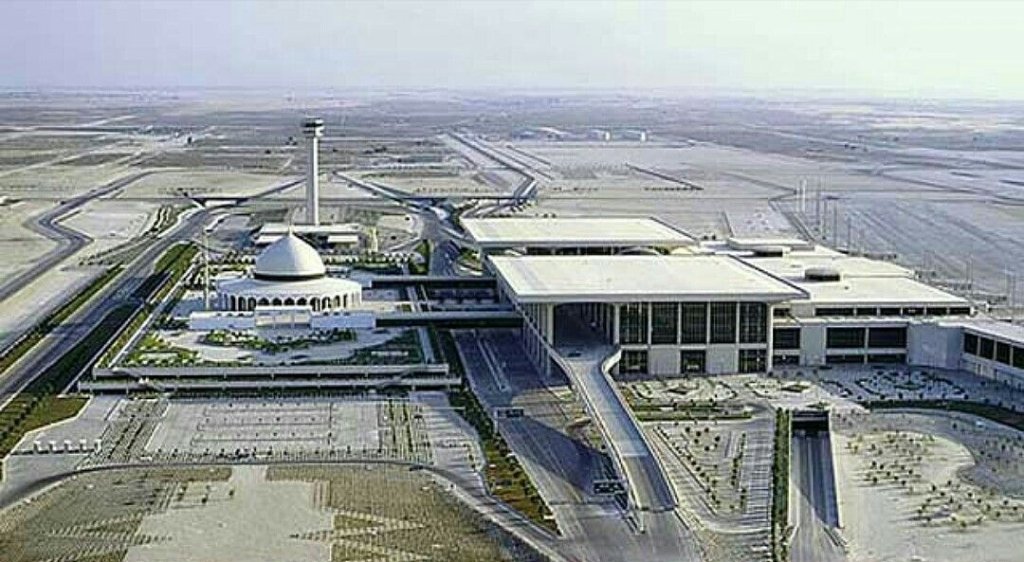
The airport boasts multiple terminals, an enormous air cargo city, maintenance bases, and landside developments that go well beyond what is typical at other airports. Wide buffer zones, redundant runways, and future-proof expansion sites ensure King Fahd can handle growth for decades, making it a model of airport master planning.
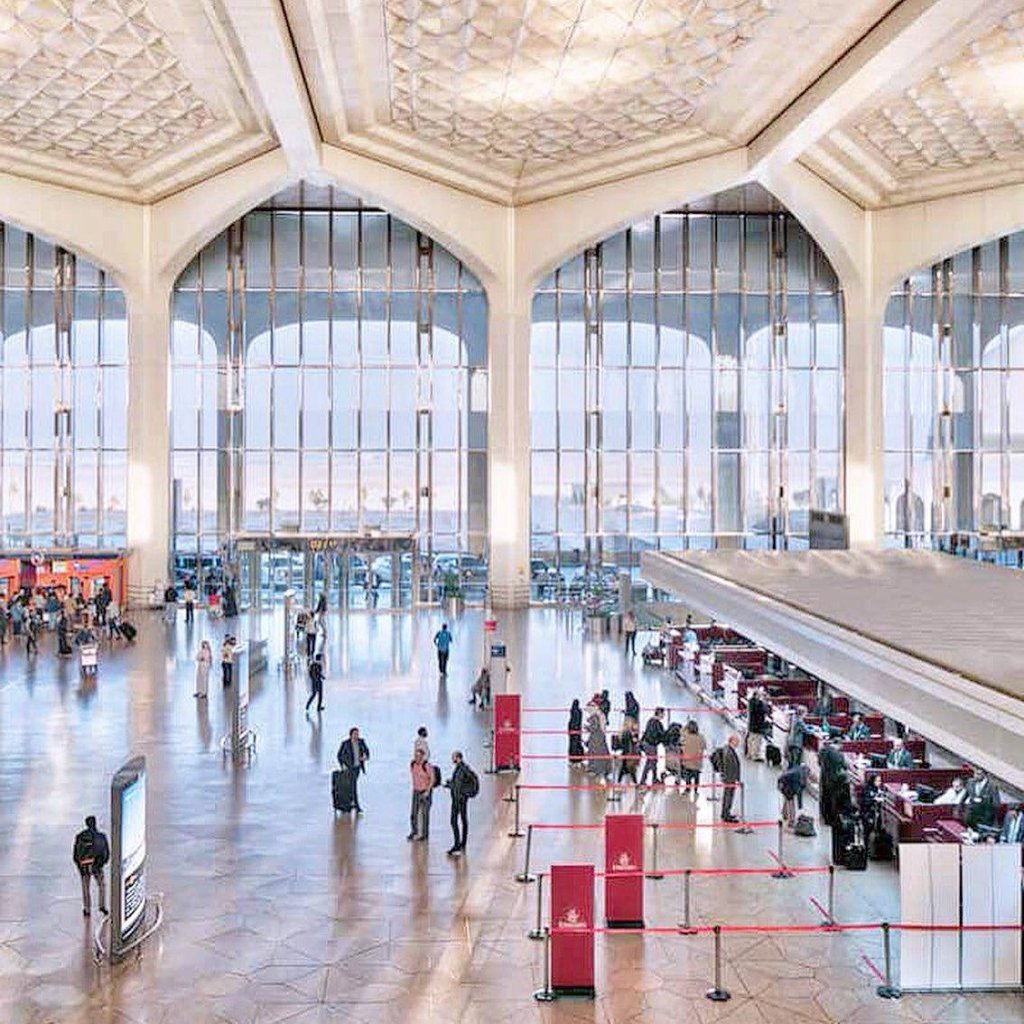

Quick Glimpse:
- Land area: 776 sq. km.
- The main passenger terminal floor area is ~327,000 m²; a Royal Terminal and a dedicated Aramco employee terminal operate on site.
- Two parallel runways (16L/34R and 16R/34L), each 4,000 m long; runway width 60 m with CAT II approach lighting.
- 3 passenger terminals, a cargo city, and government buildings.
- Extensive utility, buffer, and residential zones.
- A distinctive airport mosque sits atop the parking structure and can host ~2,000 worshippers.
2. Denver International Airport (DEN), United States
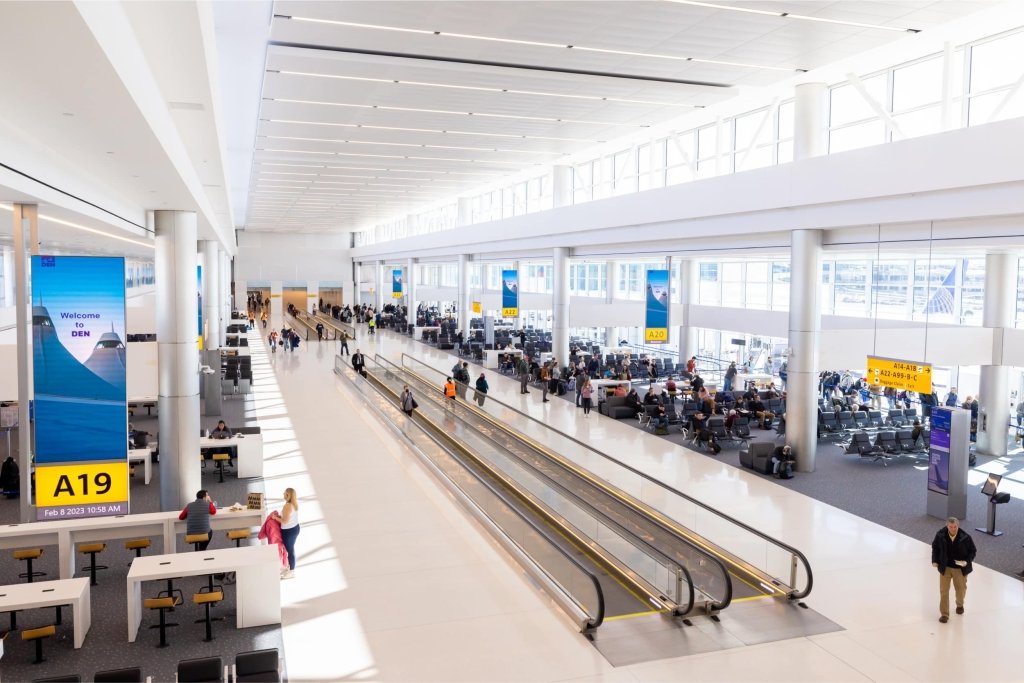
Denver International Airport, set amid the Colorado plains, covers 137.8 square kilometres, giving it the largest footprint in North America. Its area allows for multiple long runways, large airfield support zones, and major commercial development both airside and landside.

The space includes rail access, business parks, aircraft maintenance zones, and facilities reserved specifically for future aviation projects. With a focus on scalability, Denver’s site planning continues to prioritise growth and sustainability across all operations.
Quick Glimpse:
- Land area: 137.8 sq. km.
- Six runways, plus business, maintenance, and utility zones.
- Integrated rail and road freight infrastructure.
- Room for future expansion beyond current passenger terminals.
- Runway 16R/34L is 16,000 ft (4,877 m)—the longest commercial runway in North America.
- The RTD A Line commuter rail links DEN to downtown Denver’s Union Station.
- Ongoing Great Hall terminal modernisation enhances security and check-in flows (Phase 2 completion milestones documented by DEN).
3. Kuala Lumpur International Airport (KUL), Malaysia
Kuala Lumpur International Airport is the largest in Southeast Asia, spanning 100 square kilometres. Its grounds host the main terminal, two massive satellite buildings, and a large air cargo centre—plus dedicated zones for hotels and a golf resort.
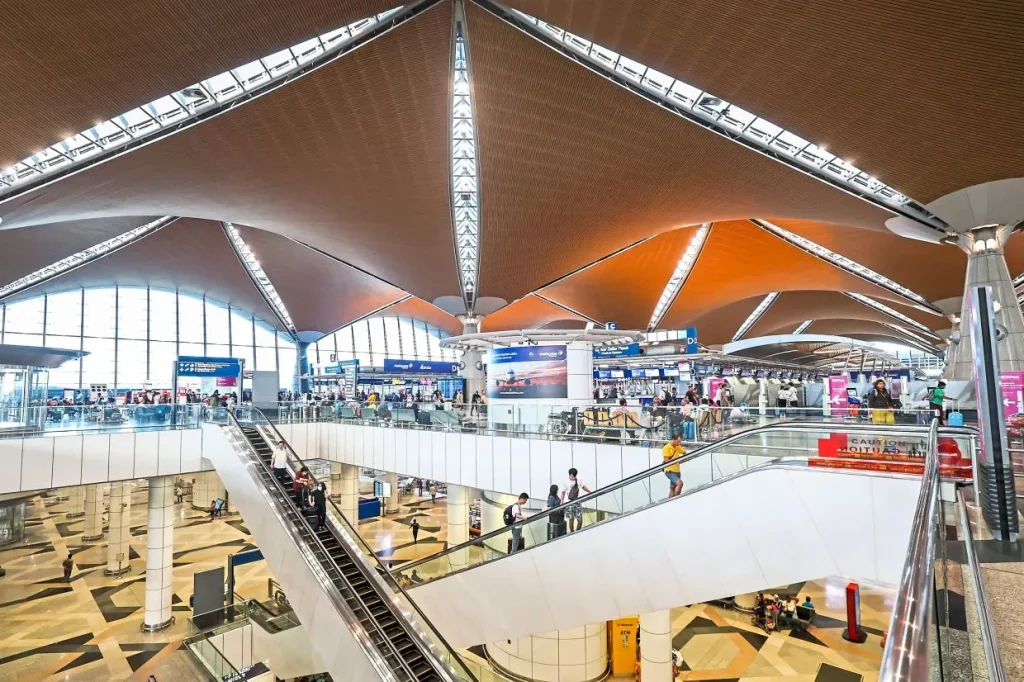
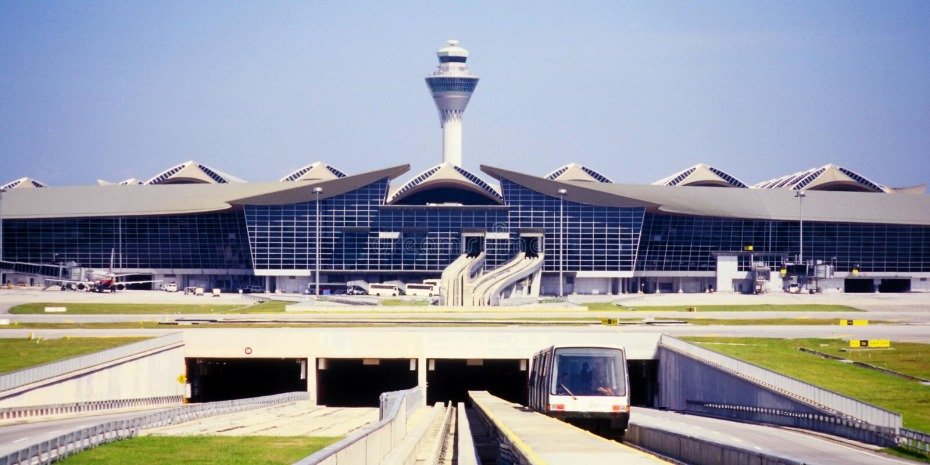
KLIA’s vast area allows for minimal congestion, streamlined airside logistics, and major commercial developments that support tourism and regional connectivity. There are also designated nature reserves and landscaped buffer areas between airport facilities.
Quick Glimpse:
- Land area: 100 sq. km.
- 2 terminals, satellite buildings, and hotels.
- Major cargo centres and business districts.
- Buffer zones and landscaped reserves inside the airport zone.
- KLIA operates three independent runways, ~4,000 m each, serving Terminal 1 (KLIA) and Terminal 2 (klia2).
- KLIA Aeropolis is a master-planned 100 km² airport city with logistics, aerospace and business park clusters; MAHB continues to sign development MOUs.
4. Istanbul Airport (IST), Turkey
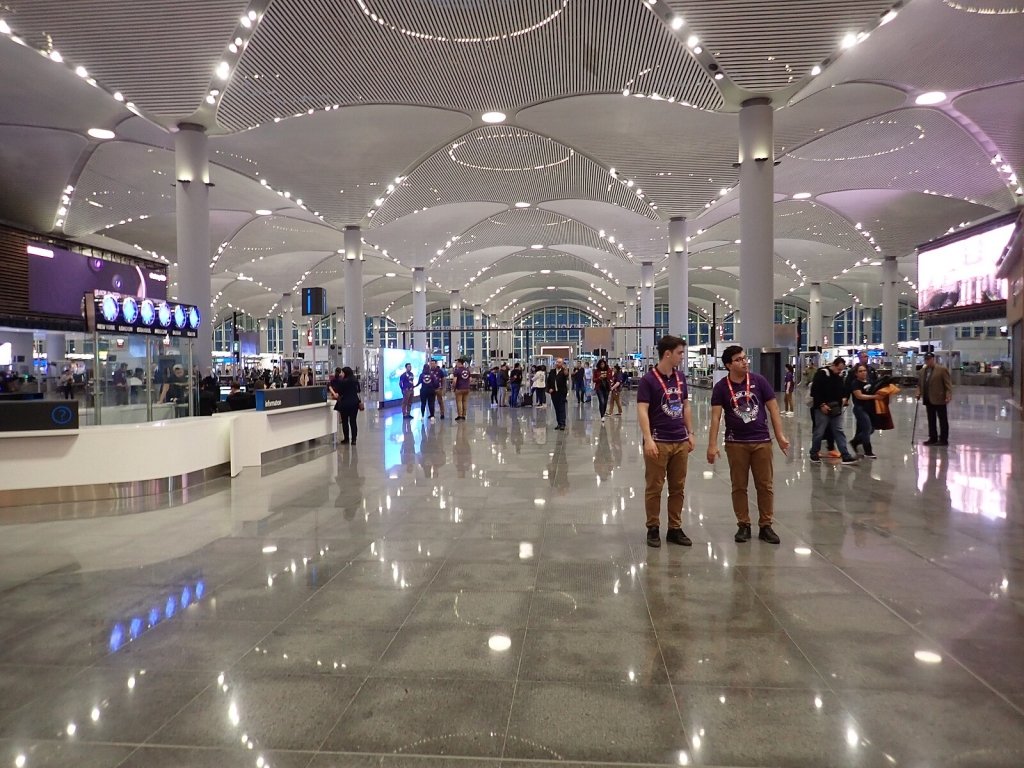
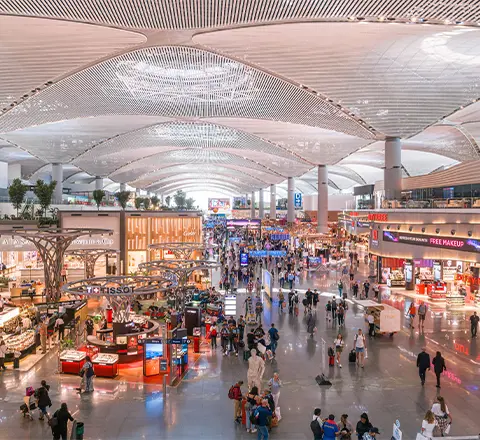
iGA Istanbul Airport, Europe’s largest, is built on a 76.5 square kilometre site on the Black Sea coast. Besides enormous terminal complexes, it houses support buildings, operational centres, and future expansion plots for city-like growth.
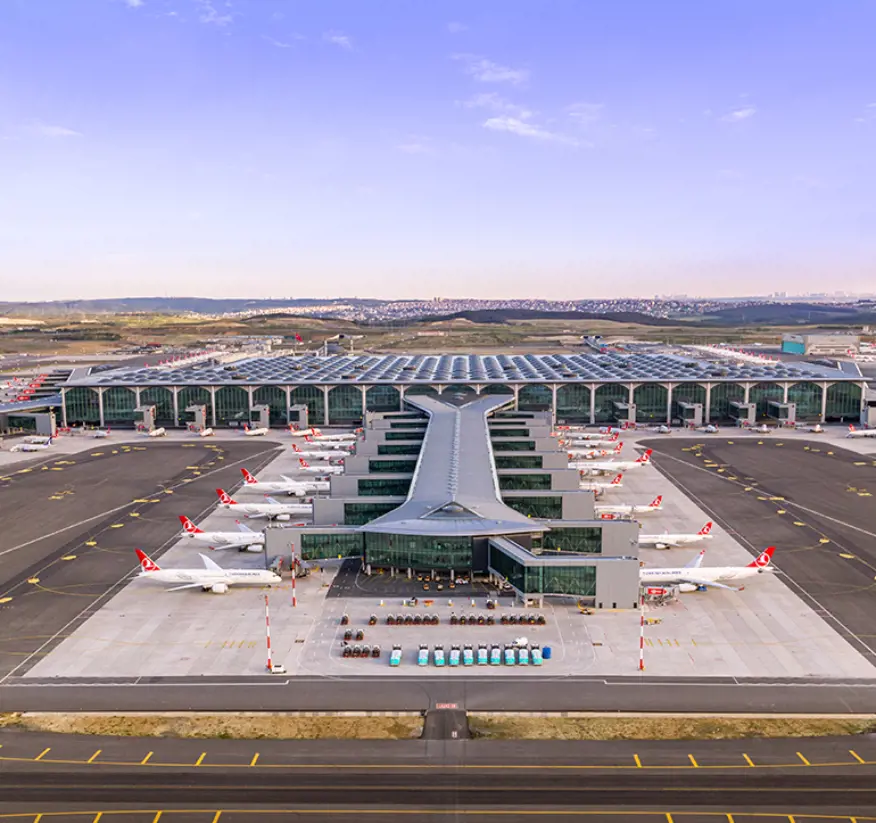
The facility features multiple runways and cargo villages, operational zones for maintenance, and varied land set aside for hotel developments and conference facilities. The massive space is intended for Istanbul’s role as a global interchange point for flights between continents.
Quick Glimpse:
- Land area: 76.5 sq. km
- Designed for strategic European-Asian connectivity
- In April 2025 IST inaugurated simultaneous operations on three independent runways, raising peak movements and supporting the 200 M target.
- iGA’s master plan delivers six runways over four phases; ultimate capacity is planned to reach ~200 million passengers/year.
- A dedicated Cargo Hub/Logistics Centre hosts major handlers and integrators (e.g., Turkish Cargo, Çelebi, Havaş, MNG, UPS).
- Turkish Technic operates at IST and, in May 2025, announced a Rolls-Royce licensed engine maintenance facility slated to come online by 2027.
5. Dallas/Fort Worth International Airport (DFW), United States
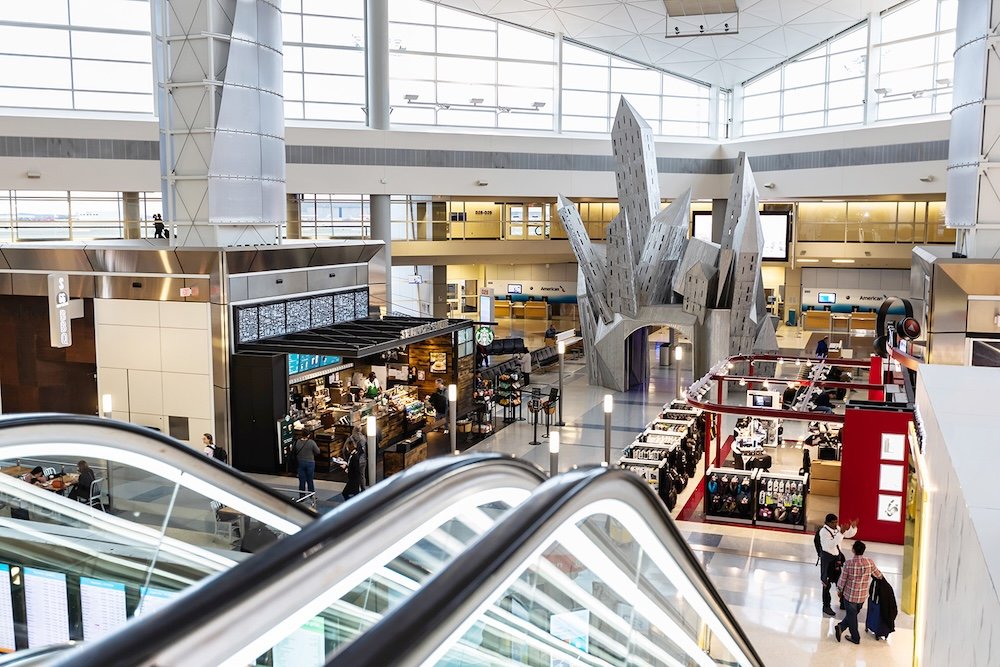
Dallas/Fort Worth International Airport (DFW) is a major North American gateway set on 69.7 square kilometres. Its vast size enables five active terminals, seven runways, robust cargo areas, and comprehensive support infrastructure.
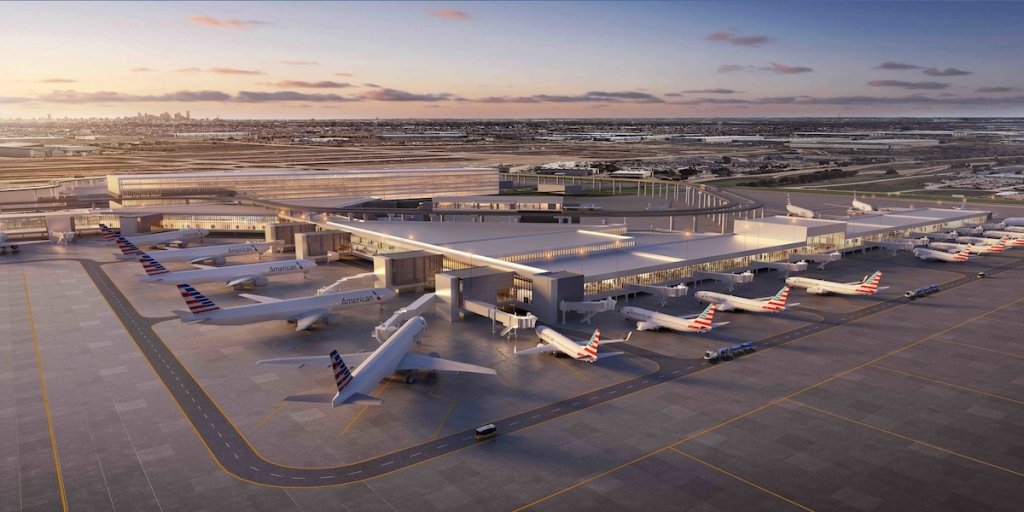
DFW’s land also houses airport business parks, hotels, and intermodal freight centres—making it a powerful economic driver for Texas and the broader US. The airport’s complex layout optimises traffic flow and future road expansions.
Quick Glimpse:
- Land area: 69.7 sq. km.
- 5 terminals, 7 runways, large cargo city.
- Multiple business parks and hotels on site.
- Key hub for US mid-continent connections.
- 171 gates across five terminals; the property spans ~17,183 acres (26.9 sq. mi).
- The World’s first airport to achieve ACI’s Level 4+ Airport Carbon Accreditation (and the first carbon-neutral in North America), DFW remains the largest carbon-neutral airport in the Americas.
- Skylink airside APM connects all terminals with frequent service, enabling rapid connections
6. Orlando International Airport (MCO), United States
Orlando International Airport spreads over 53.8 square kilometres, making it one of the largest in the US. Its multiple terminals, satellite gates, and expansive support zones cater to high volumes of leisure and business travellers.
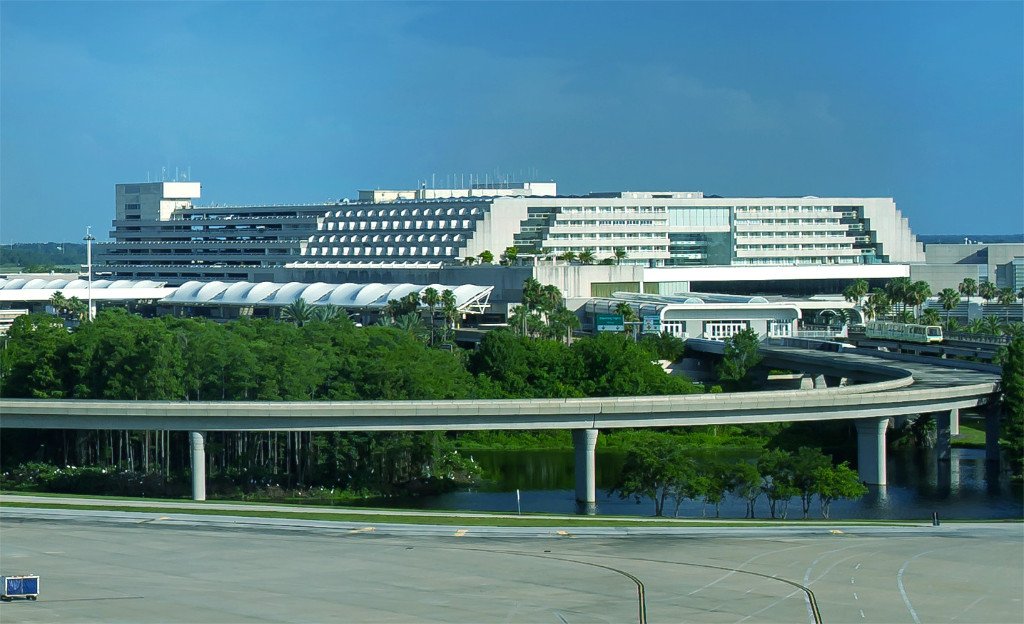
The airport grounds include hotels, conference centres, and maintenance zones necessary for central Florida’s booming air travel market. Green buffer zones between core facilities further enhance the airport’s ability to grow.

Quick Glimpse:
- Land area: 53.8 sq. km.
- Large cargo and aircraft support zones.
- Buffer zones and commercial districts.
- Terminal C opened in September 2022 with 15 new gates, featuring biometric screening, advanced baggage systems, and streamlined passenger processing
- The on-airport Brightline intercity rail station (at Terminal C) provides direct rail connectivity between Orlando and South Florida.
7. Washington Dulles International Airport (IAD), United States
Washington Dulles International Airport covers 47.8 square kilometres in Virginia, supplying broad runways and facilities for national and international traffic. Its extensive perimeter includes multi-modal transportation, commercial developments, and nature preserves.
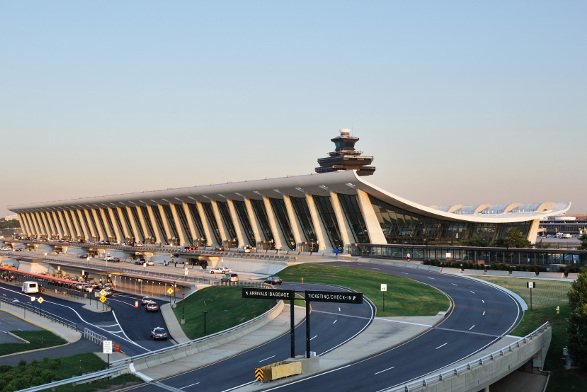
The airport supports both cargo and passenger operations at scale, and its master plan includes major expansions for future capacity growth. Connected directly to the region’s major highways, Dulles is a critical gateway to the US capital.
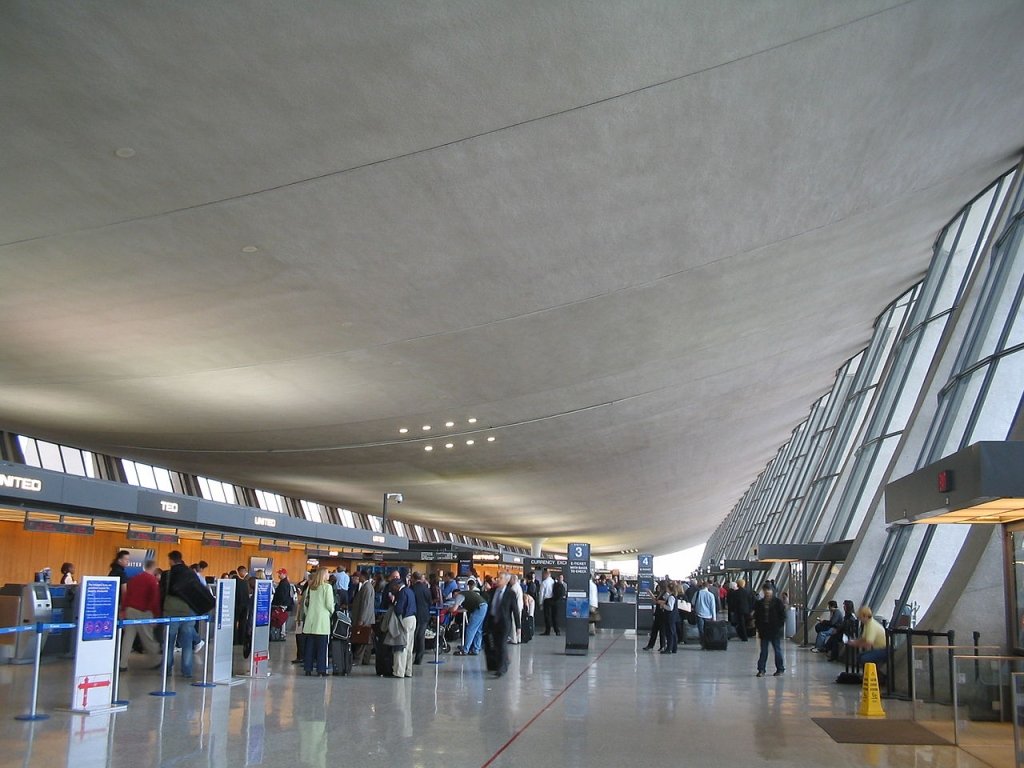
Quick Glimpse:
- Land area: 47.8 sq. km.
- Multiple runways and terminals.
- Cargo hubs, commercial parks, buffer reserves.
- Integrated with highway and rail networks.
- IAD’s campus spans ~12,000 acres; the iconic Eero Saarinen main terminal opened in 1962.
- Metrorail Silver Line service to Dulles Airport Station began in November 2022, integrating heavy rail directly with the terminal complex.
8. Beijing Daxing International Airport (PKX), China
Beijing Daxing International Airport is China’s newest super-hub, set on 47.0 square kilometres. The “Starfish” terminal is central to a plan that includes expansive airfield, cargo, maintenance, and logistics zones.
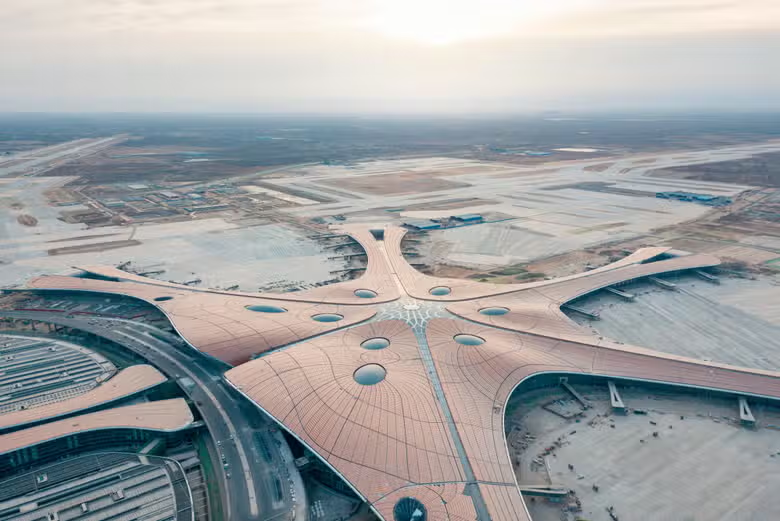
Space around Daxing is reserved for operations, duty-free complexes, and airport hotels, ensuring seamless international connectivity and growth potential. Its large footprint allows the airport to adapt rapidly to demand upswings.
Quick Glimpse:
- Land area: 47.0 sq. km.
- Iconic “Starfish” terminal, cargo zones, logistics hubs.
- Reserve space for further terminals and commercial use.
- Built for rapid scaling and China’s aviation growth.
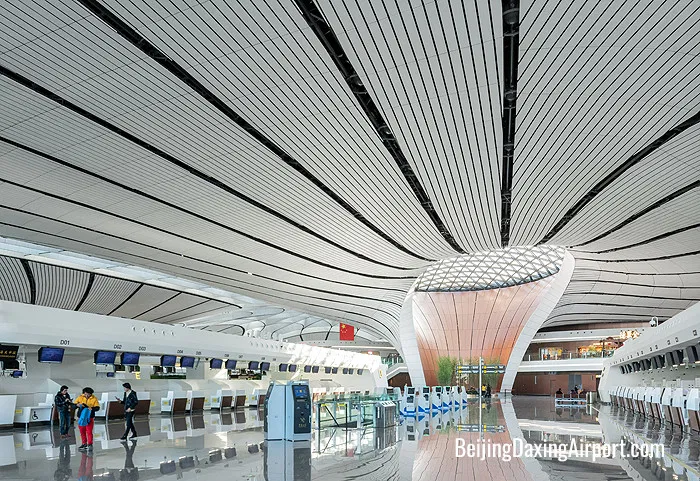
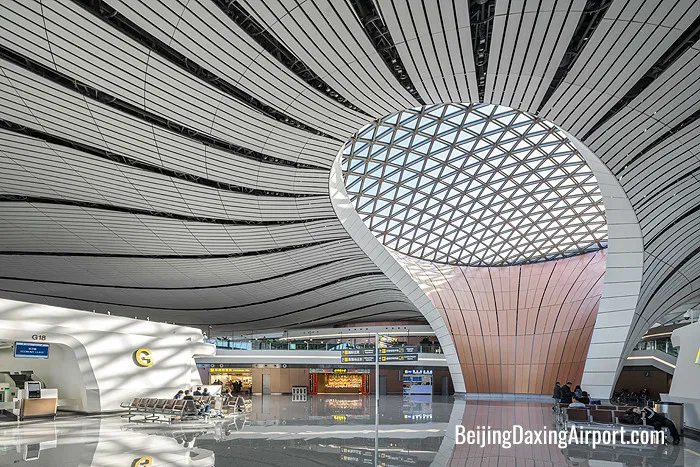
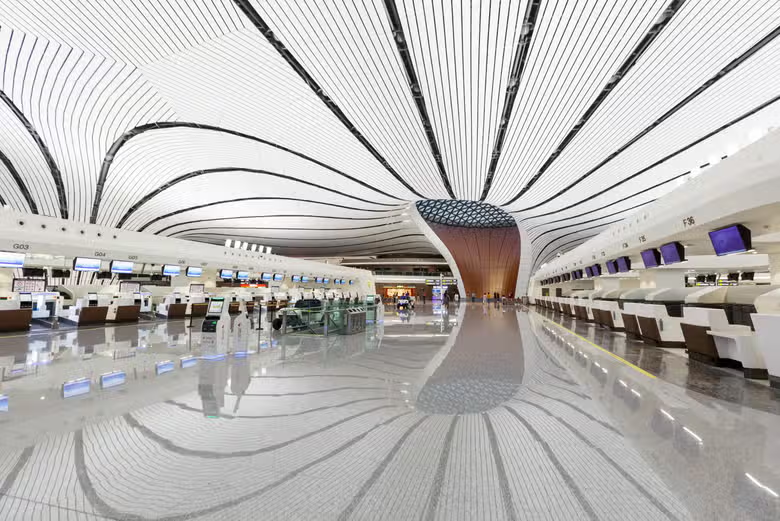
- The single terminal building is ~700,000 m², designed by Zaha Hadid Architects with a central atrium and short walking distances.
- The initial phase was built with four runways, with long-term planning allowing additional runways and capacity expansion.
- The official operator portal provides PKX passenger guidance and services.
9. George Bush Intercontinental Airport (IAH), United States
George Bush Intercontinental Airport in Houston spans 44.5 square kilometres, supporting five terminals and major cargo operations. Land use planning incorporates aircraft maintenance, operational zones, and commercial parks.
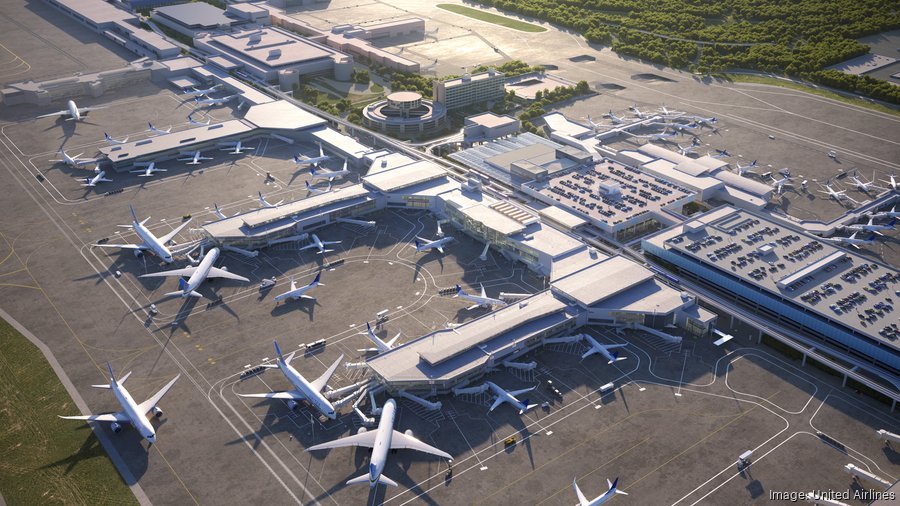
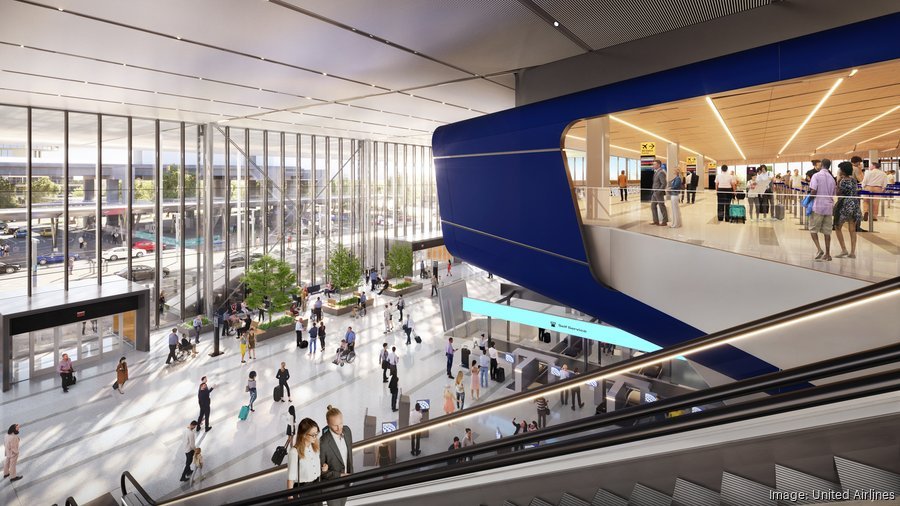
IAH’s layout positions it as a critical freight gateway for the southern US, and its airport campus incorporates hotels, conference facilities, and commercial districts to support aviation and non-aviation business.
Quick Glimpse:
- Land area: 44.5 sq. km.
- 5 terminals, maintenance centres, cargo facilities.
- Hotels and conference infrastructure.
- Major US southern region hub.
- Five runways and a state-of-the-art cargo centre; airside Skyway and landside Subway connect all terminals (and the on-airport Marriott).
- The IAH Terminal Redevelopment Program (ITRP)—the airport’s largest capital program—includes the new Mickey Leland International Terminal (D-West Pier); program completion is scheduled around 2025.
- Terminal B Transformation (United) adds ~40 new gates and major lobby/baggage upgrades.
10. Shanghai Pudong International Airport (PVG), China
Shanghai Pudong International Airport covers 40.0 square kilometres, offering terminals at the edge of the Yangtze River Delta and vast logistics complexes. Its infrastructure includes business clusters, hotels, and maintenance zones.
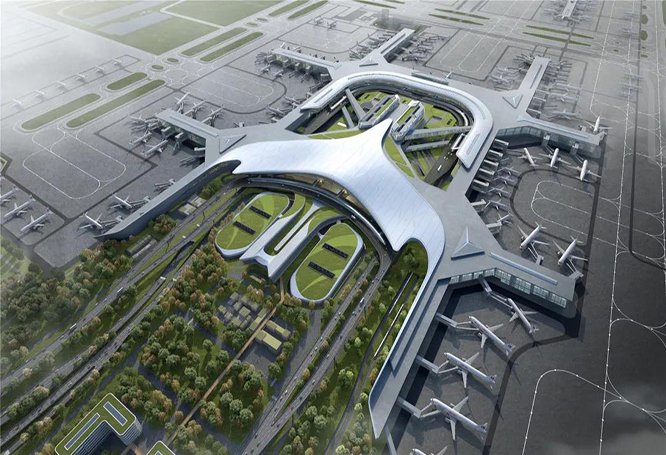
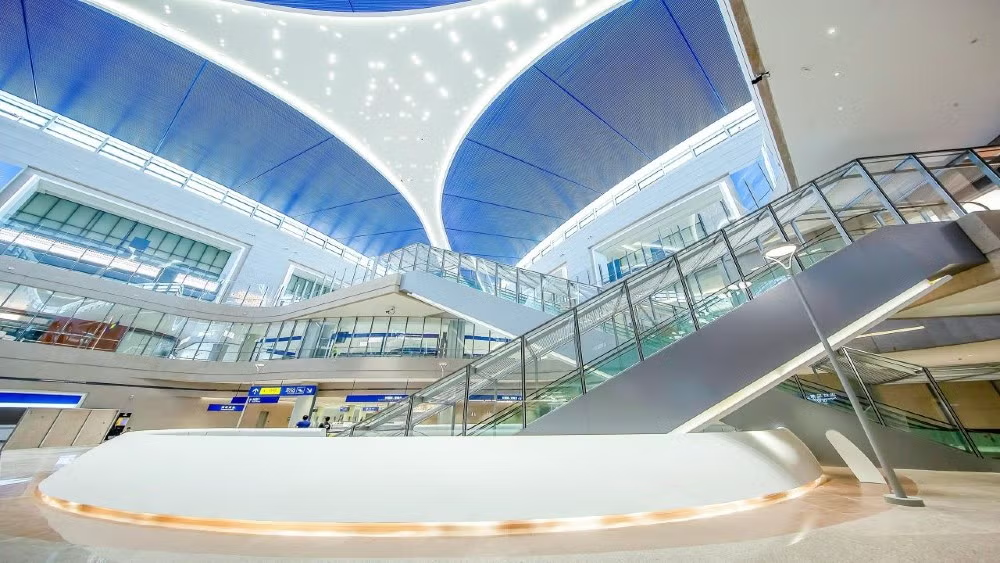
The airport’s capacity for future expansion has made Pudong a major hub for China’s cargo, passenger, and e-commerce operations, supported by a dedicated airport city plan for ongoing urban development in the region.
Quick Glimpse:
- Land area: 40.0 sq. km.
- Multiple terminals, logistics, cargo, and business clusters.
- Hotels, conference facilities, and maintenance centres.
- Designed for long-term regional expansion and growth
- The world’s largest Satellite Terminal complex (S1/S2) opened on September 16, 2019, adding ~622,000 m² of gates and lounges connected via underground APM to T1/T2.
- Shanghai Airport Group provides passenger guides, maps and service details for PVG’s terminals and transport links (metro, Maglev, buses).
Each of these airports exemplifies modern aviation infrastructure and strategic planning, showcasing how large land areas enable operational efficiency, commercial development, and room for future expansion.
Also Read: Airports and multi-modal transport hubs