













- U.S. tariffs have increased costs and prompted freight forwarders to explore market diversification and faster shipping options like air freight to maintain competitiveness.
- Uncertainty and fluctuating trade policies have led freight forwarders to adopt cautious strategies, with many waiting to see how tariffs will evolve before making major operational decisions.
- Despite short-term disruptions, Indian air cargo freight forwarders are leveraging strategic resilience and market advantages to position themselves for long-term growth amid volatile U.S. trade policies.
If there was one word that resonated at the recent IATA AGM 2025 (Delhi, June 1-3, 2025), it was “tariffs”. Creeping in often in sessions and round table discussions – often surreptitiously – the effect of U.S. President Donald Trump’s tariffs has affected global business and aviation.
Indeed, India’s freight forwarding industry and exporters are currently navigating turbulent waters as the impact of U.S. tariffs continues to ripple through trade corridors. Despite reassurances from the Federation of Indian Export Organisations (FIEO), which emphasized that India remains comparatively better positioned than some other nations, the tangible effects are unmistakable and growing more pronounced.
From 2021-22 through 2023-24, the United States has cemented its status as India’s largest trading partner, accounting for approximately 18% of the country’s total goods exports. Key sectors such as pharma, jewellery, precious and semi-precious stones, ready-made garments, and telecom equipment have all been significantly impacted. In terms of imports and bilateral trade, the U.S. holds a 6.22% and 10.73% share, respectively, underscoring its critical role in India’s export ecosystem.

Rajen Bhatia, a veteran forwarder and Director of the Mumbai-based Tulsidas Khimji, pointed out that “the recent imposition of US trade tariffs is having a nuanced effect on India’s air cargo export-import (EXIM) landscape, presenting a blend of challenges and strategic opportunities for the industry”. Airlines, he said, were really not affected by the tariffs currently as cargo volumes have not dropped — “only valuables shipments volumes have dropped on certain airlines.”
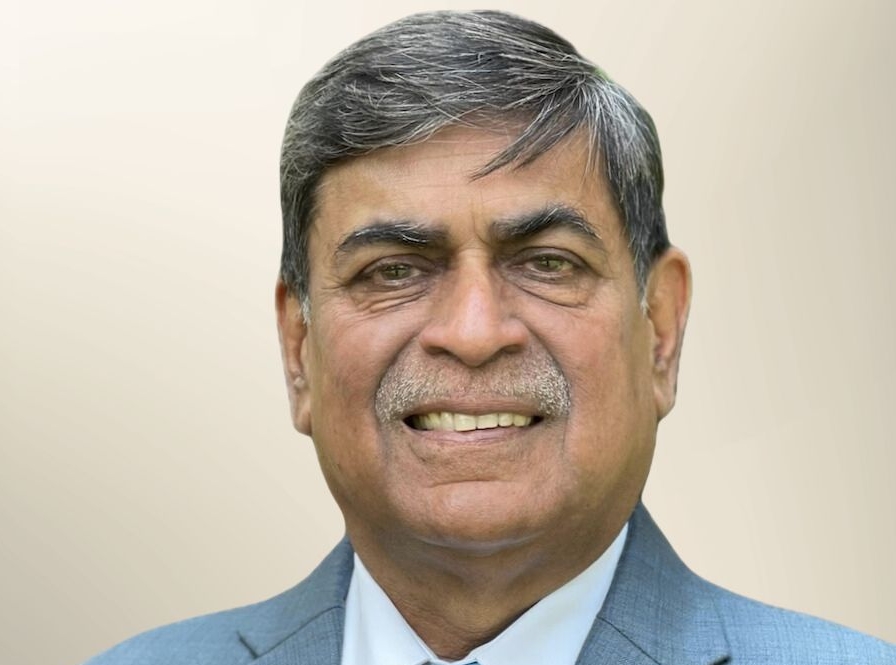
C K Govil, a veteran freight forwarder and President of the Air Cargo Agents Association of India (ACAAI), highlighted the current uncertainty clouding the logistics sector. “The freight and logistics industry is navigating a period of heightened unpredictability,” he stated. “The interplay of new tariffs, retaliatory measures, and evolving trade policies is reshaping global supply chains. Stakeholders must remain informed, adaptable, and prepared to recalibrate strategies as the situation unfolds.”
Govil further noted that freight carriers across trucking, ocean, and air modes were experiencing a downturn, with projections indicating up to a 15% decline in cargo volumes at major U.S. ports. This contraction has caused fluctuations in freight rates, prompting many forwarders and shippers to adopt a cautious ‘wait-and-see’ approach. The 90-day pause on most tariffs introduced by President Trump has provided temporary relief, allowing businesses to monitor developments before making significant operational decisions.

Afzal Malbarwala of Mumbai-based Galaxy Freight reported that the U.S. increased tariffs on Indian exports to 26%, effective April 5, 2025, with full enforcement that started on April 9, 2025. This escalation affected over 3,000 products, spanning industries such as chemicals, minerals, fuels, and rare metals. However, Malbarwala noted some exceptions—certain items like copper, specific aluminium grades, bauxite, fluorspar, graphite, and Active Pharmaceutical Ingredients (APIs) are exempt from this tariff hike.
India is already feeling the pinch. The impending end of the 90-day tariff suspension on July 9 looms as a “hanging sword” for exporters. Industries like electronics, gems and jewellery, apparel, and footwear are actively strategising to move cargo before the deadline. While carrier rates have remained stable thus far, the possibility of future hikes remains, prompting many shippers to turn to air freight for faster deliveries despite higher costs.
Despite these challenges, Malbarwala remains optimistic. He pointed out that even with a 26% tariff, India retained a competitive advantage over major rivals such as China (34%) and Vietnam (46%), giving Indian exporters an 8% to 20% pricing edge. This advantage is crucial in sectors like textiles, processed foods, and speciality chemicals, helping India sustain or even grow its market share in the U.S.

Shesh Kulkarni, Managing Director – India of Noatum Logistics, offered a reassuring perspective. “India has strong leadership and a pragmatic approach,” he affirmed. “The government has managed recent challenges effectively, maintaining a focus on objectives that benefit both the US and India, creating a win-win scenario.”
Kulkarni emphasised the importance of a long-term outlook for Indian businesses. “Short-term impacts are inevitable, but in the long run, Indian shippers and freight forwarders are well-positioned to withstand these course corrections,” he asserts. His confidence lies in India’s resilience and strategic positioning, which he believes will ensure minimal long-term disruption.
Echoing him was Rajen Bhatia, who mentioned that while “uncertainty around tariff policies has been creating volatility in global demand patterns, affecting key stakeholders including freight forwarders, cargo handlers, and exporters”, it has led to “a shift in market focus by some exporters, who are increasingly looking to diversify into non-U.S. destinations. Such redirection of trade flows could impact air cargo routing and lead to a decline in the volume of shipments bound for the United States.”
As India’s freight and export sectors brace for ongoing shifts in U.S. trade policies, the industry remains cautiously optimistic. Strategic agility, competitive pricing, and strong leadership are guiding Indian businesses through turbulent times, with many looking beyond immediate hurdles toward long-term growth and resilience in the global marketplace.