














UDAN at Nine: India’s Regional Connectivity Milestones and Misses

- India’s UDAN scheme, launched in 2016, has operationalised 649 routes and connected 93 airports, 15 heliports, and two water aerodromes, facilitating over 1.56 crore passengers across 3.23 lakh flights.
- Despite ₹4,300 crore in Viability Gap Funding and significant airport upgrades, many revived airports remain underused, with only a handful of short, high-density routes sustaining operations beyond initial concession periods.
- As UDAN enters its next decade, experts stress a shift from subsidy-led expansion to data-driven viability, improved oversight, regional airline capacity-building, and integrated multimodal connectivity to ensure enduring success.
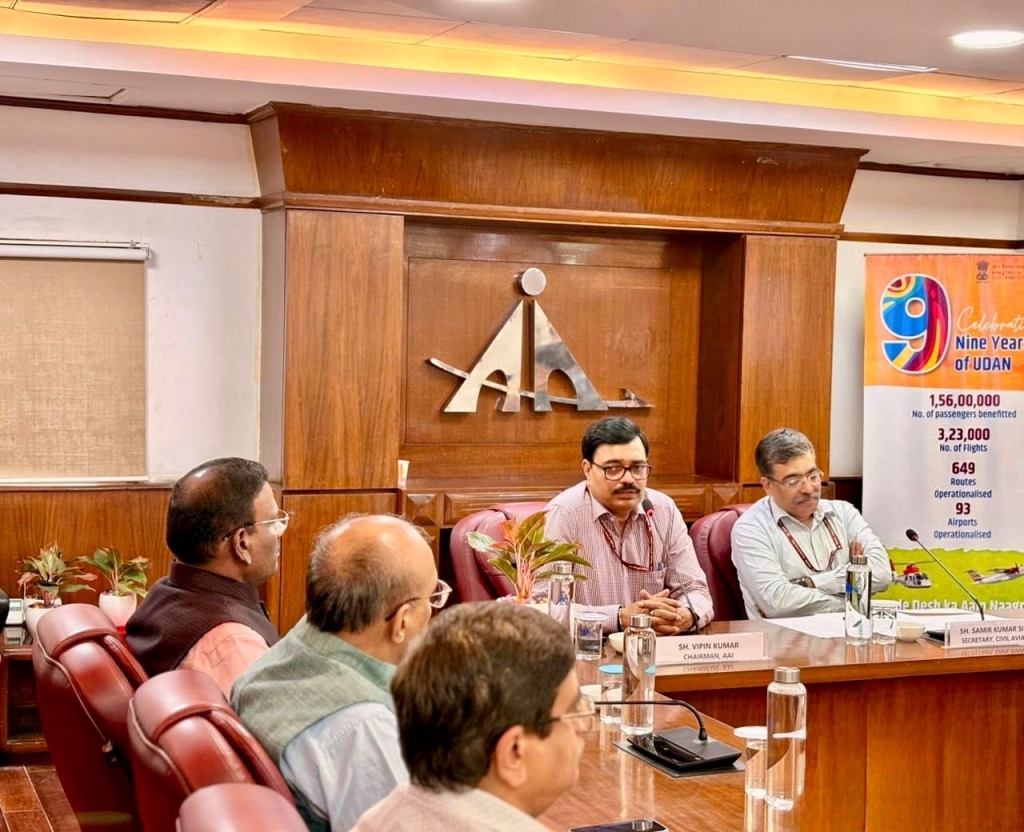
Photo: AAI
Launched on 21 October 2016 under the National Civil Aviation Policy, UDAN aimed to democratise aviation in India — to make flying affordable and accessible even for citizens in remote and underserved regions.
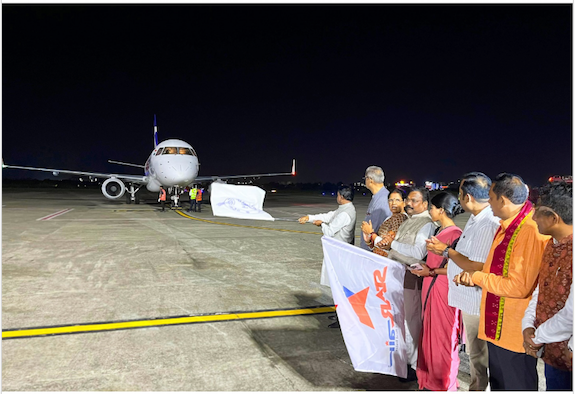
The first flight under the scheme took off on 27 April 2017 between Delhi and Shimla, symbolising the realisation of the “common man in slippers” boarding a “hawai-jahaz”.
Today, the government says 649 routes have been operationalised, connecting 93 unserved and underserved airports, along with 15 heliports and two water aerodromes, and that the scheme has facilitated over 1.56 crore passengers across some 3.23 lakh flights since inception. India’s operational airport count has more than doubled from 74 in 2014 to 159 by 2024.
For regions of the country that were hitherto bypassed by commercial aviation — smaller towns, remote hill states, islands, and less-connected districts — the scheme has delivered first-time connectivity, thereby opening up tourism, trade, and travel possibilities previously constrained by poor infrastructure and long transit times.
The Ministry has declared that more than ₹4,300 crore has been disbursed as Viability Gap Funding (VGF) to support airline operators and that roughly ₹4,638 crore has been invested in regional airport development under the programme.
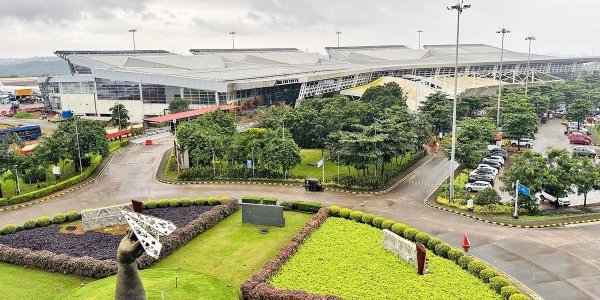
Official figures from the Airports Authority of India (AAI) record a substantial increase in operational aerodromes over the last decade. New terminals, runways, ATC upgrades and ground support at smaller aerodromes, along with basic passenger facilities, have been created in places that until recently had little or no scheduled air service.
Yet a close reading of utilisation statistics exposes a repeated pattern: several airports and heliports revived under UDAN remain underused or dormant, while a smaller set of routes and stations account for the bulk of passenger traffic.
The Lingering CAG Caveat
The Comptroller and Auditor General’s (CAG) performance audit of UDAN, tabled in 2023, pointed out that, up to the early phases of the scheme, roughly 52 per cent of awarded routes (403 of 774) had not commenced operations; of the routes that did start, only a minority completed their three-year concession period, and only a handful sustained operations thereafter.
The audit pointed to weaknesses in route selection, demand forecasting, cost-benefit assessment, and the absence of a systematic mechanism to identify genuinely viable airports and heliports. It also flagged under-utilisation of certain assets and recommended stronger feasibility assessment and oversight mechanisms.

Many airports revived under UDAN — for example, those in Sikkim or remote parts of Maharashtra and Uttar Pradesh — remain underused or dormant.
The routes that sustained operations tended to be short-sector, high-density corridors — for instance, Bengaluru–Hubballi, Hyderabad–Vijayawada, Delhi–Shimla, and Jabalpur–Pune.
Others in the North East and smaller states saw rapid suspension due to poor load factors and high operating costs.
State-wise Snapshot
Some states have been standout beneficiaries. Gujarat leveraged UDAN for intra-state routes, linking Bhavnagar, Kandla, and Porbandar with Ahmedabad. Odisha has seen regional airports in Jharsuguda, Rourkela, Jeypore, and Kalahandi become functional under the scheme. Karnataka became a model with Star Air’s successful non-metro network.
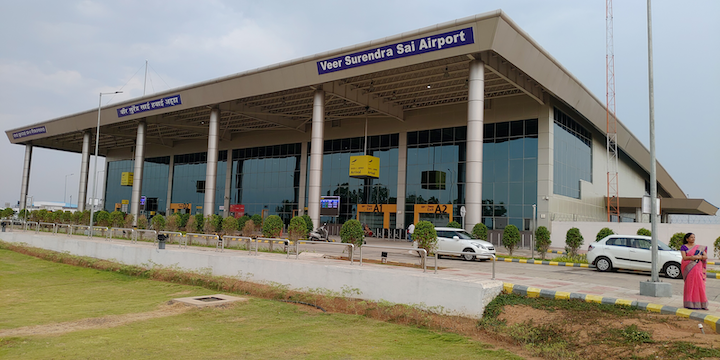
Conversely, states such as Punjab, Bihar, and Uttarakhand have seen minimal utilisation despite heavy investment. A geographic pattern is clear: southern and western states, with stronger industrial bases and tourism sectors, have sustained routes; northern and north-eastern states remain heavily dependent on continued VGF support.
How Finances and Fares Have Shaped Outcomes
UDAN’s financial architecture — centred on VGF paid to airlines to make short-haul fares affordable, concessions on airport charges, and the creation of a Regional Connectivity Fund financed through levies on certain domestic flights — was necessary to kick-start services on low-demand routes, but it also institutionalised a dependency that exposed routes to collapse when subsidies ended or when operating costs surged.
Capped fares, rising fuel and maintenance costs, sparse load factors, and short-term concessioning have combined to make many UDAN routes financially unviable once direct support is reduced.
The Fragile Ecology of Regional Carriers
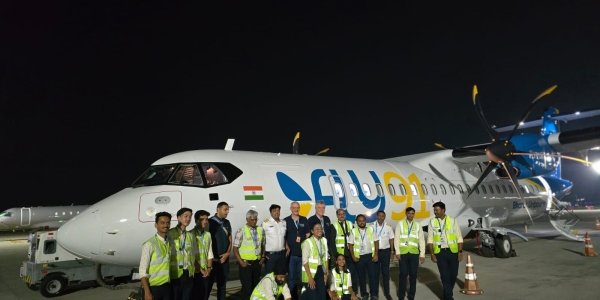
The early years of UDAN saw a proliferation of small and niche carriers — Zoom Air, Air Odisha, Air Deccan, TruJet, Star Air, Alliance Air, and FlyBig, among others — stepping into the regional market.
Over time, however, several of these operators ran into capital constraints, fleet and maintenance challenges, and thin yields on low-density routes; many either shut operations or withdrew from UDAN assignments. Nine out of nineteen operators awarded routes reportedly never commenced operations. By 2024, only three operators — Alliance Air, Star Air, and FlyBig — remained significantly active.
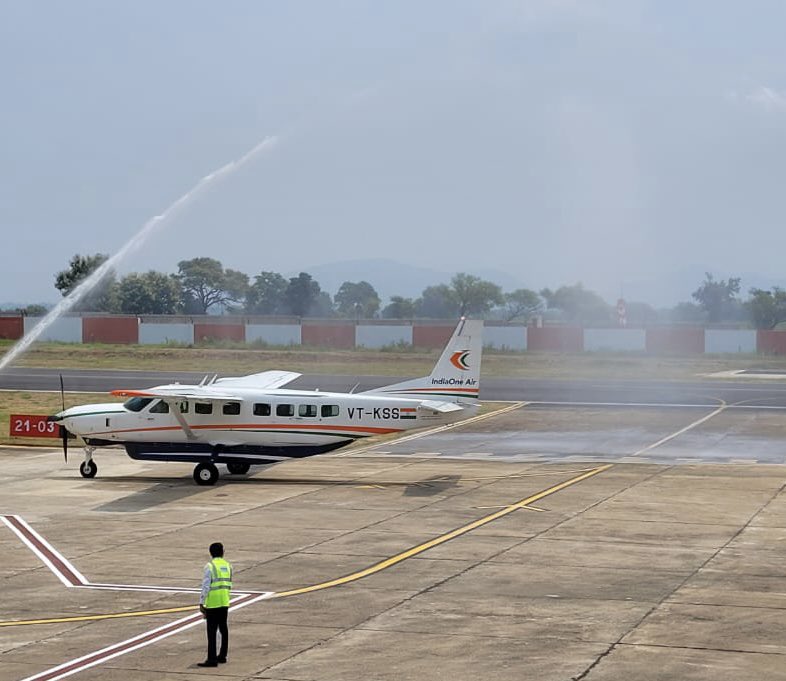
Fifteen airports built or revived under UDAN — such as Pakyong (Sikkim), Adampur, Pathankot, and Ludhiana (Punjab) — have fallen into disuse.
In many such cases, terminals are functional but lack scheduled airline operations.
The mismatch stems from over-optimistic projections, limited catchment populations, and the absence of surface connectivity to feed passengers into the air network.
While the AAI invested heavily in terminal and runway upgrades, utilisation at several sites remains below 20 per cent of design capacity. In contrast, successful UDAN airports like Jharsuguda and Belagavi have crossed annual passenger figures of over two lakhs, suggesting that targeted selection based on demand data yields better outcomes than blanket revival drives.
The result is a concentration of surviving activity among a shorter list of carriers that have been able to stitch together more viable networks or find operational synergies. This churn has created an adverse dynamic: if subsidies spur entry but do not accompany structured support for scale, maintenance networks, and access to leased aircraft, the initial burst of connectivity risks being ephemeral.
Airports built or upgraded under UDAN are sometimes stranded with no or minimal scheduled flights. Terminals built at destinations such as Kushinagar lie unutilised despite being ready. The gap between runway investment and routine connectivity underscores the importance of demand-side planning, not merely infrastructure supply.
The Unrealised Promise of Seaplanes
One of the CAG’s pointed observations concerned heliports and water aerodromes, many of which were identified on the back of operator proposals rather than through a systematic feasibility exercise; many remained under-utilised or saw operations discontinued.
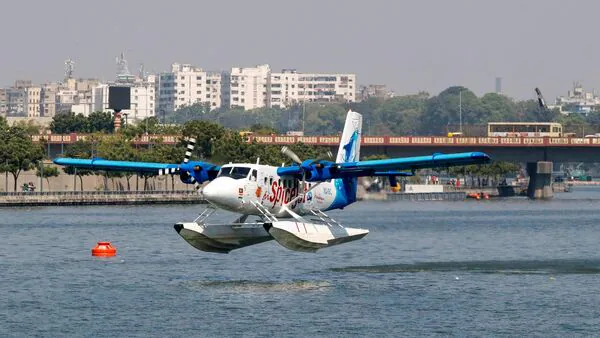
Despite India’s extensive coastline and riverine network, seaplane operations — such as the much-publicised Sabarmati–Kevadia route — were short-lived.
The Ministry has since sought to broaden UDAN’s scope — placing new emphasis on seaplanes, coastal and island connectivity, and helicopter services, and issuing NSOP guidelines for seaplane operations in 2024 — but the commercial and regulatory scaffolding for these modes is still nascent.
The MoCA and AAI have yet to establish robust frameworks for such services, though fresh tenders under UDAN 5.5 now focus on coastal and island regions.
The Road Ahead
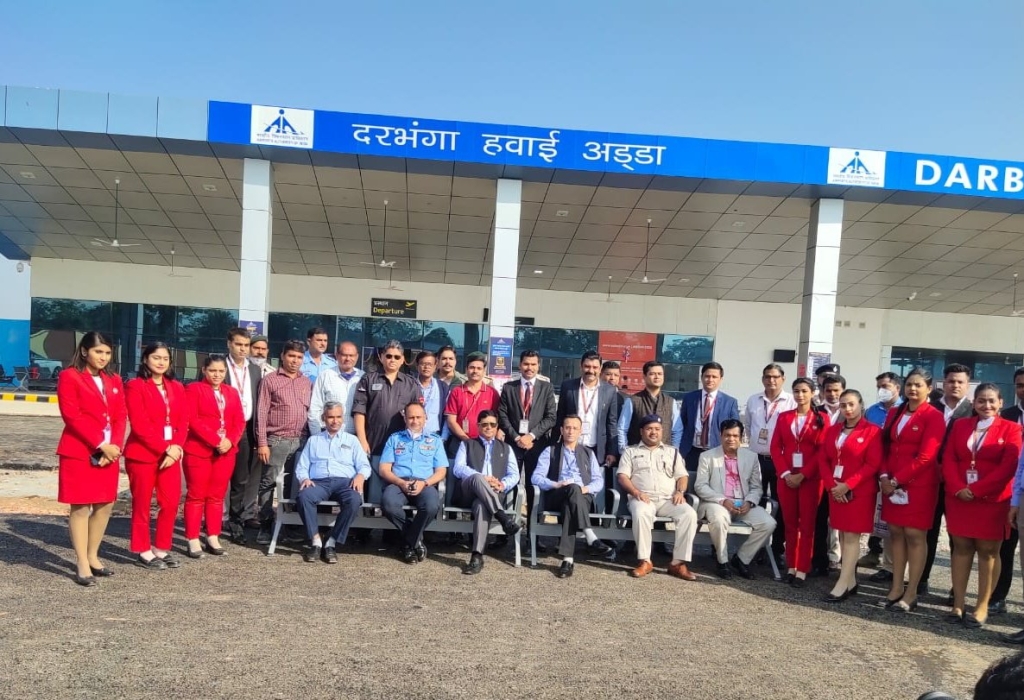
The extension of the scheme for a further decade provides an opportunity to recalibrate: rather than chasing large numbers of airports or routes, the strategy must prioritise viability, operational continuity, and integration with local economic ecosystems.
It calls for a deliberate shift from subsidy-driven connectivity to enduring market-driven operations, rigorous data-based route planning, integration of multimodal transport, private-sector engagement, more nuanced VGF instruments tied to performance and staged de-risking rather than open-ended subsidies; active involvement of state governments in last-mile feeder infrastructure; and a concerted effort to foster regional airline capacity beyond one-off bidding spurts.
In the months ahead, scrutiny should focus on three measurable aspects:
- Whether the Ministry publishes comprehensive, route-level survivorship data through 2024–25 that maps awarded routes to operational continuity;
- Whether newly emphasised modalities such as seaplanes and heliports move from tendering to durable operations;
- And whether VGF and fare-cap policy are recalibrated to reflect current operating costs rather than historical assumptions.
The combination of targeted infrastructure investment that follows demand, a strategic plan to cultivate solvent regional carriers, strengthened monitoring and independent audits, and the design of exit and handover protocols for routes that can transition to market mechanisms are among the practical steps that should follow.
Policymakers must prioritise continuity and accountability over the urge to display continually rising headline counts. Only then can India’s dream of making air travel truly commonplace reach cruising altitude. UDAN’s next chapter should script a model of viable, equitable connectivity rather than a case study in ambition outpacing execution.
Also Read: The Protection of Interests in Aircraft Objects Act to Save Indian Airlines $500 Million Annually