







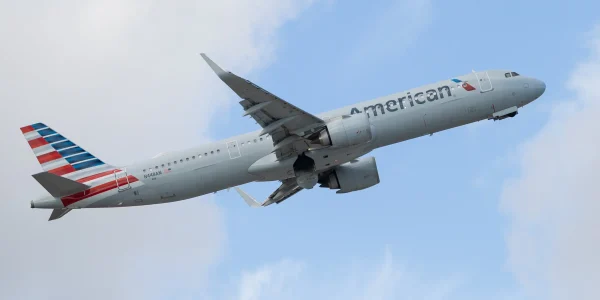





- The India-Pakistan and Russia-Ukraine conflicts disrupt airspace, increasing flight durations, costs, and security risks for airlines.
- IATA, representing 340 airlines, meets in New Delhi (June 1-3, 2025) to address safety, digitalisation, and sustainability amid global uncertainties.
- Air cargo demand rose 4.4% in March 2025, but digital adoption is slow; IATA’s ONE Record aims to streamline data by 2026.
These are uncertain times, indeed, and in any war anywhere, the civil aviation sector gets inadvertently drawn into this vortex, directly and indirectly. The latest is the India and Pakistan war, as the former launched ‘Operation Sindhoor’ targeting terror networks in Pakistan in response to the dastardly Pahalgam massacre of innocent tourists by terrorists. There is a pause in the war, but the airspace between the two countries remains disrupted.
Conflicts across the world are happening at regular intervals, adversely impacting the aviation sector. The Russia-Ukraine war continues into the third year; the crisis in West Asia is inconclusive; terrorism shows its ugly head regularly in different countries; climate change is for real; Net Zero seems a distant possibility and the latest, the trade tariffs missive of the US President Donald J. Trump. All of these have added to international woes.
Restricted Airspace Affects Airline Operations
Since the start of the Russia-Ukraine war, the total flights to, from, and within Europe weakened, and the Asia Pacific-Europe route was significantly impacted, with cargo flights falling by 19% year-on-year. Now, the Indo-Pak conflict has disrupted air cargo operations, wherein airlines from India and those on that flightpath have to take a detour to connect to the Middle East, Europe and North America, adding to flight duration and costs, besides running security risks.
It is in this background that the International Air Transport Association (IATA) is having its annual general meeting, alongside the World Air Transport Summit, in New Delhi from June 1 to 3, 2025. It is not going to be an easy ask for the IATA family to navigate through these turbulent times.
Undeterred, IATA continues in its journey of helping the 340-odd airlines which are its members and the sector to negotiate through such difficult phases, having been at it since its formation in 1945 with 57 airlines as its members then. IATA’s members carry 80% of the world’s air traffic, and there lies the challenges for IATA to work out solutions, policies and training to keep the sector going.
Working Together is the Mantra

The Director General of IATA, Willie Walsh, has aptly summed up the scenario: “Over the years, IATA has learned to meet both opportunities and challenges with solutions. And even in these uncertain times, there is no doubt that the more people connect, expand business, and experience the world through aviation, the better we will all be. That inspires IATA’s mission to represent, lead and serve the world’s airlines so they can be an even stronger force for good in our world.” It is a commendable job, and IATA needs to be further encouraged in its avowed vision of ‘Working together to shape the future growth of a safe, secure and sustainable air transport industry that connects and enriches our world.’
CTK Up, But Not Without Stumbling Blocks
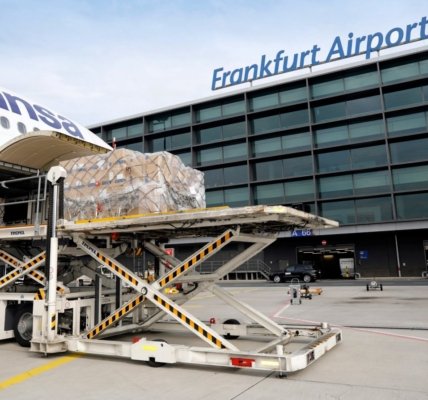
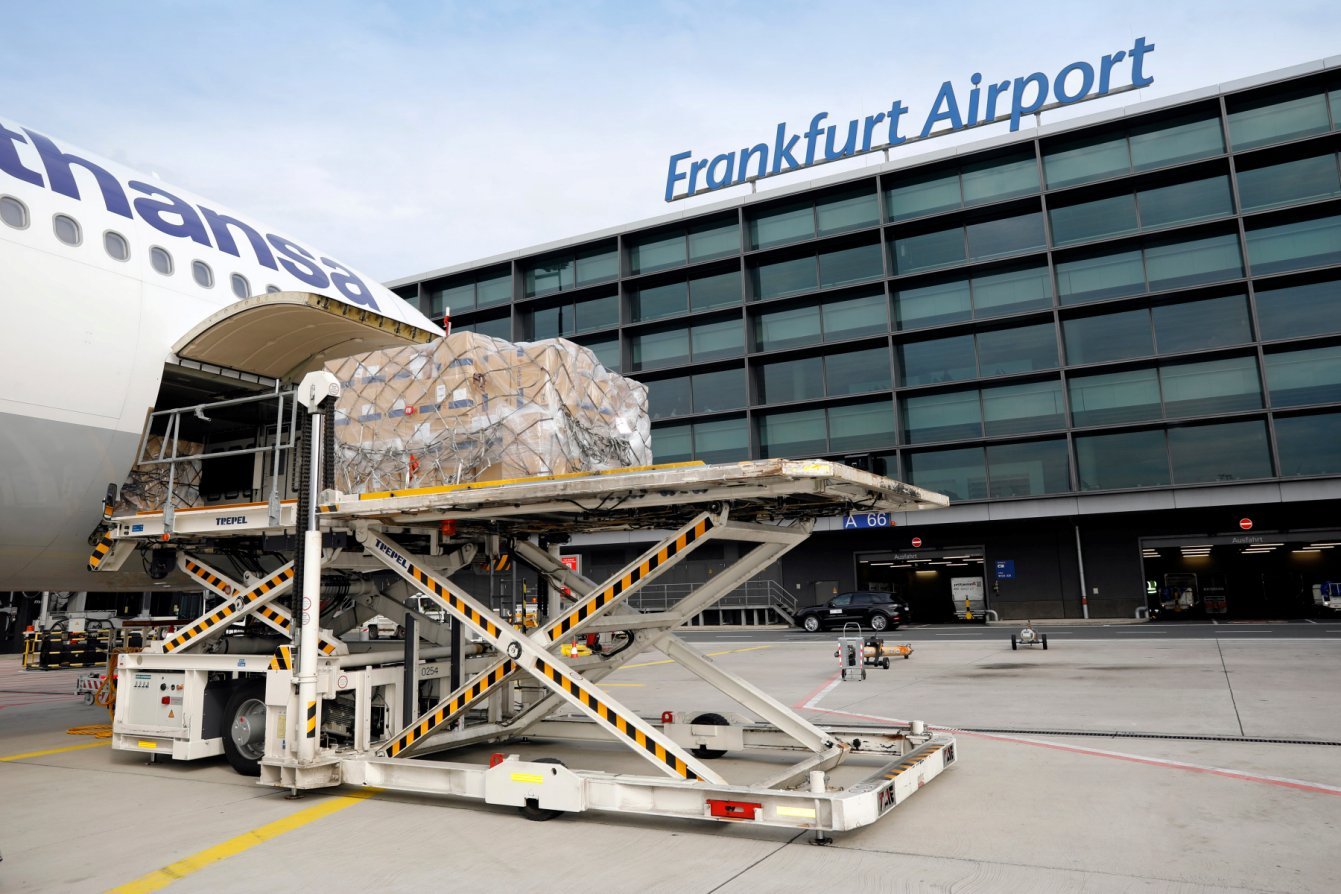
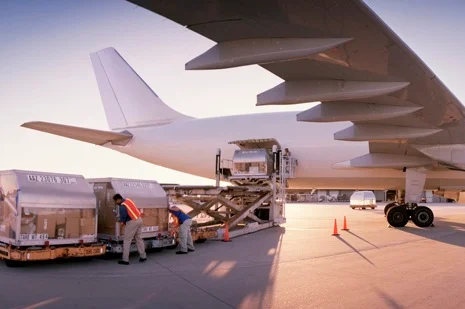
Specifically looking at the air freight segment, it has its own set of challenges and opportunities, though freight movement is on the rise. As per IATA data, in March 2025, the total demand, measured in cargo tonne-kilometers (CTK), increased by 4.4% compared to March 2024 levels (+5.5% for international operations), a historic peak for March.
“March cargo volumes were strong—it is possible that this is partly a front-loading of demand as some businesses tried to beat the well-telegraphed April 2 tariff announcement by the Trump Administration,” said Willie Walsh.
Uncertainty of Tariff War
“The uncertainty over how much of the April 2 proposals will be implemented may eventually weigh on trade. In the meantime, the lower fuel costs—which are also a result of the same uncertainty—are a short-term positive factor for air cargo. And, within the temporary pause on implementation, we hope that political leaders will be able to shift trade tensions to reliable agreements that can restore confidence in global supply chains.”
As of mid-May, the trade tensions between the United States and China eased a bit following an agreement to drastically reduce tariffs for 90 days, de-escalating a tariff war that has upset financial markets and the looming global economic downturn.
E-commerce Holds More Promise
Despite trade tensions, the growth in e-commerce looks set to continue, bringing a host of opportunities for air cargo. E-commerce averages about 20% of cargo business industry-wide but is expected to grow to at least a third of all cargo shipments. By 2027, e-commerce is expected to be an $8 trillion market segment.
Meeting the needs of air cargo customers

“Whether supporting global trade, enabling e-commerce, or delivering vital humanitarian aid, the value of air cargo has never been clearer. To meet customer expectations and navigate an increasingly complex environment, the air cargo industry must continuously strengthen safety and security, fast-track digitalisation, and deliver on its sustainability commitments,” said Brendan Sullivan, IATA’s Global Head of Cargo.
The first and foremost challenge before airlines is safety of passengers and cargo, alike, even as international geopolitical tensions seem to be on the rise. In air cargo, the priority is to ensure safe handling and transporting of dangerous goods, one of which is lithium batteries which are so much in demand worldwide as they are used in smartphones, electric vehicles and more.
Efforts to stop ‘rogue shippers’
IATA has called on governments to step up efforts to stop rogue shippers and support ICAO’s work to strengthen Annex 18 of the Chicago Convention—the global framework for the safe transport of dangerous goods by air.

“Shipments of lithium batteries are growing in volume. With that comes increased risks associated with undeclared or mis-declared goods. The industry has invested in training, certification, and technology. Governments must match that commitment with robust oversight and enforcement,” said Sullivan, underlining the significance of harmonised responses based on global standards.
The challenge before airlines and IATA which represents them is the critical coordination with governments which have intelligence and other resources to deal with security issues. In fact, IATA has renewed its call to governments to fulfil their Annex 17 obligations by sharing timely and accurate threat intelligence to enable informed risk assessments and operational decisions.
“The industry is best placed to understand its operations and the associated safety and security risks. But governments have infinitely more resources, particularly in intelligence gathering. The best results come when governments and industry work together,” said Sullivan.
Cargo Sector Laggard in Digital Adoption
Unlike the passenger segment, where digitisation is transforming the way people travel, the air cargo segment is lagging behind, though post-pandemic digital adoption has picked up pace, but not enough. The complexity of the air cargo sector, where goods of all kinds (perishables, dangerous goods, documents, out-sized, live animals, etc.) need to be transported safely and securely and on time, is quite a challenge. Yes, digitalisation streamlines processes, improves efficiency and helps track goods, but then there are several stakeholders (freight forwarders, logistics operators, ground handlers, customs, airports, airlines, etc) and integrating them into the digital journey is the challenge.
Who will foot the bill?
One of the contentious issues is who is going to foot the digitalisation bill, will it be the airlines or the freight forwarders or the shippers? If digitalisation has to move forward, the expense has to be borne by the sector as it benefits all, and if IATA can guide the shared concept, implementation will become easier. As such, the sector has started seeing the benefits, and some are publicising the outcomes. For instance, Qatar Airways Cargo reportedly gets over a third of its bookings from digital channels as eBooking drastically reduces timelines, which otherwise may take two or more days.
ONE Record, Simplified Data Exchange
IATA has introduced ONE Record as the industry’s standard for end-to-end digital data exchange, supporting improved efficiency, compliance, and transparency. The industry’s goal is clear: by January 2026, ONE Record will become the preferred method of sharing data.
To accelerate industry adoption, IATA has urged:
- Airlines and forwarders to move forward with implementation.
- Governments to recognise ONE Record in regulatory data filing requirements.
- Developers to build secure, open, and compatible digital platforms.
“ONE Record is a foundational shift in how we share, manage, and trust data across the supply chain. Airlines representing 72% of global air waybill volume are on track to implement it. More than 100 IT providers and 10,000 freight forwarders are already aligned. To achieve full value, implementation must accelerate across all stakeholders, and governments must recognise ONE Record in their regulatory frameworks,” said Sullivan.
Going Ahead, Sustainability Becomes Key
IATA is going to be seized of this matter when they meet in New Delhi as one of the aspects of sustainability – Net Zero – may not be realised by 2050, the set date, even as stakeholders are working on the prohibitive sustainable aviation fuels (SAF). For the air cargo segment, the challenge is beyond SAF, as cargo packaging is an area that needs attention. Innovation in packaging, lightweight materials, recyclable material, automation, etc, are happening but need to gather momentum. There is IATA guidance to eliminate single-use plastics across the cargo supply chain, and cargo operators have to work on this consciously.
IATA Emphasis on Training, Research and Innovation
IATA Training has worked with external and internal industry experts to design a training programme that will help companies equip their employees with the knowledge, skills, and tools to address environmental sustainability issues such as noise, waste, wildlife trafficking, carbon emissions, and technological innovations.
IATA has designed three levels of diploma to help individuals start or develop their professional careers in environmental sustainability. The range of topics varies from how to design a sustainability strategy to sustainable alternative fuels, carbon markets, and environmental management systems.
Transformative Accreditation Programme
IATA is constantly working on improving efficiencies in air cargo operations, and the Cargo Agency Programme has been a transformative one, wherein it has accredited over 12,000 cargo agency offices across 85 countries, bringing credibility and professionalism to the workings of both the airlines and agencies. An IATA CASS Associate has access to IATA’s Cargo Accounts Settlement System (CASS), which the air cargo industry has designed for the air cargo industry. CASS drives costs down by simplifying the billing and settling of accounts between airlines and freight forwarders using an advanced, global, web-enabled e-billing solution. It is already being processed in over 90 countries, serving over 250 airlines, general sales and service agents (GSSAs), and ground handling companies. The CASS on-time settlement rate is 100%, a commendable achievement, more so because the traditional paper-based invoicing is disposed of.
IATA has done a lot, and a lot still needs to be done, even as the aviation sector’s complexities increase with more planes in the skies. While sustainability, digitalisation, training, innovation, etc., are happening in the sector with IATA being the guiding factor, there, however, remains the issue of protecting civil aviation, including airport and air navigation infrastructure, during times of conflict.
Walsh’s statement of last year rings loud and clear “We all want to live in a world at peace. Sadly, today, that is far from reality for many people. That is why it is necessary to remind all involved in conflict of the need to ensure that flights are safe and that critical airport and air navigation infrastructure is not targeted in any hostilities.” Though the ground realities are different, the aviation community should not lose hope and continue to engage with the powers that be.