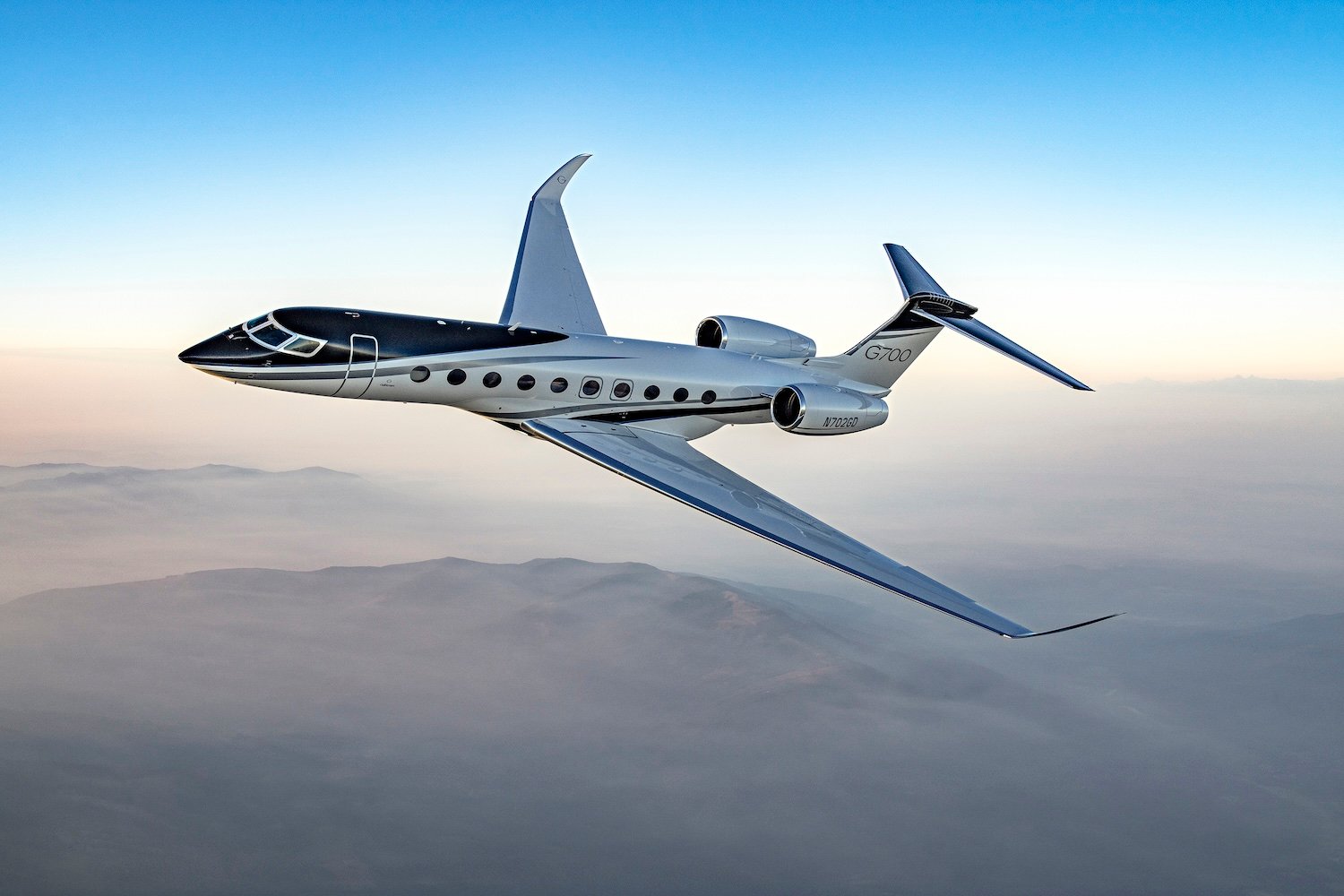













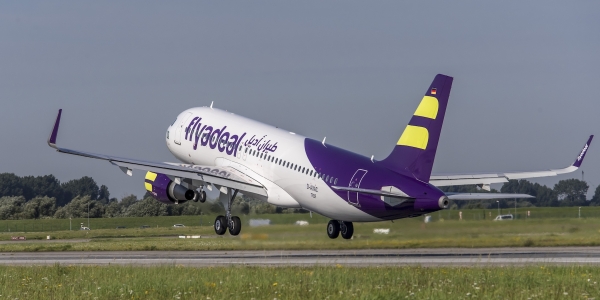


- The weight of an aeroplane varies widely: small planes weigh 600–1,400 kg, narrow-body jets 40,000–90,000 kg, wide-body jets 120,000–300,000 kg, and cargo planes up to 400,000 kg.
- Key weight terms include empty weight (aircraft alone), payload (passengers and cargo), fuel weight, and maximum takeoff weight (MTOW), which determines safe flight limits.
- Aircraft weight affects takeoff speed, fuel consumption, range, and safety, and modern engineering ensures even very heavy planes can fly efficiently.
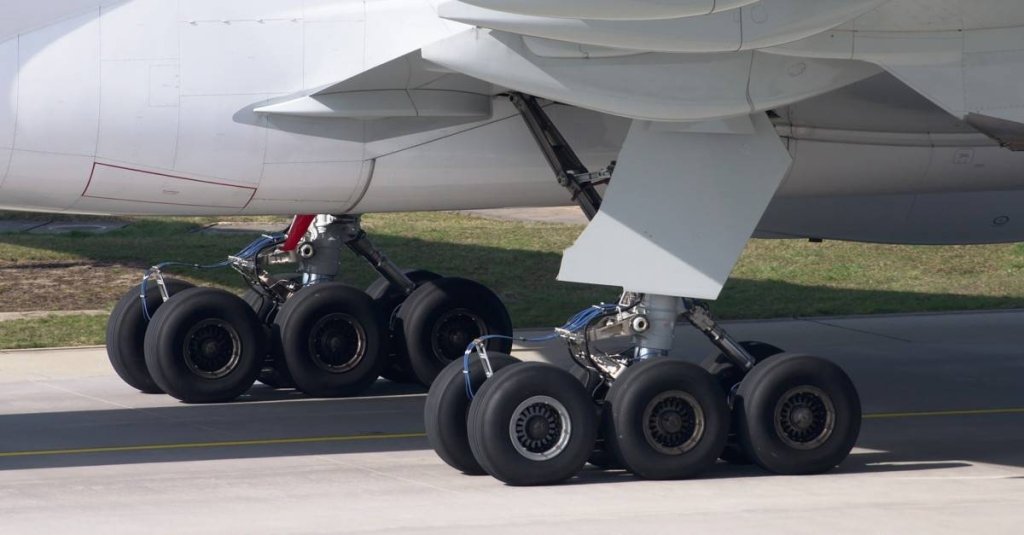
The weight of an aeroplane is one of the most important factors in aviation. It affects how fast an aircraft can take off, how much fuel it burns, how high it can fly, and how far it can travel. Many people ask a common question: what is the weight of an aeroplane in kilograms?
The answer depends on the type, size, and purpose of the aircraft.
What Does “Weight of an Aeroplane” Mean?
In aviation, aircraft weight refers to how heavy the aeroplane is at different stages of flight. This includes:
- The aircraft structure
- Engines and systems
- Fuel
- Passengers and baggage
- Cargo
Pilots and engineers carefully calculate weight before every flight to ensure safety.
Average Weight of Different Types of Aeroplanes
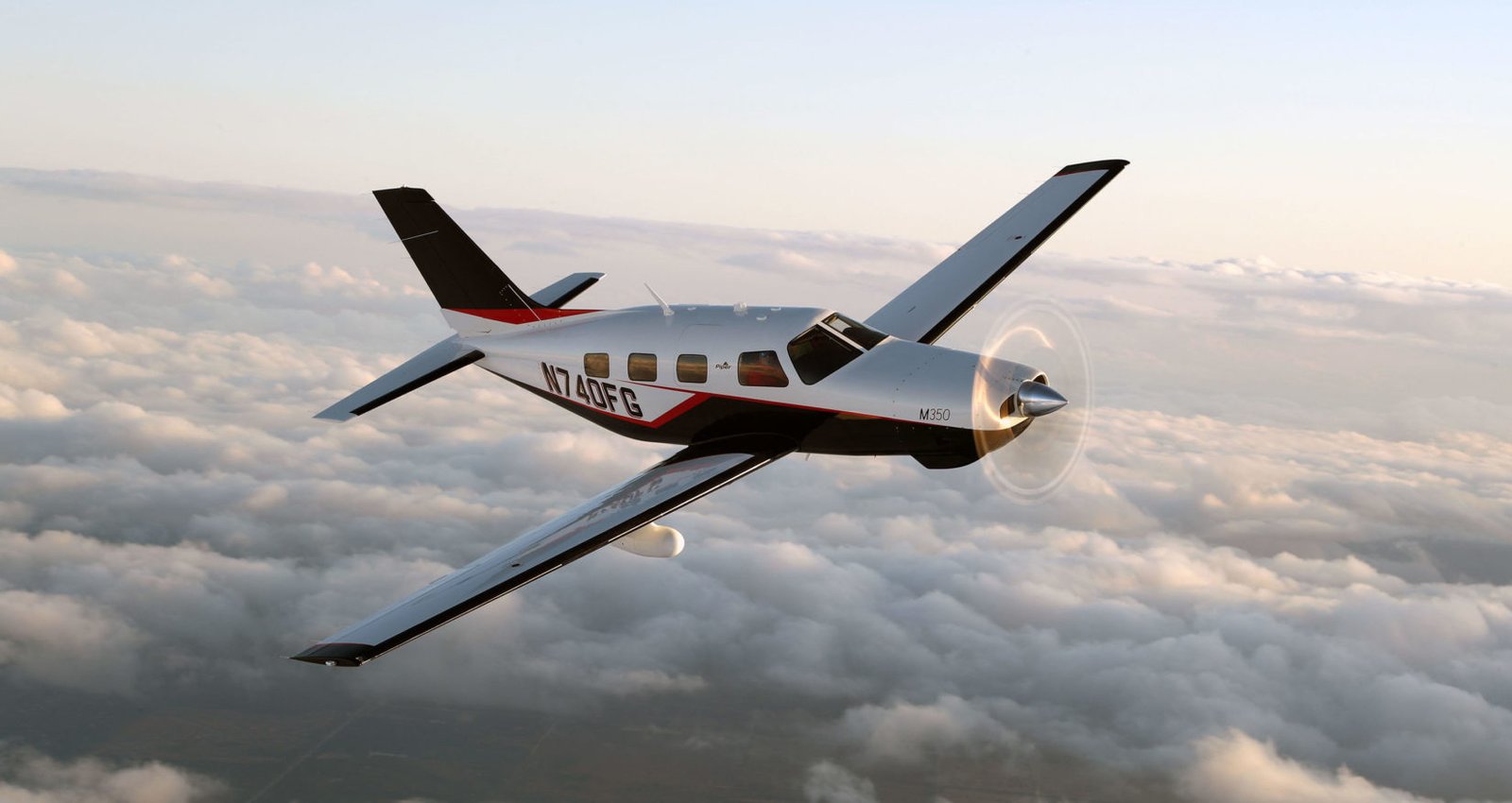
Small Aeroplanes
Small training or private aeroplanes are the lightest.
- Empty weight: 600 kg to 1,000 kg
- Maximum takeoff weight: 1,100 kg to 1,400 kg
These aircraft usually carry 2 to 4 people and have limited fuel capacity.
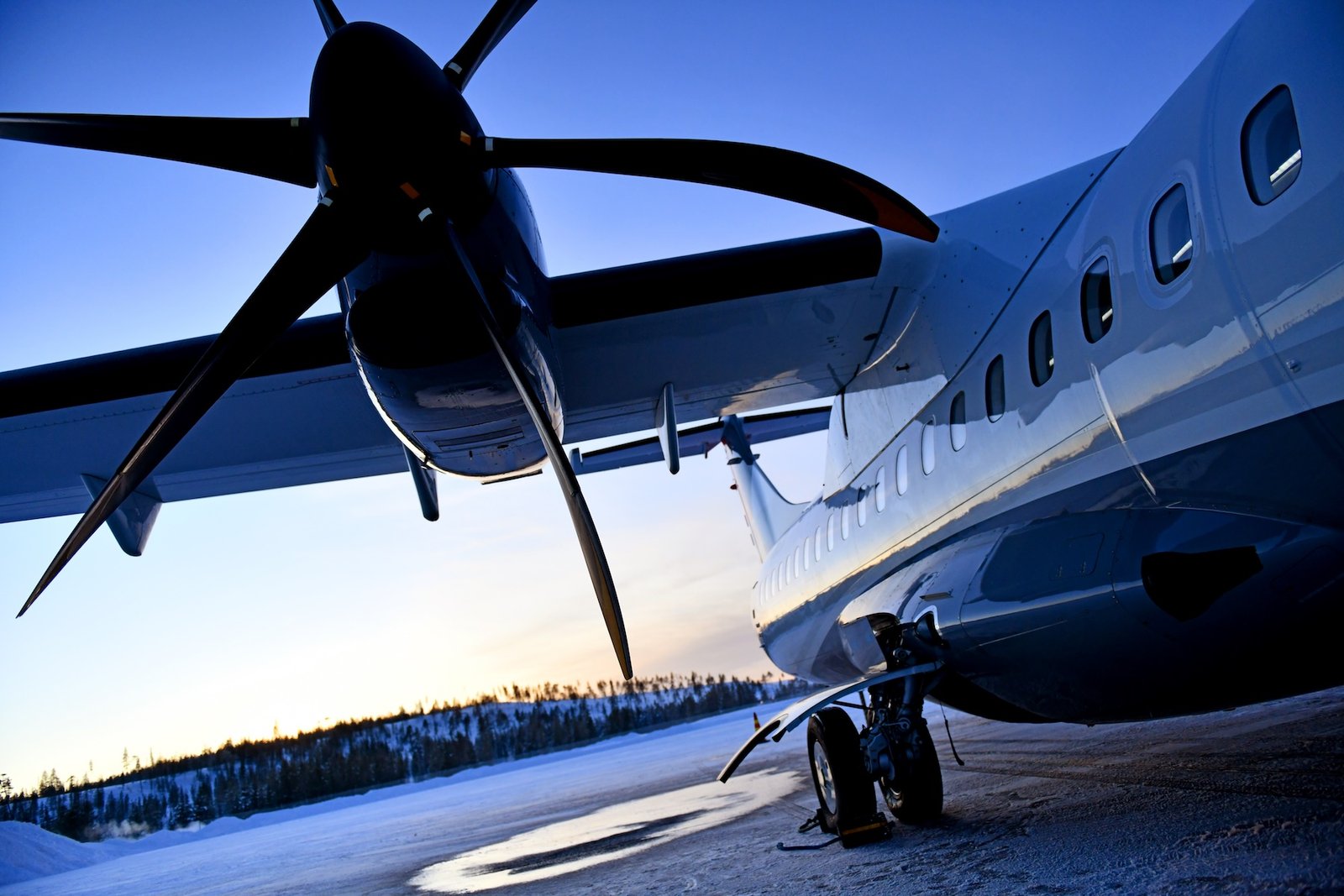
Commercial Passenger Aeroplanes
Commercial jet aircraft vary widely in weight depending on size.
Narrow-Body Aircraft (Single Aisle)
Examples include common short- and medium-range jets.
- Empty weight: 40,000 kg to 50,000 kg
- Maximum takeoff weight: 70,000 kg to 90,000 kg
These aircraft typically carry 150 to 200 passengers.
Wide-Body Aircraft (Twin Aisle)
Large long-haul aircraft are much heavier.
- Empty weight: 120,000 kg to 140,000 kg
- Maximum takeoff weight: 250,000 kg to 300,000 kg
They can carry over 300 passengers and large amounts of fuel.
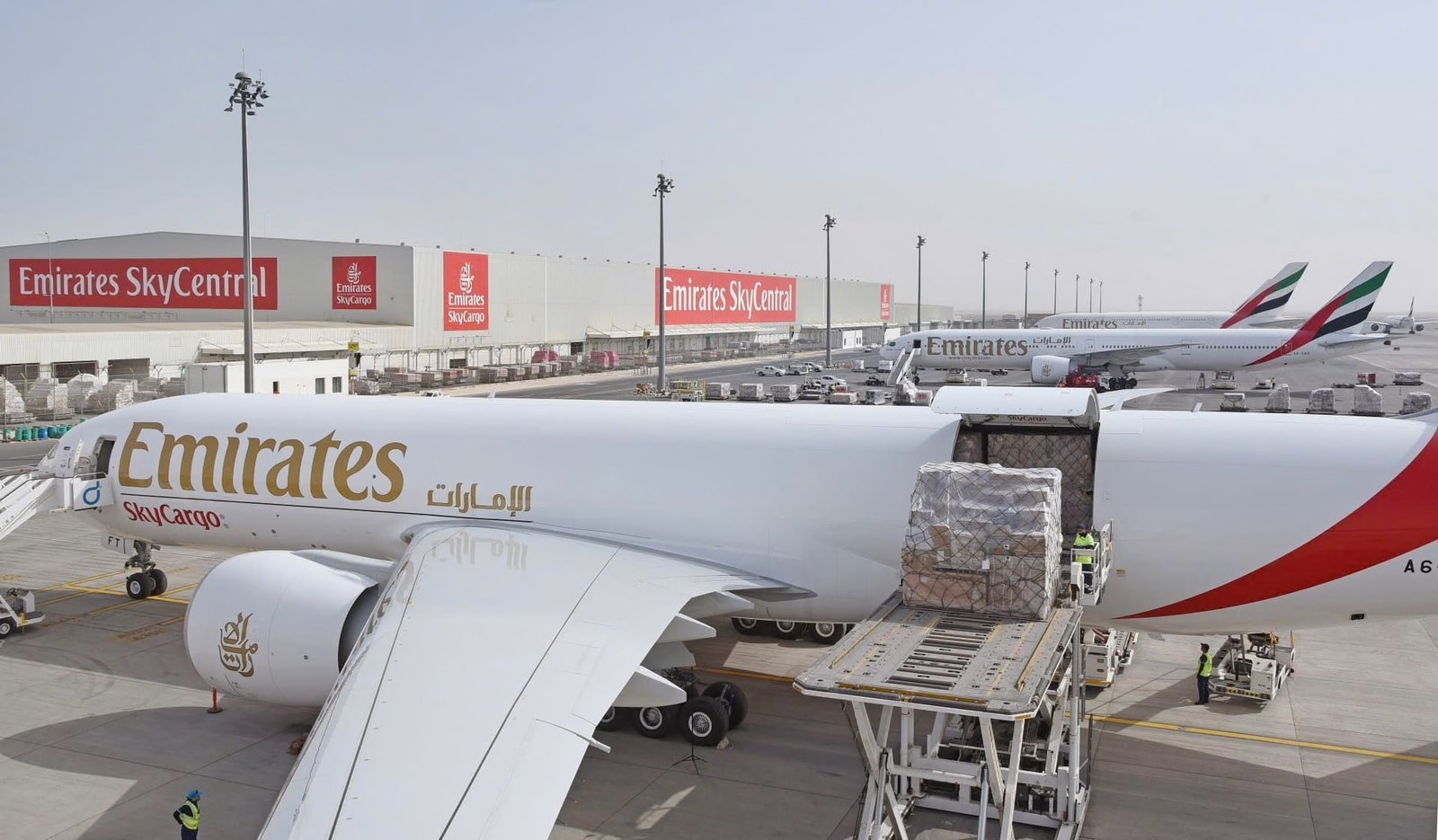
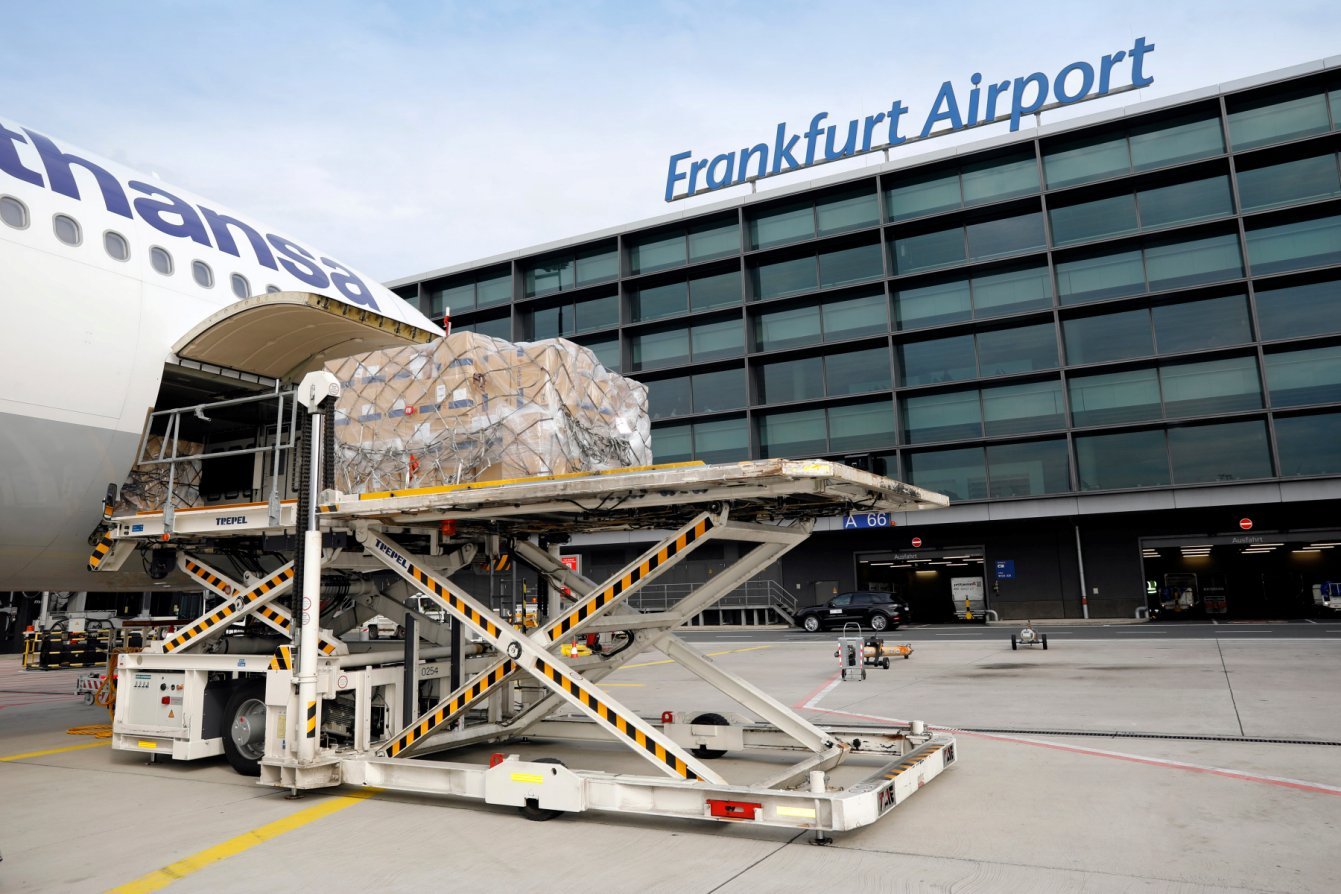
Cargo Aeroplanes
Cargo aircraft are designed to carry heavy loads.
- Empty weight: 150,000 kg or more
- Maximum takeoff weight: Up to 400,000 kg
These aeroplanes have reinforced floors and powerful engines to handle heavy freight.
Important Weight Terms in Aviation
Empty Weight
The weight of the aircraft without fuel, passengers, or cargo.
Payload Weight
The combined weight of passengers, baggage, and cargo.
Fuel Weight
Fuel can weigh tens of thousands of kilograms in large aircraft.
Maximum Takeoff Weight (MTOW)
The maximum allowed weight at which an aircraft can safely take off. Exceeding MTOW is unsafe and illegal.
Why Aircraft Weight Matters
Aircraft weight directly affects:
- Takeoff speed: Heavier planes need higher speed to lift off
- Fuel consumption: More weight means more fuel burn
- Range: Heavier aircraft may not fly as far
- Safety: Proper weight balance is critical for control
Before every flight, pilots calculate the exact weight to ensure it is within safe limits.
How Do Heavy Aeroplanes Fly?
Even though aeroplanes can weigh hundreds of thousands of kilograms, they fly because:
- Wings generate lift as air flows over them
- Engines provide powerful thrust
- Aircraft are carefully designed for weight distribution
Modern engineering makes it possible for extremely heavy aeroplanes to take off and fly safely.
Conclusion
So, what is the weight of an aeroplane in kg?
It can range from less than 1,000 kg for small planes to over 300,000 kg for large commercial and cargo aircraft. Aircraft weight plays a vital role in flight performance, fuel efficiency, and safety.
Understanding aircraft weight helps explain why aviation requires precise planning and advanced engineering.