















- India hosts the 81st IATA AGM in New Delhi from June 1-3, 2025, showcasing its aviation growth.
- Hosted by IndiGo, the AGM will draw 1,500+ delegates to discuss sustainability and India’s aviation policies.
- The AGM enhances India’s global aviation stature, driving economic benefits through tourism and MICE sectors.

Next week, from June 1 to 3, 2025, India will host the 81st Annual General Meeting (AGM) of the International Air Transport Association (IATA) and the World Air Transport Summit (WATS), marking a momentous return of one of the aviation industry’s most prestigious events to Indian soil after a gap of more than four decades.
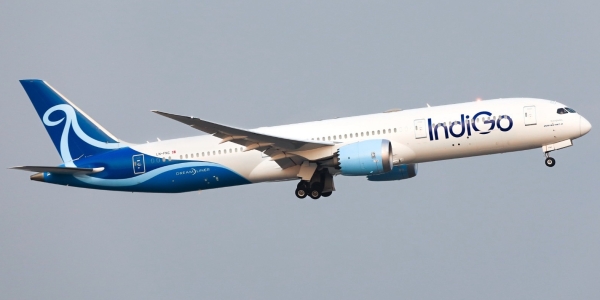
The three-day summit will be held at the Bharat Mandapam Convention Centre in New Delhi. Hosted by IndiGo, India’s largest airline by market share and fleet size, the AGM is expected to draw over 1,500 delegates from around the world, including top executives of more than 100 airlines, airport operators, aircraft manufacturers, aviation services providers, government representatives, and global media.
This event holds particular significance for India, as the last time the IATA AGM was hosted in the country was in 1983. With the Indian aviation sector now at the centre of global attention for its explosive growth and strategic potential, the timing of this gathering could not be more meaningful.
What is the IATA AGM?
The IATA AGM is the highest policy-making body of the global airline industry. Held annually since 1945 (except in extraordinary circumstances such as the pandemic), it serves as the central platform where airline leaders come together to discuss the key challenges, opportunities, and priorities shaping the future of air travel.
Key components of the IATA AGM include:
- CEO Forum & Keynote Addresses: Senior airline executives, regulators, and policymakers deliver keynotes that set the tone for the industry’s strategic direction.
- Policy Debates & Voting on Resolutions: Members vote on critical industry resolutions. These can range from safety regulations and sustainability goals to standard-setting and airline rights.
- Financial & Industry Reports: IATA presents data and forecasts, including global passenger traffic outlooks, profitability projections, and regional aviation trends.
- World Air Transport Summit (WATS): This parallel event includes expert panels and deep-dive discussions on innovation, environment, technology, and the economics of air travel.
- Leadership Elections: The AGM includes formal governance sessions where board members and IATA’s new chair are elected.
India’s Third Time Hosting
India previously hosted the IATA AGM in 1958 and 1983. The 2025 edition is not just a ceremonial return—it symbolises India’s emergence as a central player in global aviation. According to IATA forecasts, India is on track to become the third-largest air travel market globally by the end of this decade, behind only the United States and China. Infrastructure upgrades, significant fleet expansion, digital transformation, and policy reforms have made India one of the most exciting aviation markets today.
Why This Matters for India
Hosting the IATA AGM has implications that go far beyond prestige.
1. Recognition of Market Leadership
India’s aviation market has doubled in the past decade. Despite the pandemic, the sector rebounded strongly. Domestic passenger traffic hit a record high in 2024, and Indian carriers placed massive aircraft orders—IndiGo alone has ordered over 500 aircraft, while Air India has embarked on a transformative fleet renewal and global expansion plan.
The AGM offers a chance to spotlight this progress on a world stage, strengthening India’s position in bilateral air service negotiations and opening avenues for international partnerships.
2. Engagement with Policymakers
With aviation ministers, airport authorities, and regulators from across the globe attending, India will be able to showcase its policy reforms—including the UDAN regional connectivity scheme, improvements in airport privatisation, and efforts to ease foreign direct investment (FDI) norms.
These engagements could influence India’s future aviation roadmap, including discussions on taxation, ground handling policies, and improvements in air traffic management.
3. Focus on Sustainability
With aviation under increasing pressure to decarbonise, sustainability is expected to be a key focus at the AGM. IATA’s commitment to net-zero carbon emissions by 2050 requires cooperation among airlines, governments, and energy providers. India, with its growing interest in sustainable aviation fuel (SAF) production, has a critical role to play.
Sessions at the Delhi AGM are expected to address the availability and cost of SAF, carbon offsetting mechanisms, and the development of more fuel-efficient fleets.
4. Economic and Tourism Boost
The Annual General Meeting (AGM) delivers both long-term strategic advantages and immediate economic benefits. It will drive demand for hotel accommodations, local transportation, and engagement with Indian businesses. More significantly, hosting the AGM strengthens India’s reputation as a trusted destination for global business summits, fostering growth in international tourism and MICE (Meetings, Incentives, Conferences, and Exhibitions) sectors.
Looking Ahead
As the world’s aviation leaders gather in New Delhi, the symbolism of the event is unmistakable: India is no longer just a market of future promise; it is a central force shaping the industry’s present and future.
The decisions made, the partnerships formed, and the visions articulated during this IATA AGM will ripple across continents—but they will begin here, in the heart of India.