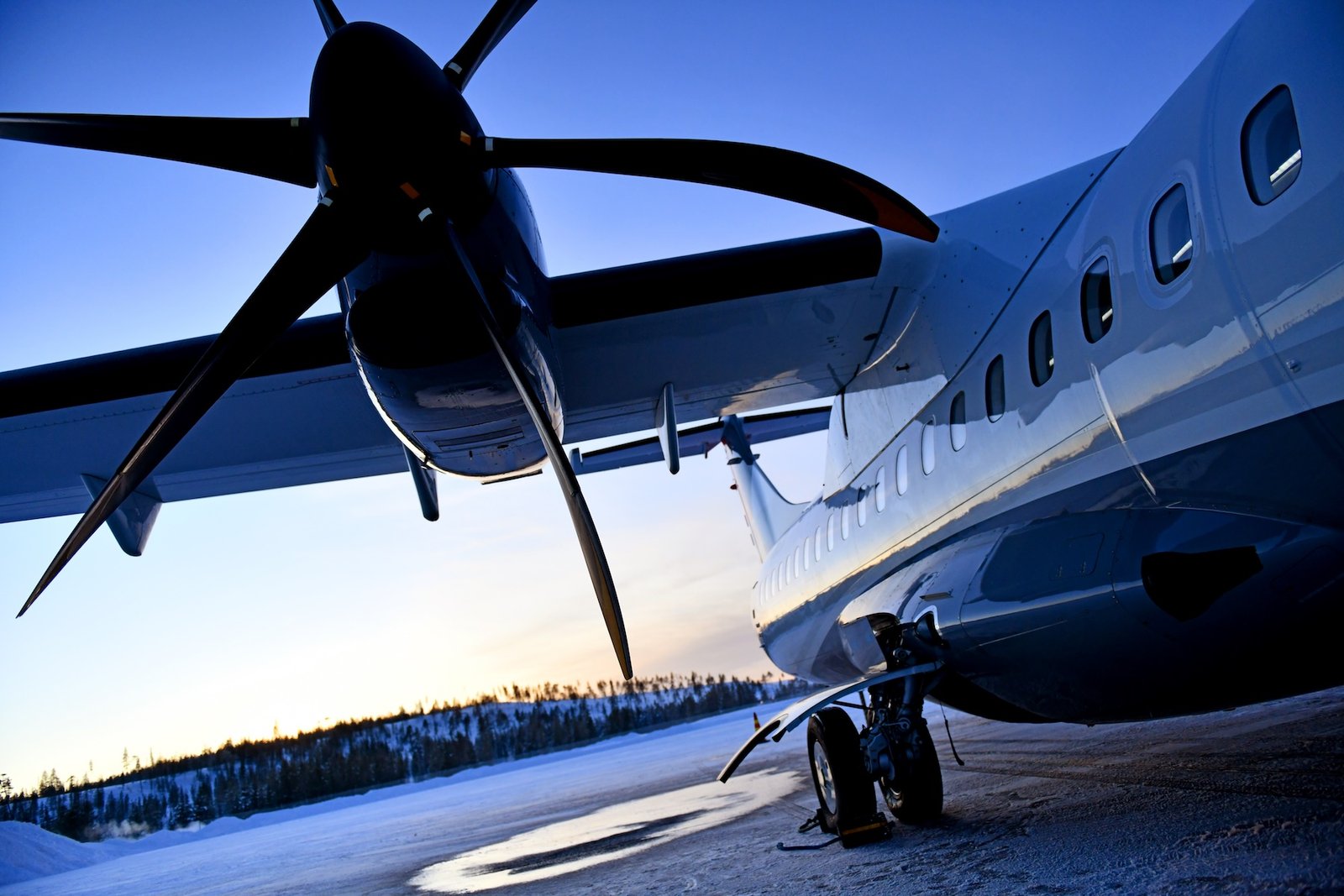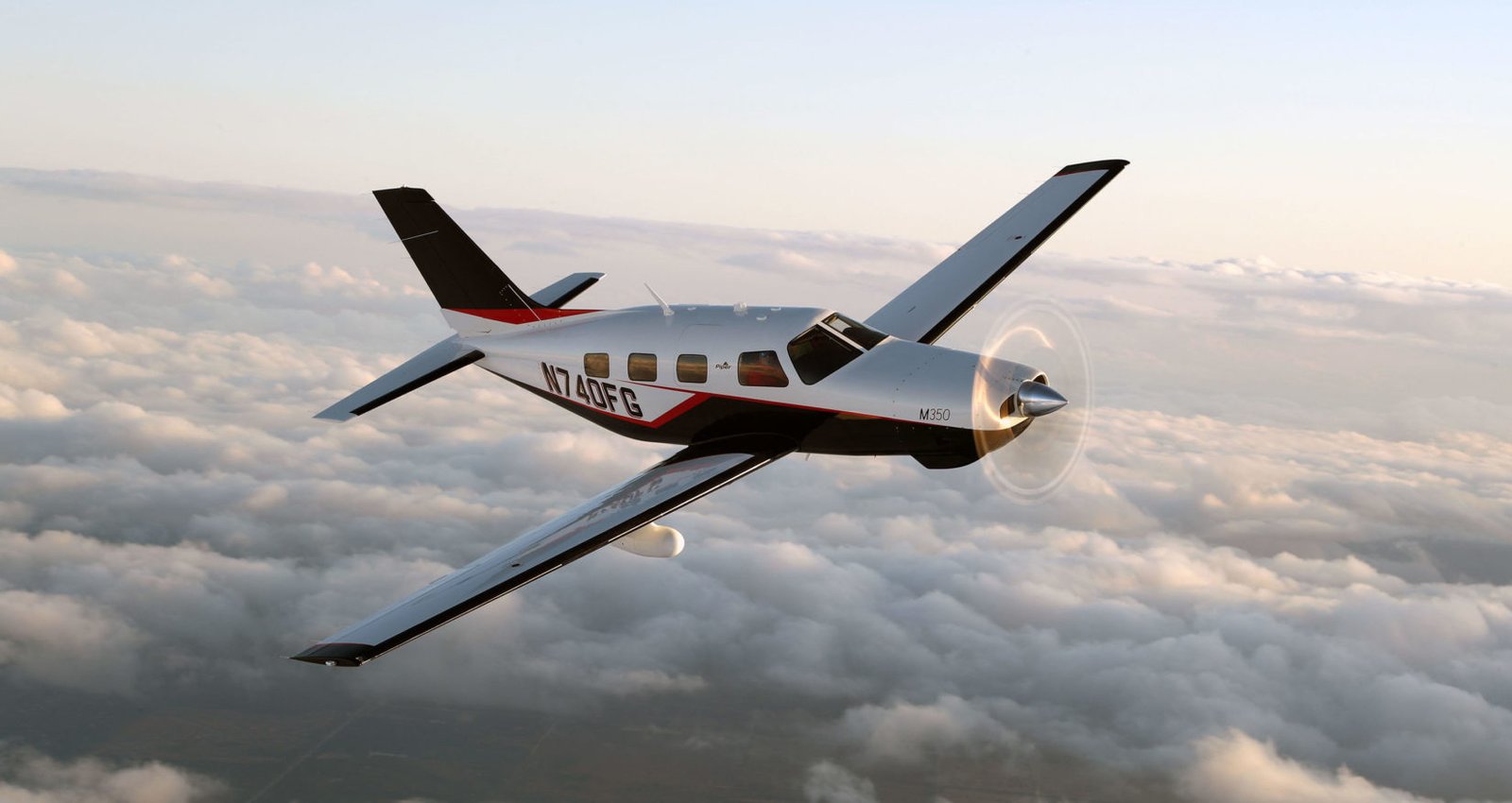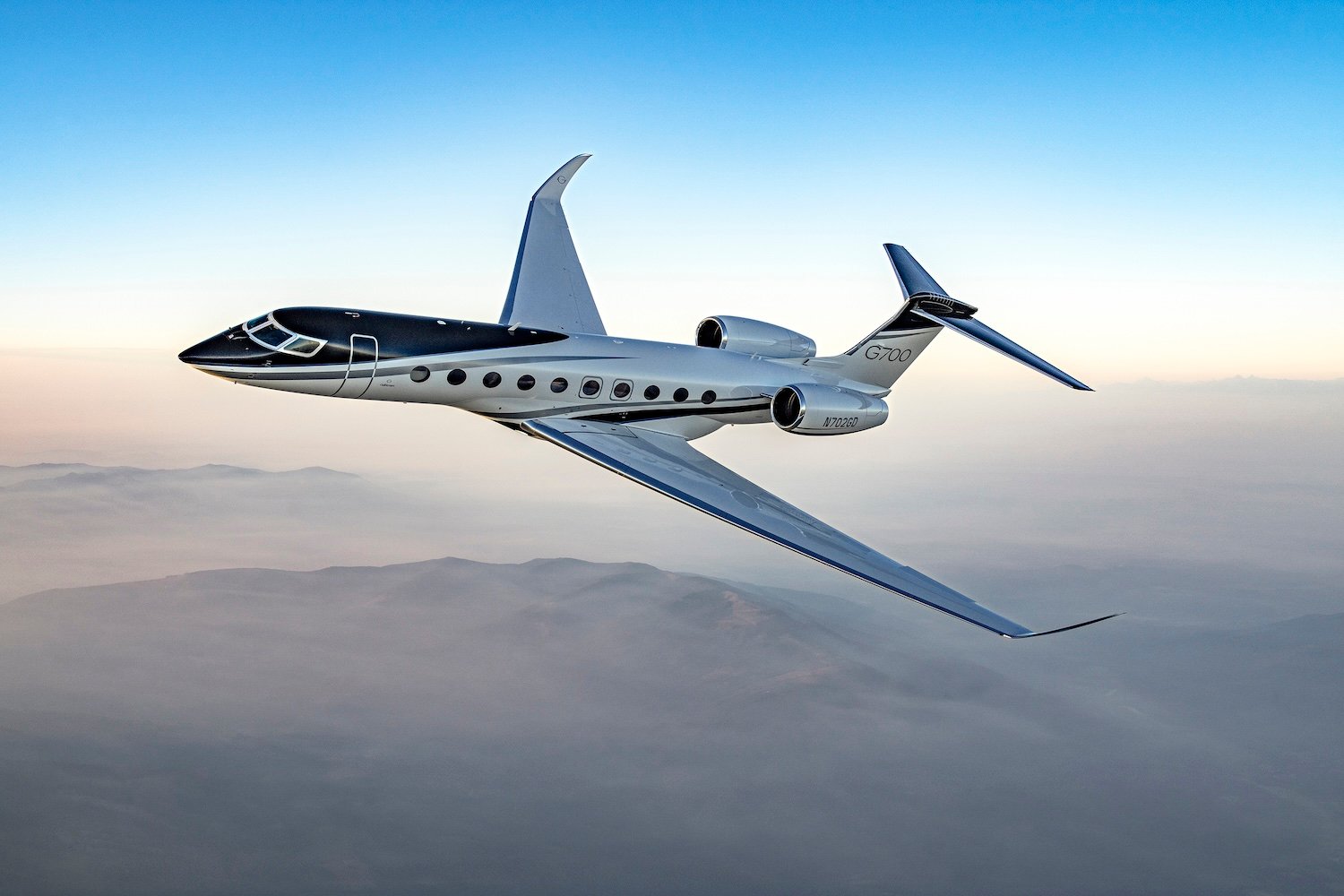










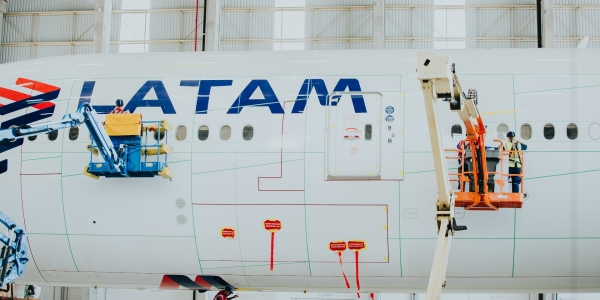
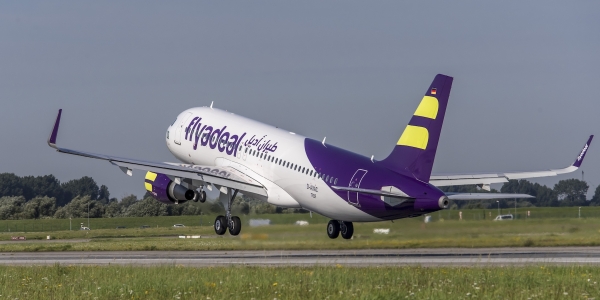


- The fuselage is the main body of an airplane, carrying passengers, crew, and cargo while connecting wings, tail, and engines.
- Modern airplanes mostly use semi-monocoque fuselages with strong outer skin and internal frames, providing excellent strength-to-weight ratio.
- Fuselages are designed for aerodynamics, pressurization, and safety, using materials like aluminum alloys and composites for efficiency and durability.
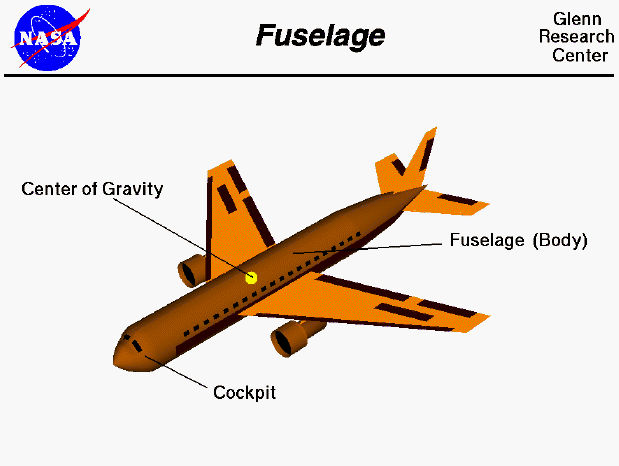
The fuselage is one of the most important parts of an airplane. It is the main body of the aircraft and acts as the central structure that holds everything together. Passengers sit inside it, pilots control the aircraft from it, and cargo is carried within it. Without a fuselage, an airplane could not function.
In this article, we will explain what an airplane fuselage is, its main functions, different types of fuselage designs, materials used, and why it is critical to aircraft safety and performance.
What Is an Airplane Fuselage?
An airplane fuselage is the long, hollow main body of the aircraft. It connects all major components of the airplane, including:
- Wings
- Tail section (empennage)
- Landing gear
- Engines (on many aircraft)
The fuselage is designed to be strong, lightweight, and aerodynamic, allowing the aircraft to carry passengers and cargo safely while flying at high speeds and altitudes.
Main Functions of an Airplane Fuselage
The fuselage performs several essential functions:
1. Carrying Passengers and Crew
In commercial airplanes, the fuselage contains:
- Passenger cabin
- Cockpit for pilots
- Galleys and lavatories
It is pressurized so passengers can breathe comfortably at high altitudes.
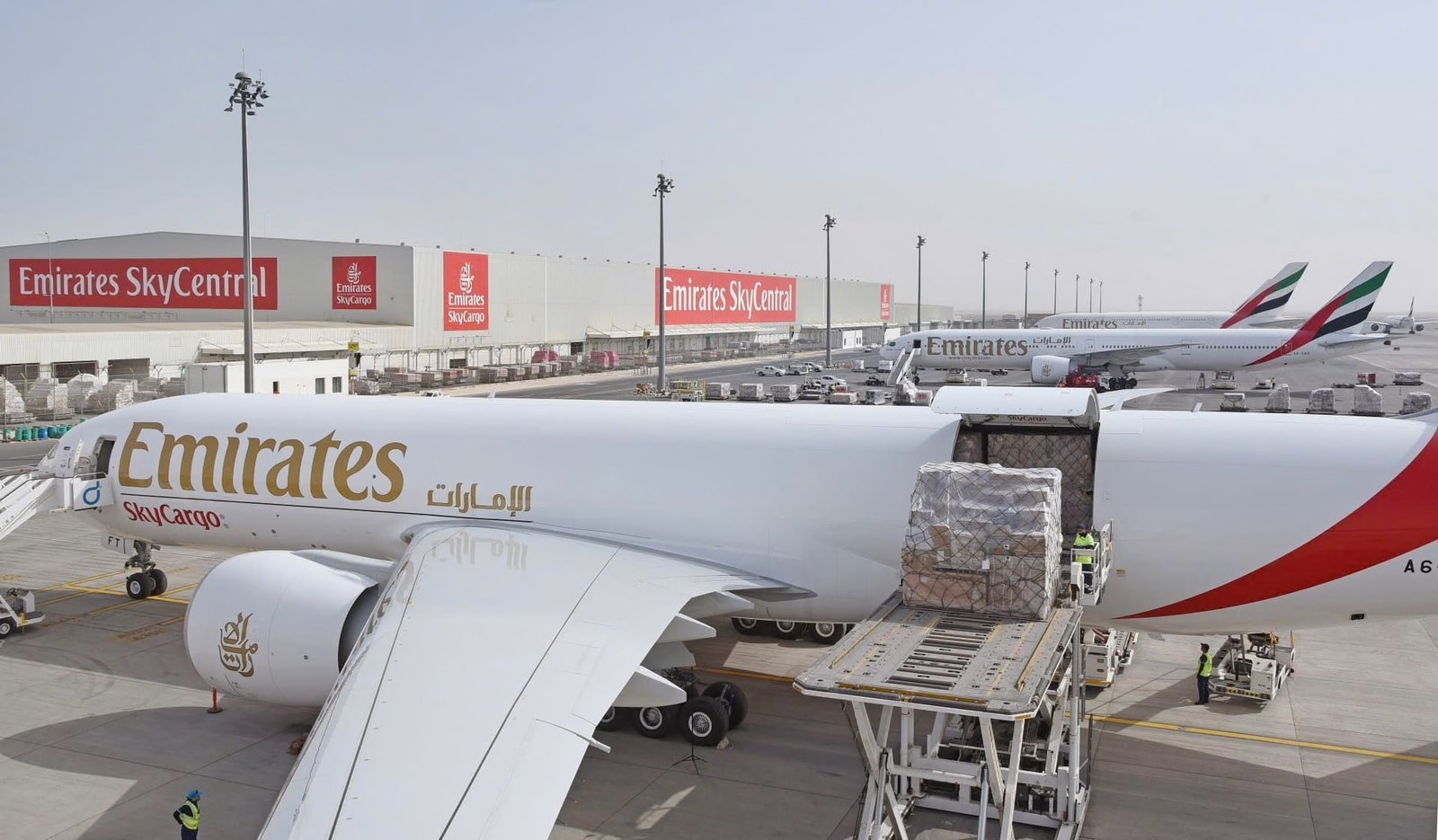
2. Holding Cargo and Baggage
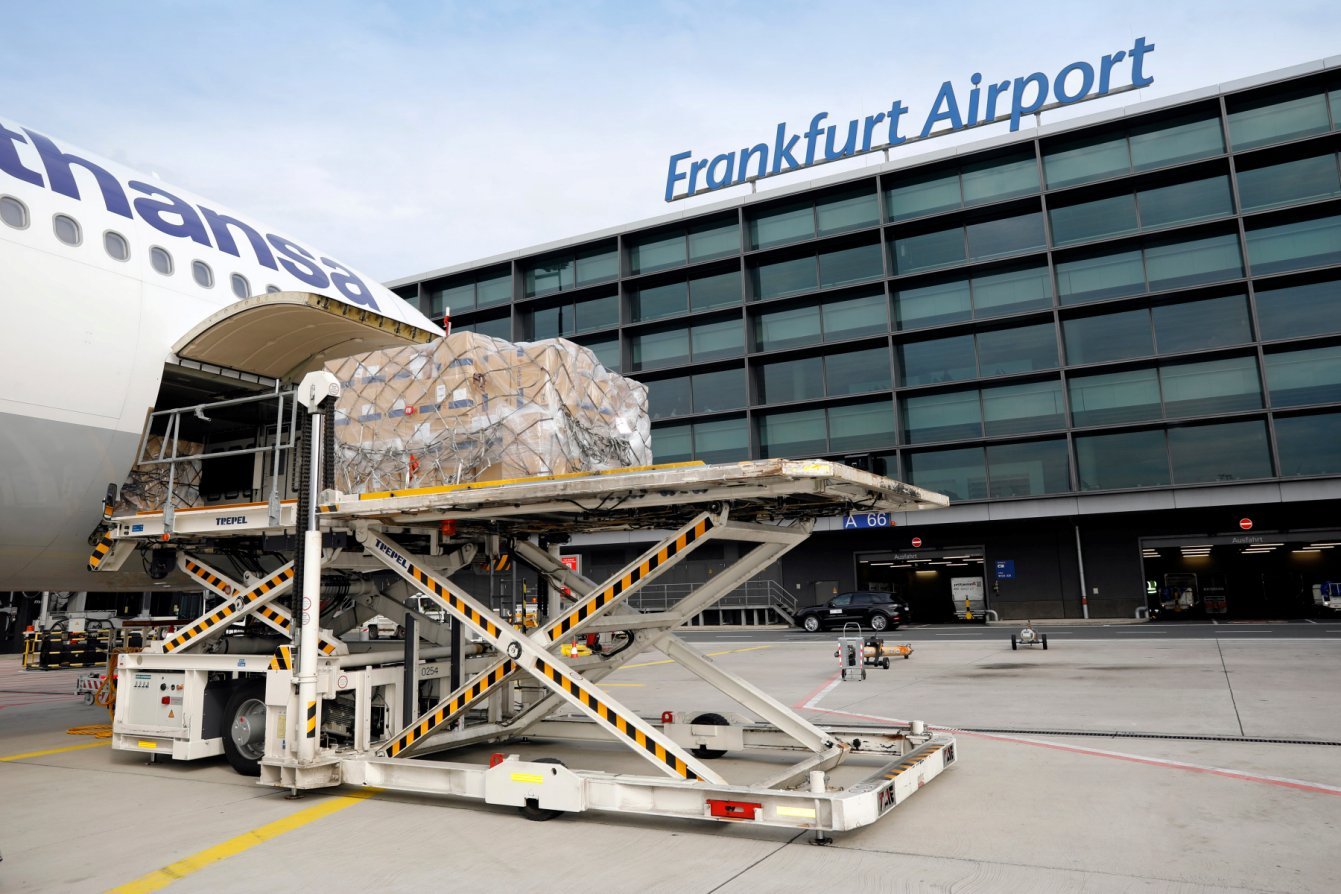
Below the passenger cabin, the fuselage houses:
- Cargo compartments
- Checked baggage storage
- Mail and freight
In cargo aircraft, the entire fuselage is designed mainly for freight.
3. Structural Support
The fuselage:
- Connects wings and tail
- Transfers loads during flight
- Handles stress during takeoff, turbulence, and landing
It must withstand enormous forces while remaining lightweight.
4. Aerodynamic Shape
The fuselage is shaped to:
- Reduce air resistance (drag)
- Improve fuel efficiency
- Maintain stability during flight
A smooth fuselage helps the aircraft move efficiently through the air.
Parts of an Airplane Fuselage
The fuselage is divided into several sections:
Nose Section
- Contains cockpit
- Houses radar and avionics
- Often includes nose landing gear
Center Section
- Main passenger cabin
- Wing attachment area
- Strongest part of the fuselage
Rear Section
- Supports tail assembly
- Contains auxiliary systems
- Sometimes houses rear cargo areas
Each section is designed for specific structural and functional needs.
Types of Airplane Fuselage Designs
Over time, engineers have developed different fuselage designs based on aircraft purpose and technology.
1. Truss-Type Fuselage
This design uses a framework of metal tubes.
Characteristics:
- Lightweight
- Simple construction
- Mostly used in early aircraft and small planes
Used in:
- Vintage aircraft
- Some light training aircraft
2. Monocoque Fuselage
In a monocoque design, the outer skin carries most of the load.
Advantages:
- Smooth aerodynamic shape
- Reduced internal structure
Disadvantages:
- Skin damage can weaken structure
This design influenced modern fuselage construction.
3. Semi-Monocoque Fuselage (Most Common)
Most modern airplanes use a semi-monocoque fuselage.
Features:
- Strong outer skin
- Internal frames, stringers, and bulkheads
- Excellent strength-to-weight ratio
Used in:
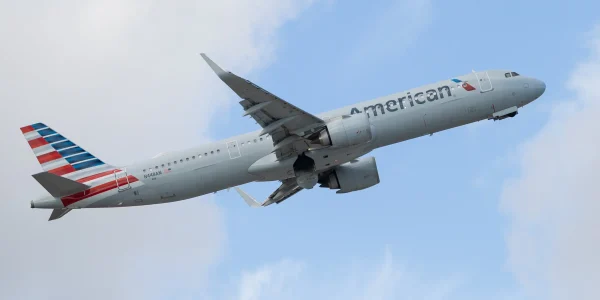
- Commercial jets
- Military aircraft
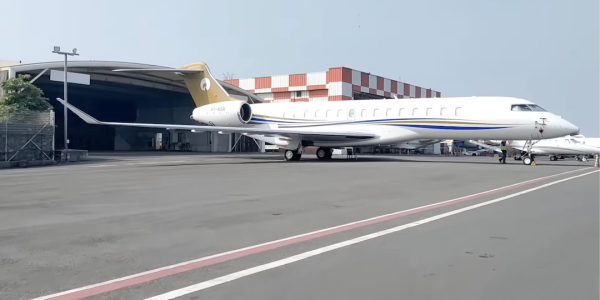
- Business jets
This design provides strength, durability, and safety.
Materials Used in Aircraft Fuselage
Aluminum Alloys
Traditionally the most common material.
Benefits:
- Lightweight
- Strong
- Corrosion-resistant
Composite Materials
Modern aircraft increasingly use composites like:
- Carbon fiber reinforced plastic
Advantages:
- Lighter than aluminum
- Stronger
- Better fatigue resistance
Aircraft like the Boeing 787 and Airbus A350 use composite fuselages.
Pressurization and the Fuselage
At cruising altitude, outside air pressure is very low. The fuselage must be:
- Airtight
- Able to withstand repeated pressurization cycles
The fuselage acts like a pressure vessel, expanding slightly at altitude and contracting during descent. This is why fuselage design is critical for safety.
Safety Role of the Fuselage
The fuselage protects passengers by:
- Absorbing impact forces
- Maintaining cabin pressure
- Providing fire resistance
- Supporting emergency exits
It is rigorously tested to meet strict aviation safety standards before certification.
Differences Between Passenger and Cargo Fuselage
Passenger Aircraft Fuselage:
- Windows
- Seating layout
- Pressurized cabin
Cargo Aircraft Fuselage:
- Large cargo doors
- Reinforced floor
- No passenger windows
Both are designed differently based on mission requirements.
Future of Airplane Fuselage Design
Future fuselage designs focus on:
- Lighter composite structures
- Improved aerodynamics
- Blended wing body concepts
- Better passenger comfort
Engineers are constantly working to make fuselages stronger, lighter, and more efficient.
Conclusion
So, what is an airplane fuselage?
The airplane fuselage is the central body of the aircraft that carries passengers, crew, and cargo while connecting all major components. It provides structural strength, aerodynamic efficiency, and cabin safety.
From early truss designs to modern composite structures, the fuselage has evolved significantly and remains one of the most critical parts of any airplane.