









What Next for IndiGo? The Behemoth Faces a Reckoning — and so Does India’s Aviation Ecosystem

- IndiGo’s 10% winter schedule cut signals a structural reset and exposes how dependent India’s aviation system had become on one airline.
- Years of inaction by ministries, regulators and IndiGo’s own board allowed fatigue complaints, stretched utilisation models and internal cultural issues to persist unchecked.
- A tougher government posture is now expected, including forensic audits, stronger POI enforcement, board scrutiny and policy shifts to ensure IndiGo no longer becomes a single point of failure.
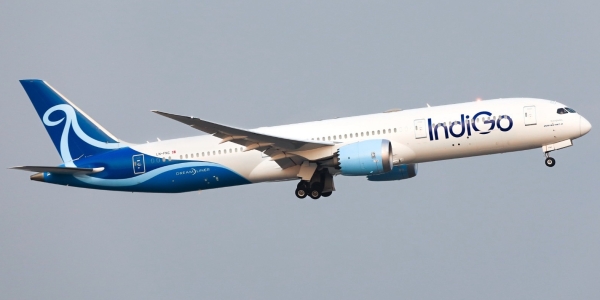
IndiGo spent 19 years convincing India it was the airline that simply could not fail. This month, that illusion shattered. The government’s 10% cut in IndiGo’s winter schedule is not a punishment but a structural reset — and a dangerous one.
When a carrier with a 60% market share is forced to shrink overnight, another financially weak airline could easily tip into the red, and Indian travellers will bear the brunt. That such a correction creates systemic risk shows how deeply India allowed its aviation ecosystem to be built around a single airline.
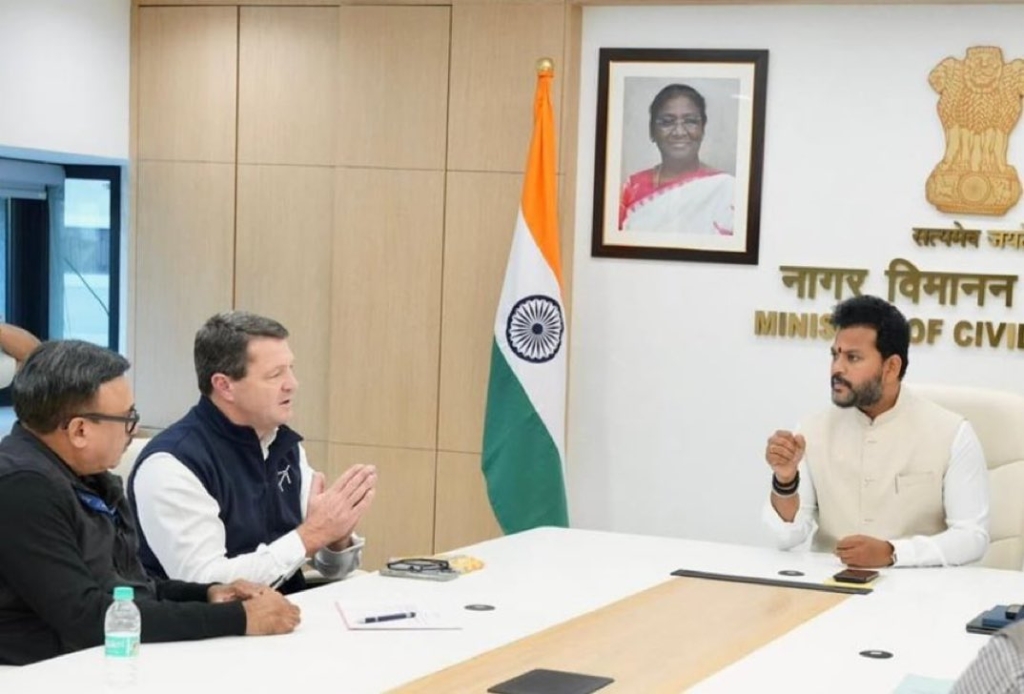
What is important to note is that regulatory inaction enabled IndiGo’s negligence. Civil Aviation Minister Ram Mohan Naidu made the government’s shift in posture unmistakable. “We are holding IndiGo accountable…The crisis reflects deep-rooted planning failures. We will not hesitate to act if management structures hamper safety and reliability.”
But the rot didn’t begin with IndiGo. It began with ministries and regulators refusing to act at the right time. POI (Principal Operations Inspector) oversight existed, fatigue complaints were chronic, crew utilisation models were stretched beyond global norms — and yet nothing changed.
Blaming the duopoly is lazy. Duopolies are market outcomes. Like politics, the strongest survive. IndiGo didn’t create India’s brutal cost structure; it merely played the game better. Regulators, however, allowed that game to run without discipline until it imploded.
IndiGo’s board failed to perform its most basic duty. That is perhaps why Naidu’s reference to “management structure” has set off alarms. The meltdown exposed a board that either didn’t see trouble coming or chose not to intervene. The whistleblower letter described a culture that normalised fatigue and punished dissent — allegations IndiGo has not seriously refuted.
For the first time, the government is reportedly reviewing the performance of IndiGo’s independent directors — including former IAS officers expected to bring exactly the vigilance that went missing. In most global markets, a board overseeing such a collapse would face resignations. The question now isn’t whether heads should roll, but how many.
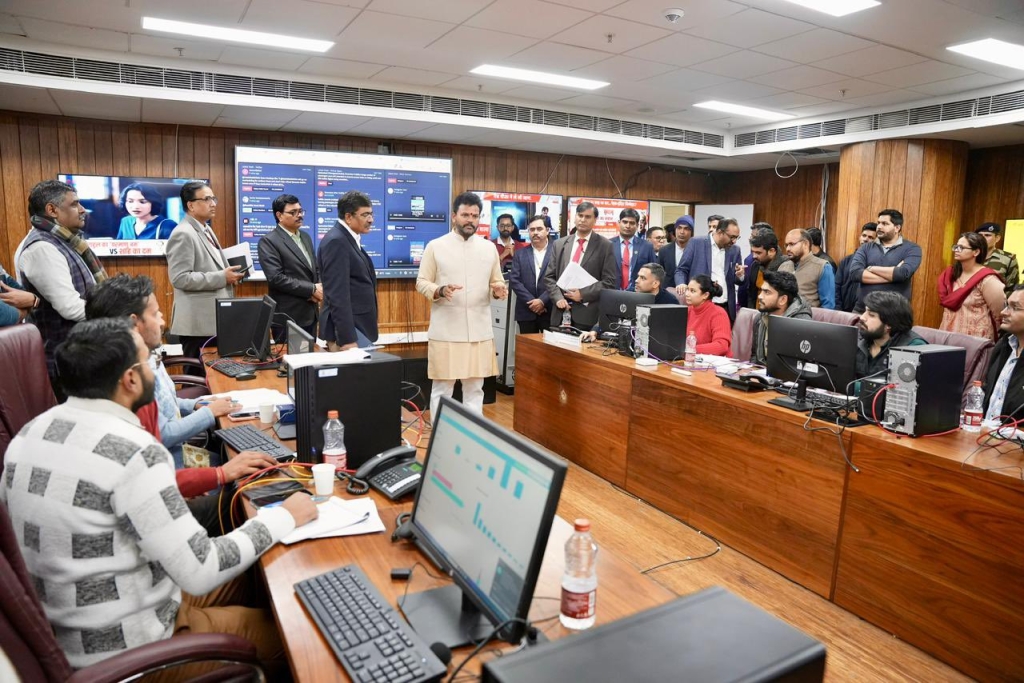
Has IndiGo’s growth model hit a wall? IndiGo’s rise was built on a simple formula: maximum utilisation equals maximum efficiency. That formula collapsed the moment the new FDTL rules came into force.
Growth can continue — but not at the old speed, and certainly not with the old assumptions.
Constraints now include:
- Pilot availability
- Stricter DGCA oversight
- Mandatory redundancy
- Union pressure
- Higher compliance costs
The age of hyper-utilisation is over; safety-led growth has replaced it.
While duopoly is not a problem, fragile state oversight is. Veteran aviator Capt. Shakti Lumba’s widely shared post called out the structural risk of India depending on two carriers — IndiGo and Air India — to hold up the entire domestic architecture. “ICAO regulations do not support a model where a national market becomes hostage to the operational decisions of one or two carriers.”
His call for wider international participation and liberalised access is gaining traction. But the debate is being framed incorrectly:
- IndiGo is not wrong for dominating.
- The government is wrong for letting the system become dependent on that dominance.
A duopoly is not illegal, immoral, or even unusual — but a regulator that sleepwalks into vulnerability is. What will change now? A more assertive government is now inevitable. The 10% cut is just the first blow. Expect:
1. Forensic audits of crew rostering and fatigue management
No more gentle nudges. The DGCA is moving to prove — not trust — compliance.
2. Real enforcement by POIs
POIs will finally be expected to act, not merely observe. Their findings may now carry teeth.
3. Scrutiny and possible overhaul of IndiGo’s board
Future appointments will prioritise aviation safety expertise over bureaucratic credentials.
4. Competition-focused policy adjustments
Subtle support for Akasa, acceleration of Air India’s recovery, more rational slot policies, and possible liberalisation of bilaterals to ensure IndiGo is no longer India’s single point of failure.
Again: this is not about punishing IndiGo. It is about preventing another crisis triggered by IndiGo.
So, it will be back to the drawing board for IndiGo. Its reputation is now a liability and not an asset. IndiGo’s brand was its fortress — punctual, predictable, omnipresent. All three were damaged.
Recovery demands more than a PR reset:
A fatigue-risk rostering overhaul
- Transparent communication during disruptions
- Aggressive pilot hiring
- Stronger internal grievance systems
- Demonstrable cultural reform
This is a management reset, not a cosmetic reboot.
For India’s aviation sector, the IndiGo crisis has been an inflexion point. IndiGo will survive — but not as the frictionless machine it once was. India has hit a turning point where dominance without resilience is a national vulnerability. The message from New Delhi is now unmistakable: operational reliability is non-negotiable.
Rahul Bhatia faces his most consequential test: Can he transform IndiGo from a high-utilisation juggernaut into a resilient, well-governed airline fit for India’s next aviation decade?
The answer will shape more than IndiGo’s future. It will shape India’s aviation ecosystem.
Also Read: When IndiGo Held India Hostage — and Governance Failed