




- Singapore Airlines’ strategic investment in Air India presents a promising opportunity to revitalise the carrier by leveraging SIA’s global expertise to modernise operations and enhance passenger experience.
- However, Air India’s historical challenges in service quality, efficiency, and operational consistency remain significant hurdles.
- The alliance aims to address these shortcomings and establish Air India as a global leader, but its success will depend on effective execution and sustained improvement.
The year 2024 was a watershed one for the Tata Group’s aviation business. From investing in one full service carrier and one low cost carrier, to buying out the low cost carrier fully, bidding and winning Air India and consolidating the multi airline business into two. Life came a full circle two and half years after entering the cockpit of Air India, in the middle of the pandemic.
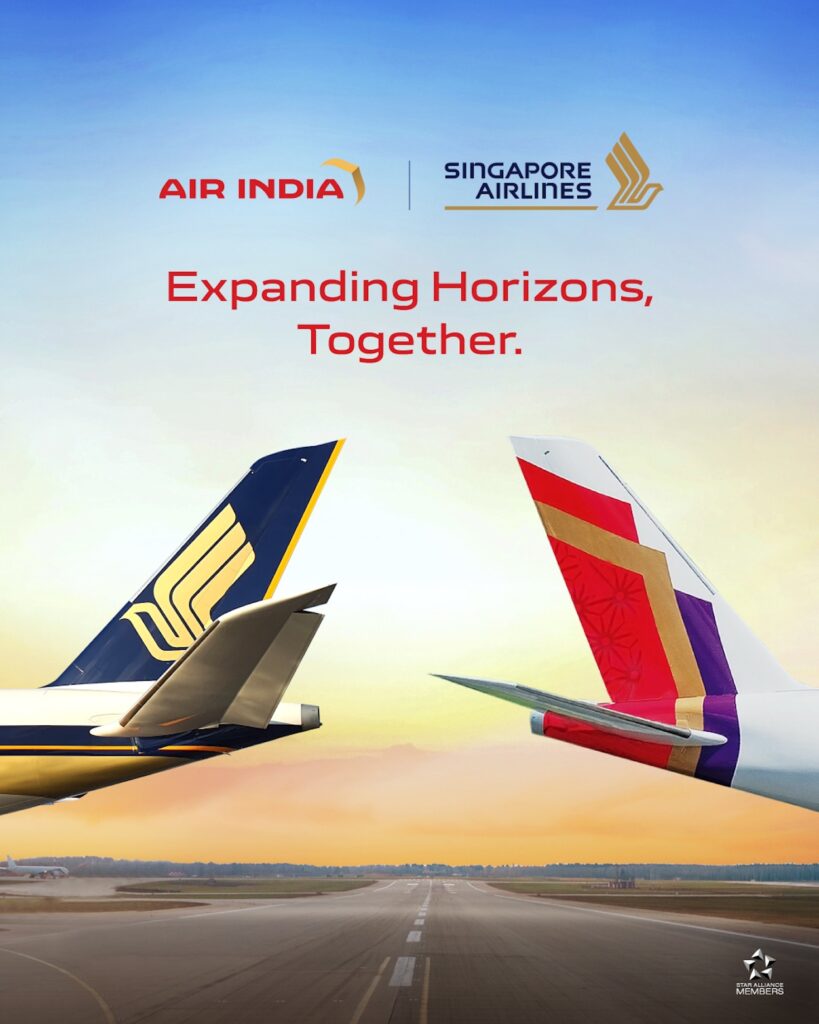
With one full service carrier – Air India, and one low cost carrier – its subsidiary Air India Express, the group is set to soar to new heights. In a significant move that promises to reshape the Indian aviation landscape, Singapore Airlines (SIA) announced a substantial investment in Air India. This strategic partnership marks a new chapter for the national carrier, with SIA acquiring a 25.1% stake in the enlarged Air India post-merger with Vistara.
This investment is a testament to SIA’s confidence in the Indian aviation market and its belief in Air India’s potential. The partnership will leverage SIA’s renowned expertise in customer service, operational efficiency, and global network to elevate Air India’s offerings and position it as a leading global carrier. These areas, be it customer service or operational efficiency, are highly important and lacking with the recently privatised Air India. For Air India, this investment brings much-needed capital to modernise its fleet, upgrade its services, and expand its global network. SIA’s experience in managing a successful airline will provide valuable insights and guidance to Air India’s management team, enabling them to implement best practices and drive growth.
Flashback
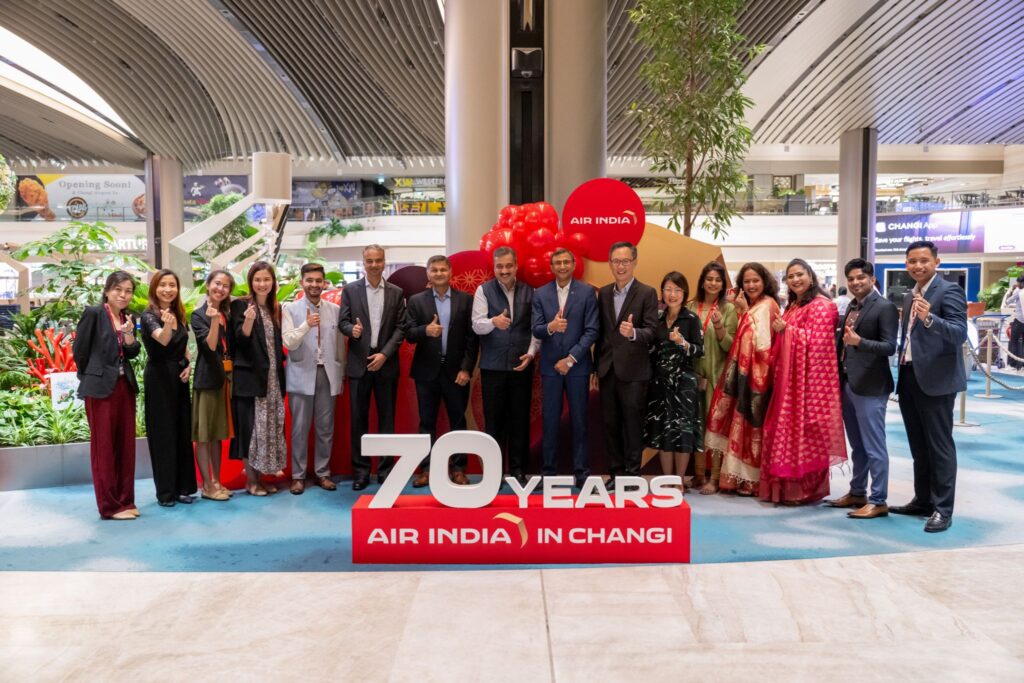
Singapore Airlines Groups and Tata group partnered in 2013 to start Vistara – a full service carrier which took to the skies in 2015. This was not the first attempt for these two groups to come together with the previous attempts being thwarted. This also became the second carrier for the Tata group, since it had already tied up with Tony Fernandes’ AirAsia group a few months before the tie up with SIA.
The government decided to finally privatise Air India and the Tata group, with its legacy decided to jump in. Eventually, the group bagged Air India and Singapore Airlines Group decided to be an equity partner in the combined entity. Tata took over Air India in January 2022.
Route & Fleet Optimisation
Air India has been a sleeping tiger, while Singapore Airlines has been a roaring giant in the last few decades. The immense potential of Indian traffic has been laid bare on the platter for foreign carriers in the absence of any other stronger airlines in India.
Singapore Airlines, with its extensive experience in network planning and operations, can offer several key strategies to optimise Air India’s routes which includes leveraging the Hub-and-Spoke model. Singapore, with its city-state operations at Changi, is well-versed in building an effective and global hub. Air India has a functional hub at Delhi, but it needs to grow by leaps and bounds. For Singapore Airlines, it enables the airline to have a multi-hub strategy, which it cannot have due to geographical challenges.
Air India and Singapore Airlines have already started collaborating with Singapore Airlines offering flights to Europe via Delhi, on Air India metal – showing the confidence which it has especially after a lot of negative publicity around the interiors and overall experience. By optimising flight schedules and aircraft utilisation, the airline can reduce turnaround times and improve operational efficiency.
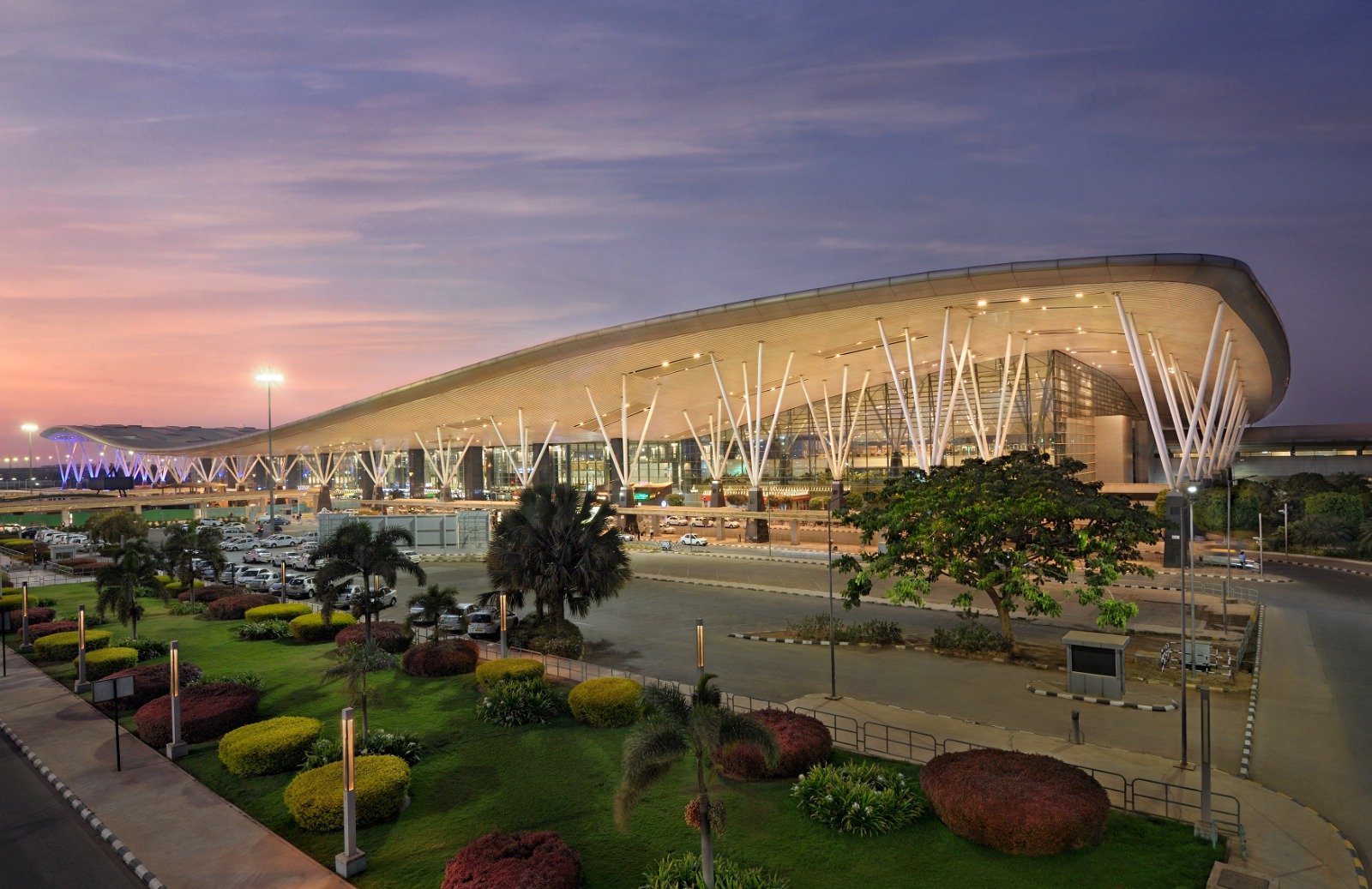
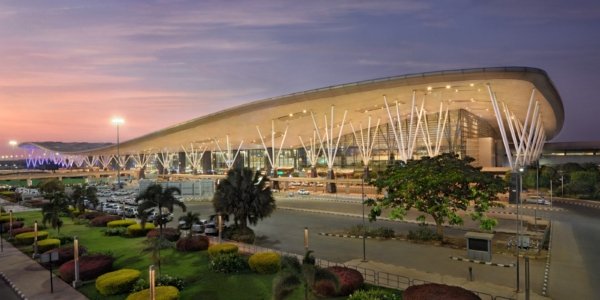
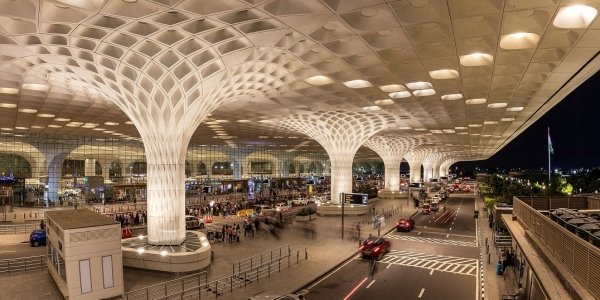
Route optimisation will see Air India open up new avenues for its passengers via Singapore and likewise, Singapore Airlines open up multiple avenues for its connecting passengers via Delhi or potentially Mumbai and Bengaluru in future.
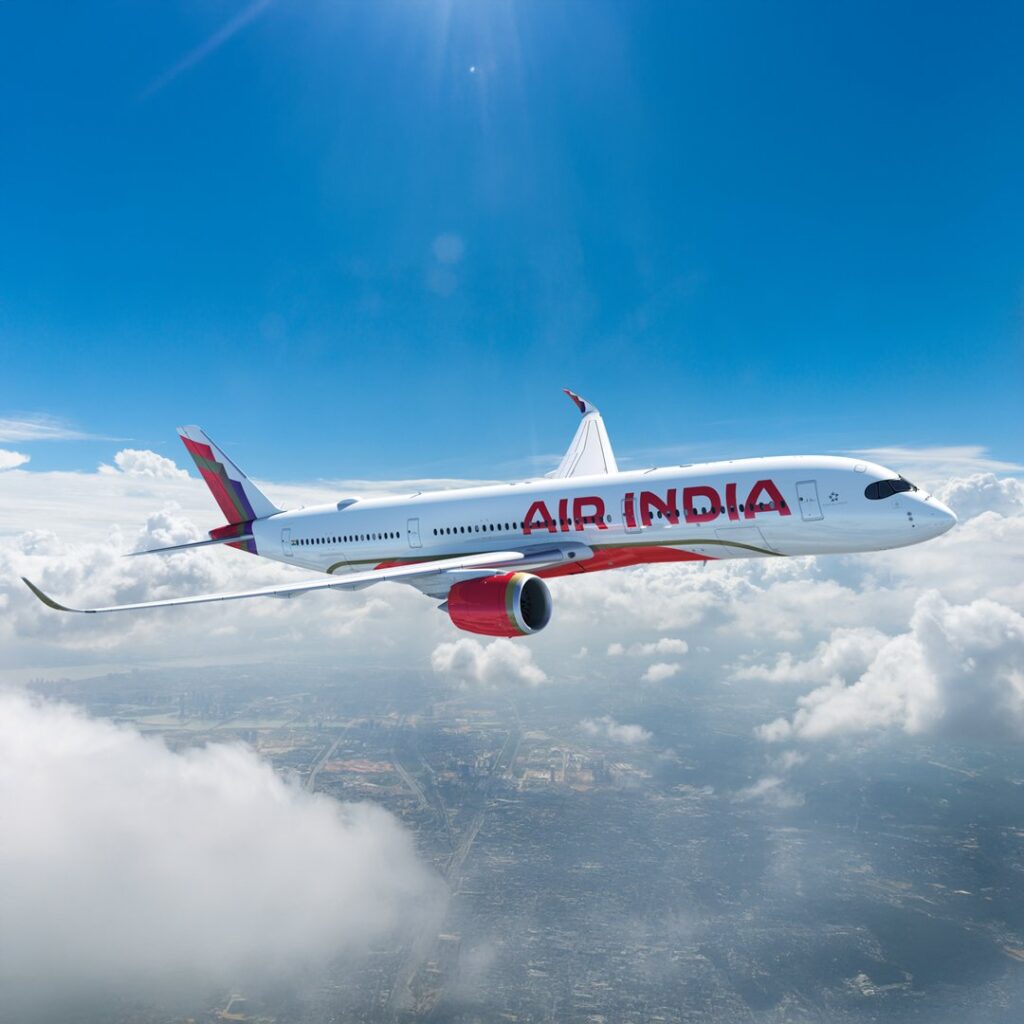
A well-optimised fleet is crucial for efficient route planning. Singapore Airlines has a proven track record in effectively deploying its fleet to maximise revenue and minimise costs. By analysing Air India’s fleet composition and passenger demand patterns, Singapore Airlines can provide recommendations on optimal aircraft deployment and scheduling. This can help Air India achieve better utilisation rates and reduce operating expenses. Today, Air India has a mix of legacy widebody aircraft, a mix of leased planes that it has acquired, and a strong order book ahead of it, comprising the Dreamliners, A350s, and B77X. Such a mix of fleet will not help optimise.
Improving standing in Star Alliance
Singapore Airlines is one of the early entrants into Star Alliance, which Air India joined in 2014. Air India has had a wide network of partnerships, but what it lacked was depth. The alliance partners looked for a similar level of service, and that was one area that Air India lacked totally, both in terms of hardware and soft aspects of the service. Singapore Airlines has a strong network of partnerships and alliances with other airlines. By leveraging these partnerships, Air India can expand its global reach, offer more seamless connections, and tap into new markets. This can help the airline increase its market share and revenue.
With Star Alliance carriers like Lufthansa, United, Swiss; Air India can look at collaborating at various hubs where it flies to command a premium from passengers for seamless connectivity.
Improving Passenger Experience
Singapore Airlines is renowned for its world-class passenger experience. By collaborating with Singapore Airlines, Air India can learn best practices in areas such as airport lounge facilities, in-flight services, and baggage handling. This can help Air India elevate its passenger experience and attract more customers. Air India is already investing in lounges dedicated at Bengaluru and revamping the lounges at Delhi. It has engaged world leading consultants to revamp and work on lounge possibilities at leading airports where they operate which includes London Heathrow, New York and San Francisco.
The inflight services standards for Singapore Airlines, too, are far superior to those of Air India and a bridge between the two for training will help in multiple ways.
Manpower rationalisation
Since taking over Air India, the Tata group has already had Voluntary Retirement Schemes (VRS). It did extensive exercise of manpower rationalisation while merging Vistara with itself. As things progress, one of the core areas where Air India always had the brickbats was the ratio of people to planes. While there is no benchmark globally, the multi pronged approach will help with manpower rationalisation.
Firstly, the addition of new planes will ensure that this ratio goes down organically. Secondly, the collaboration and digitisation will reduce the need to add more people but instead focus on skill and automation which will lay the path for the future.
Having Singapore Airlines onboard means that there is no need to reinvent the wheel, and instead, the best practices used by one of the leading airlines of the world will be readily available to be tweaked and replicated. In today’s data-driven world, airlines rely on advanced analytics to make informed decisions. Singapore Airlines has invested heavily in data analytics tools to optimise its network, pricing, and customer experience. By sharing its expertise and data-driven insights, Singapore Airlines can help Air India make data-informed decisions regarding multiple areas, including
Air India Express taking the learnings from Scoot
Air India Express was formed in April 2005, as a fully owned subsidiary of Air India. It remained profitable for most of its period, saw two deadly crashes, and more. However, there remained little co-operation between the two carriers. Cut to 2024, Air India is transferring its planes to Air India Express and has undergone a massive exercise of swapping routes from mainline to the low cost subsidiary.
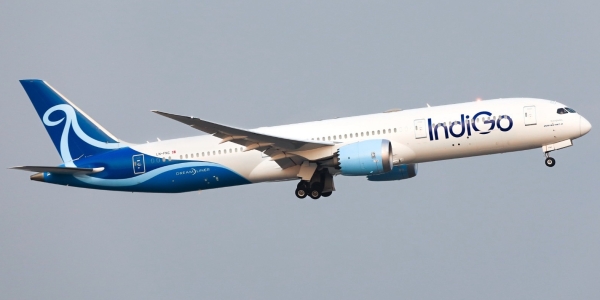
Air India Express is also pumped up as the primary driver of domestic traffic with the airline trying to be the face of competition with IndiGo. How does Singapore Airlines come into picture here? Singapore Airlines started low cost carrier Scoot in 2011 to take on the low cost challenge in the region, especially from the AirAsia group which is headquartered in Kuala Lumpur, just north of Singapore.
Today, Scoot is not just a low cost subsidiary of Singapore Airlines but one with which it has close collaboration, sells tickets as a single itinerary and is used effectively for the wider network gain. To have a large domestic network and not let Air India Express be used as a feeder for the mainline or not have passengers get miles for travelling on the low cost carrier will be something which will hurt. The Singapore Airlines – Scoot experience will come in handy.
Tail Note
The partnership between SIA and Air India is expected to yield several benefits for passengers. These include enhanced connectivity to international destinations, seamless travel experiences, and access to world-class lounges and amenities. Additionally, the integration of Vistara’s operations into Air India is creating a larger network and offering more flight options for travellers.
This strategic alliance between SIA and Air India holds the potential to transform the Indian aviation industry. By combining SIA’s global reach and expertise with Air India’s domestic network and strong brand recognition, the partnership can create a formidable force in the global aviation market.
As Air India embarks on this new journey with SIA, the future looks promising. With the right strategy, investment, and execution, Air India can regain its position as a leading global carrier and contribute to India’s economic growth.