










HAL Eyes 25% Civil Aviation Business in 10 Years as It Expands Civil Aircraft Portfolio

- HAL is working toward lifting civil aviation to a quarter of its business over the next decade, marking a deliberate shift away from an almost exclusively defence-led revenue model built over decades.
- The company’s civil push is structured around certified fixed-wing aircraft, civil helicopters, and a proposed 100-seat regional jet, with early exports, domestic orders, and leasing-led entry intended to build operational credibility.
- Beyond individual platforms, the strategy hinges on localisation—using domestic manufacturing and supplier integration to cut lifecycle costs, strengthen MRO capability, and position India more firmly in the global civil aerospace ecosystem.
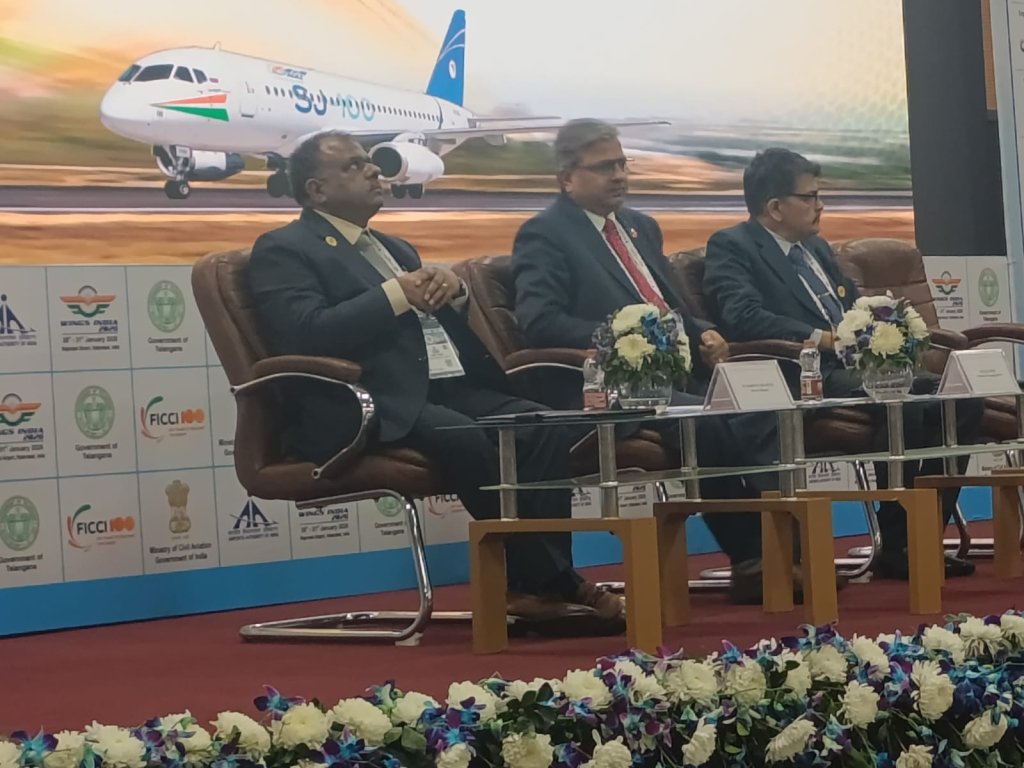
Hindustan Aeronautics Ltd (HAL) has set itself an ambitious target: to raise the share of civil aviation in its overall business to 25 per cent within the next decade. For a company that has long derived nearly 97 per cent of its revenues from military platforms, the move signals a decisive strategic shift.
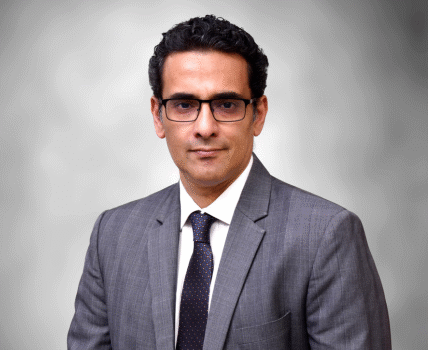
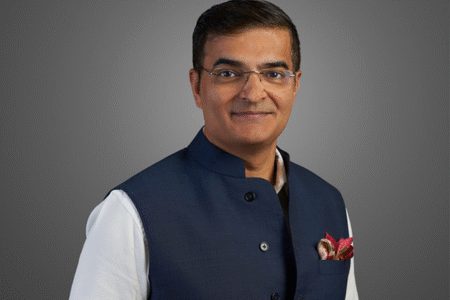
According to D.K. Sunil, Chairman and Managing Director of HAL, this is not a sudden pivot but the outcome of a deliberate, multi-year diversification plan. “Over the past few years, we have taken a conscious policy decision to diversify and increase the civil component of our sales,” he says, underlining that the groundwork for this transition has been in place for some time.
HAL’s civil aviation journey, in fact, began decades ago. The company manufactured the Avro aircraft at its Kanpur facility, platforms that continue to serve the Indian Air Force. It also maintained a modest civil presence through helicopter variants such as the Chetak and Cheetah, as well as the Light Helicopter (LH) Mark 1, which has operated in states like Maharashtra. Yet these efforts remained peripheral to its core defence-driven business model.
That imbalance is now being actively addressed through a three-pronged strategy: fixed-wing civil aircraft, helicopters, and the 100-seat regional jet programme.
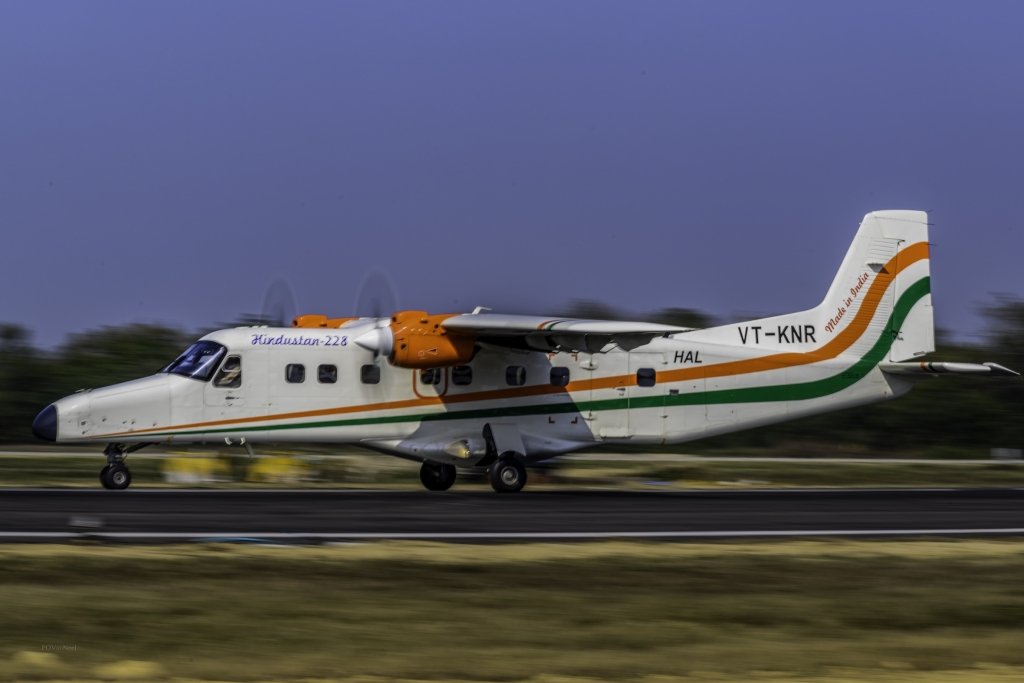
A key pillar of the fixed-wing push is the civil certification of the Dornier 228. Long used by the Indian Navy, Coast Guard and Air Force, the aircraft has now been recertified for civilian operations as the Hindustan 228, with DGCA approval. HAL has already delivered two aircraft to Guyana, where they are operating in the Caribbean, and has signed a contract for two more. The aircraft’s suitability for island-hopping and short-runway operations makes it relevant not only in the West Indies but also in archipelagic markets such as Malaysia and Indonesia.
HAL has also developed a third-generation variant of the platform, equipped with a modern glass cockpit and upgraded systems. The aircraft recently completed its first flight and is expected to receive certification in the coming months. Designed for regional connectivity and special mission roles, it incorporates enhanced safety features, including terrain awareness systems, making it suitable for challenging operational environments.
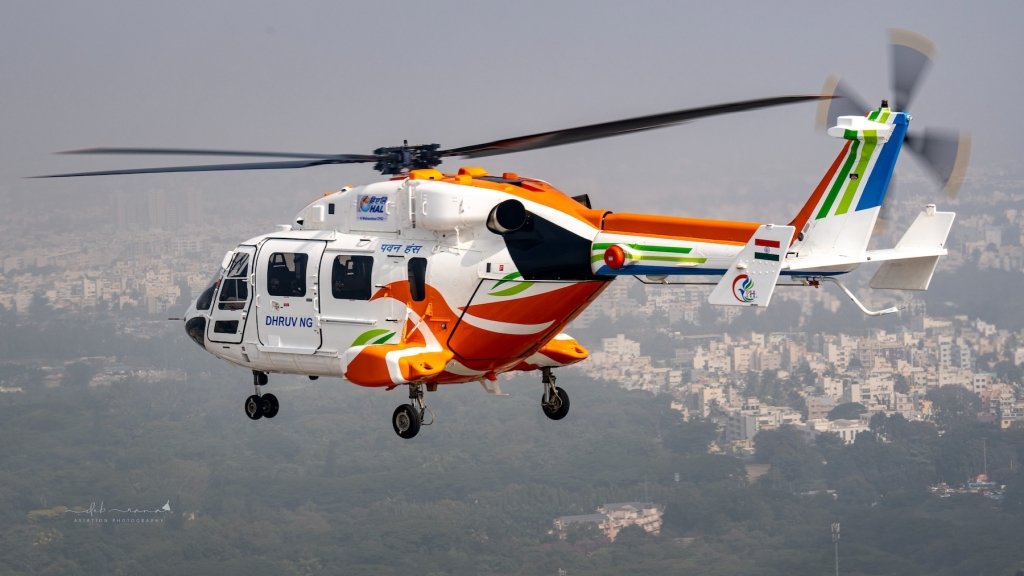
In parallel, the company is advancing its civil helicopter programme. Its twin-engine helicopter, aimed at offshore operations, tourism and emergency medical services, has secured a firm order from Pawan Hans for 10 aircraft. These are expected to be deployed primarily in offshore oil operations. Sunil notes that the twin-engine configuration enhances reliability, particularly in high-altitude and demanding conditions, potentially opening up opportunities in northern and remote regions of the country.
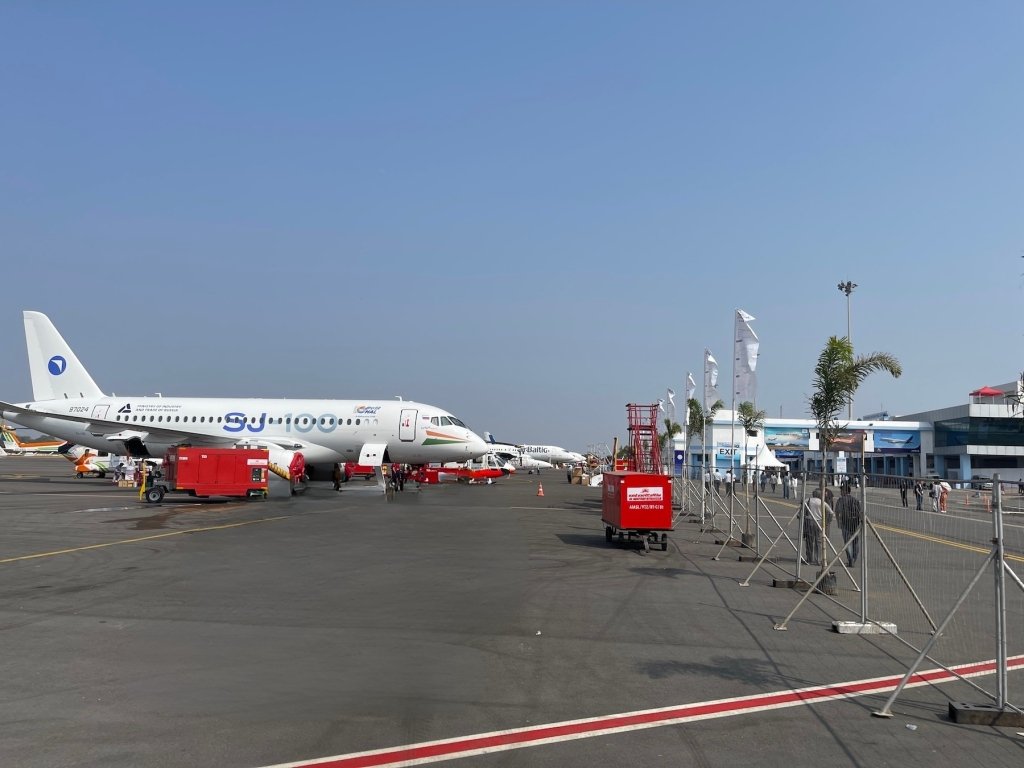
The most ambitious element of HAL’s civil roadmap, however, is the 100-seat SJ100 regional jet, being pursued through a partnership. Sunil describes it as a “world-class aircraft” in terms of interiors, finish and cockpit layout. Positioned in the short-haul regional segment, the aircraft is intended to fill a gap in India’s and other emerging markets’ aviation networks.
“We see this aircraft becoming a mainstay for regional connectivity schemes in the country,” he says, arguing that the 100-seat category is ideally suited for routes linking tier-two and tier-three cities.
HAL plans to initially lease the aircraft to domestic operators. This approach is intended to generate operational feedback on maintainability, ground support systems and MRO requirements. Simultaneously, the company is preparing for eventual manufacturing in India within the next three years, subject to regulatory clearances and ecosystem readiness.
Cost economics are central to the strategy. Fuel and maintenance remain the two largest cost drivers in aviation. While fuel efficiency is embedded in aircraft design, HAL believes that localisation can significantly reduce maintenance and lifecycle costs. Domestic manufacturing could improve availability of spares, reduce aircraft-on-ground time and lower recurring expenditure for airlines. It may also reduce acquisition costs, making the platform more attractive to regional carriers.
Building such capability will require substantial investment and integration of domestic suppliers into the programme. HAL intends to work closely with private industry partners to develop a broader aerospace ecosystem. The objective is not merely to assemble aircraft, but to strengthen India’s position in the global civil aerospace supply chain.
Government backing has been encouraging, Sunil says. Discussions with civil aviation authorities and industry stakeholders have been positive, with recognition that establishing a 100-seat aircraft programme in India would mark a significant milestone. Where commercial viability gaps exist, there is openness to exploring mechanisms that could make the programme sustainable.
For HAL, the transformation is both strategic and symbolic. It represents a shift from being predominantly a defence manufacturer to becoming a more balanced aerospace company. It also aligns with India’s larger ambition to emerge as a manufacturing hub for civil aircraft.
“This is not just about one aircraft platform,” Sunil emphasises. “It is about building long-term civil aviation capability in India.”
If the plan succeeds, HAL’s quiet civil beginnings could evolve into one of the most consequential transitions in the company’s history.
Also Read: HAL and UAC Sign MoU in Moscow for Production of SJ-100